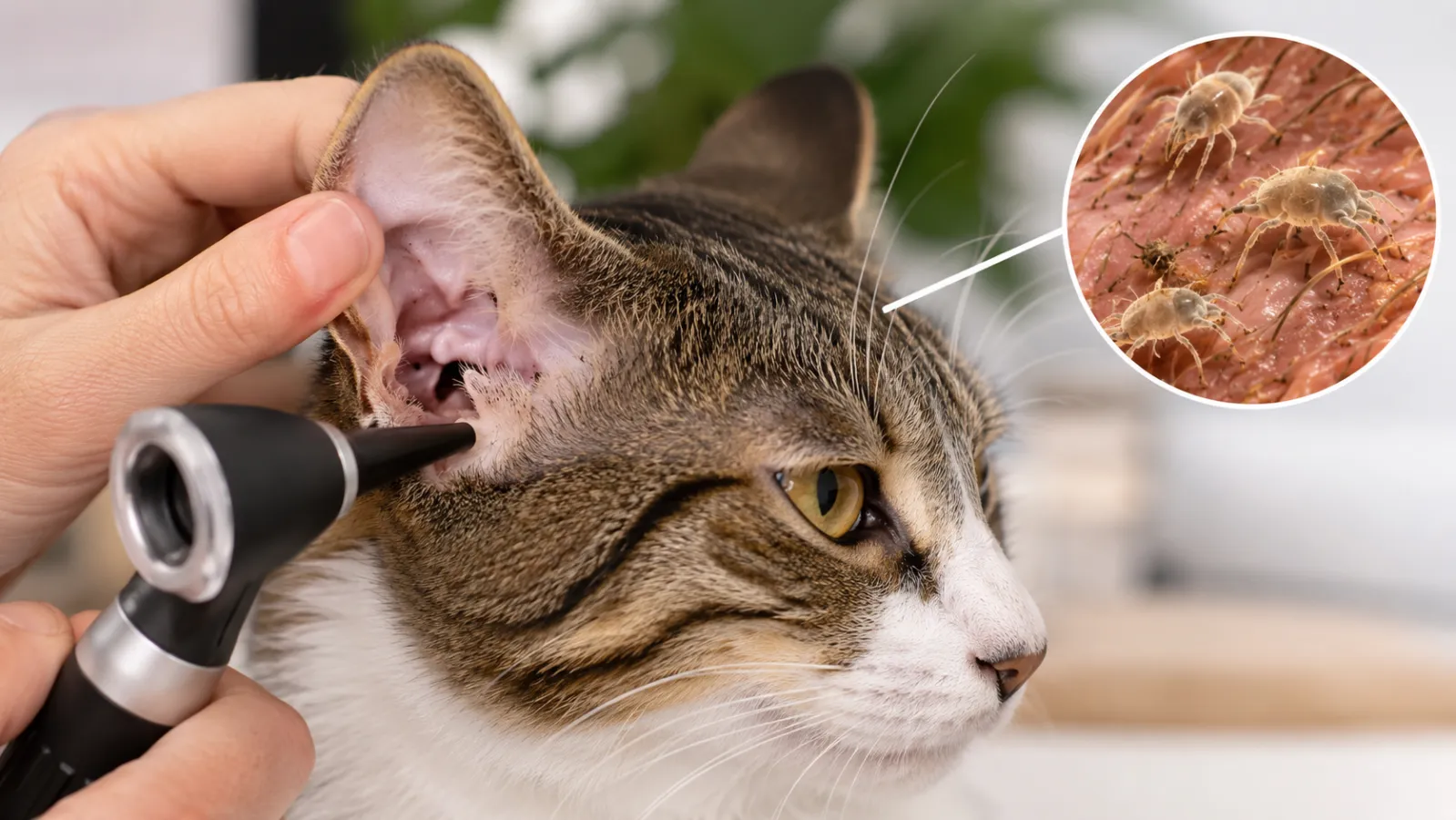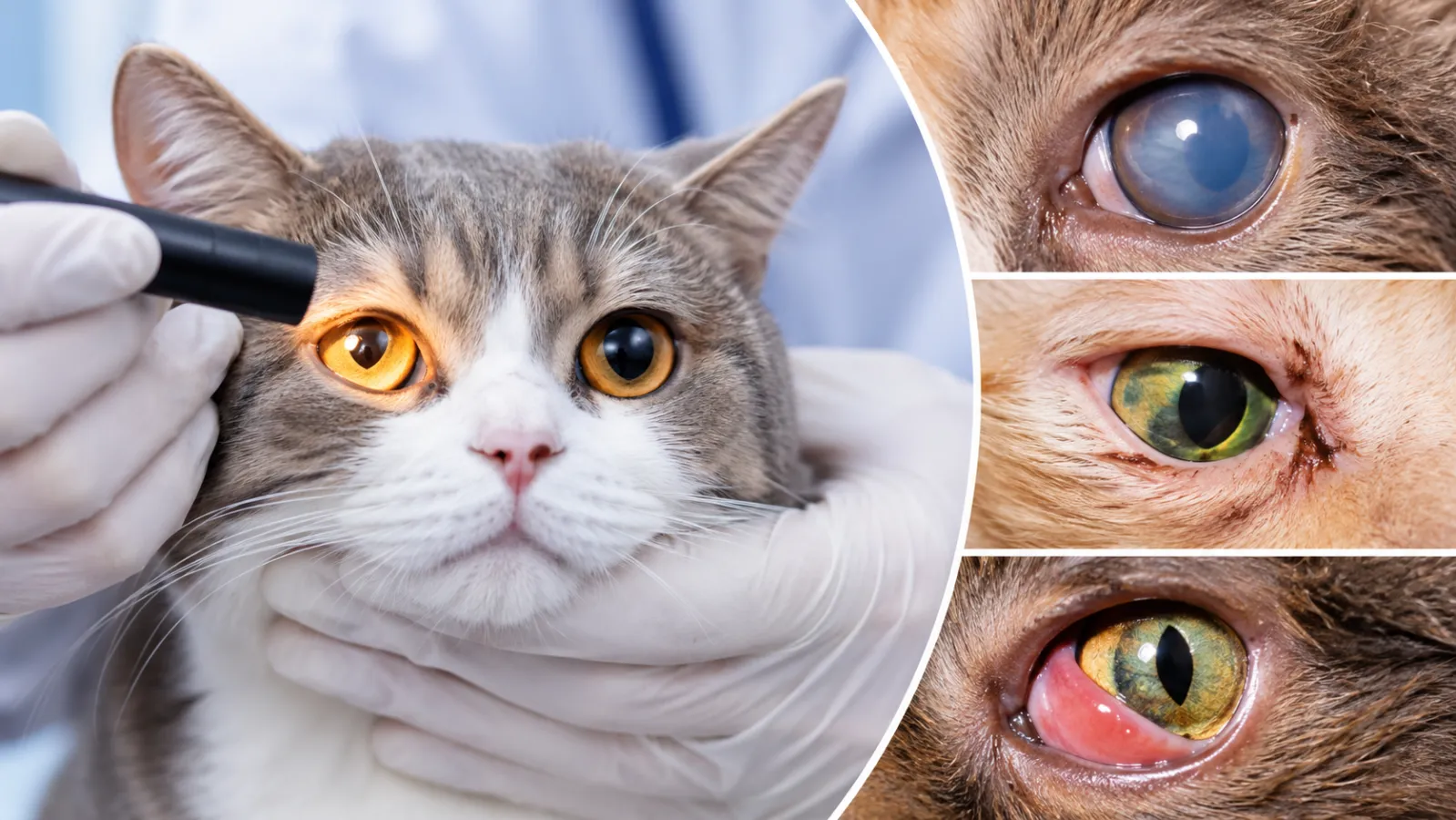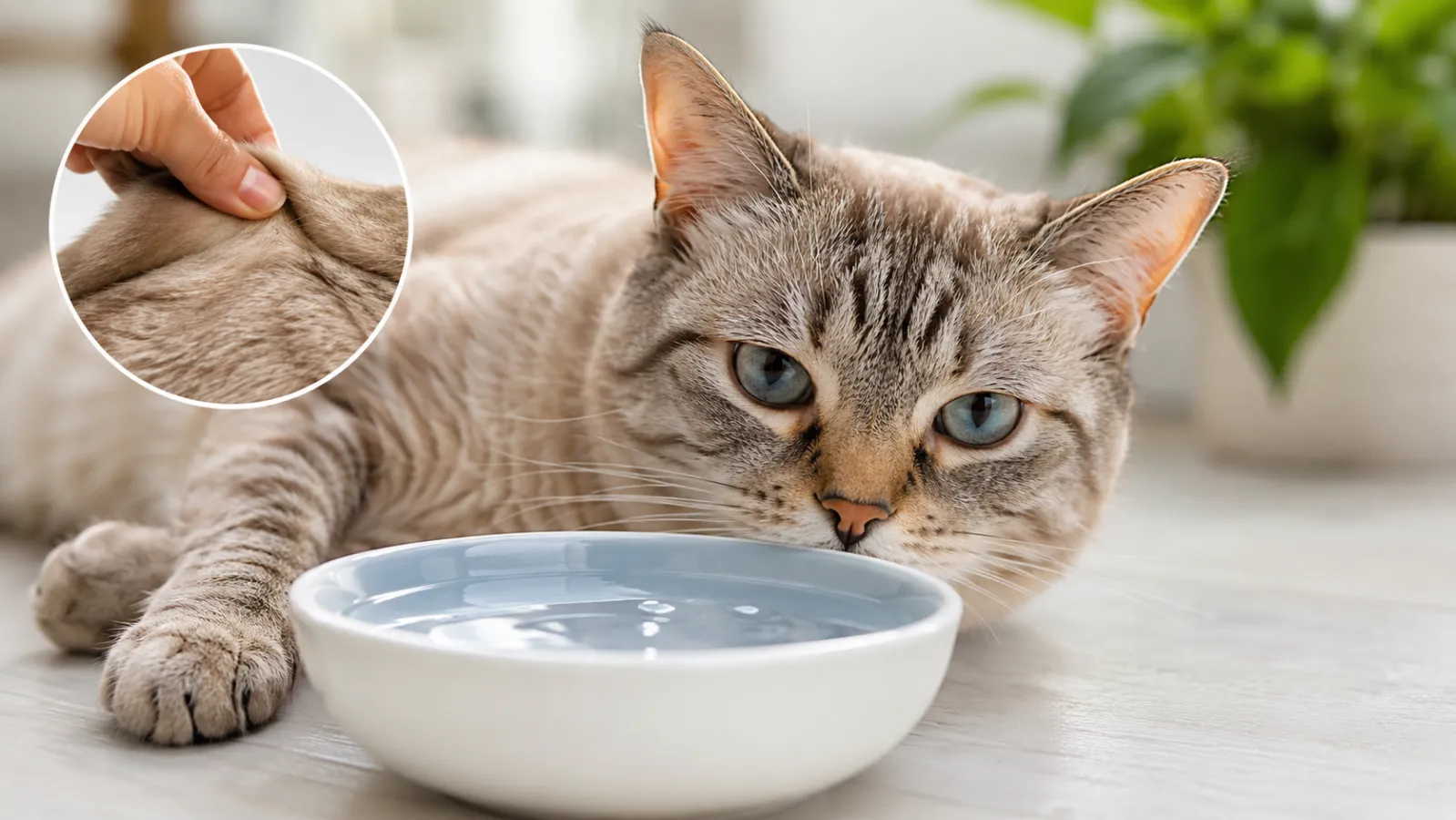
Cats can develop allergies just like people, and allergic reactions can affect their skin, digestion, ears, respiratory system, and overall comfort. While occasional itching or sneezing may not seem serious, repeated symptoms can indicate an underlying allergy or another health problem that needs veterinary attention.
Common allergy triggers in cats include certain foods, flea bites, pollen, dust, mold, and other environmental substances. Some cats may develop allergies to specific proteins, such as chicken, while others may react strongly to flea saliva after just one bite.
Understanding the symptoms and possible causes of cat allergies can help owners recognize problems earlier and work with a veterinarian to find an appropriate treatment plan.
Understanding Cat Allergies
An allergy occurs when a cat's immune system reacts excessively to a substance that is normally harmless. The immune response can cause inflammation and produce symptoms ranging from mild itching to significant skin irritation.
Cat allergies generally fall into several categories:
- Food allergies
- Flea allergies
- Environmental allergies
- Contact allergies
The symptoms can overlap, which is why identifying the exact cause can be challenging. A cat that constantly scratches, develops scabs, or experiences recurring ear problems may have an allergy, but infections, parasites, and other medical conditions can produce similar signs.
For this reason, persistent allergy-like symptoms should be evaluated by a veterinarian rather than treated solely at home.
Food Allergies in Cats
Food allergies occur when a cat's immune system reacts to a particular ingredient in its diet. Cats can potentially develop an allergy to almost any dietary protein or ingredient, although some foods are more commonly implicated than others.
Chicken, beef, fish, and dairy ingredients are among the foods that may be associated with food allergies in cats.
Interestingly, a cat can develop a food allergy even after eating the same food for years. Allergies are related to the immune response rather than simply how long a food has been consumed.
Symptoms of Food Allergies
Food allergies commonly affect the skin. A cat may develop:
- Persistent itching
- Excessive grooming
- Hair loss
- Red or irritated skin
- Scabs
- Small bumps or sores
- Recurring ear problems
Some cats can also develop gastrointestinal symptoms such as vomiting or diarrhea.
However, these symptoms can have many different causes. A veterinarian should rule out parasites, infections, inflammatory conditions, and other diseases before concluding that food is responsible.
Chicken Allergy in Cats
Chicken is a common ingredient in many commercial cat foods, which means cats can be exposed to it frequently. Some cats can develop an allergic reaction to chicken proteins.
A suspected chicken allergy may cause persistent itching, skin lesions, hair loss, or gastrointestinal problems. However, these symptoms alone cannot confirm a chicken allergy.
If a veterinarian suspects a food allergy, they may recommend a carefully controlled elimination diet. This can help determine whether removing the suspected ingredient leads to improvement.
It is important not to switch between multiple foods randomly because doing so can make it harder to identify the actual trigger.
Environmental Allergies
Environmental allergies occur when a cat reacts to substances in its surroundings. Potential triggers include pollen, mold, dust mites, household dust, and other airborne or environmental allergens.
Pollen can be particularly problematic during certain seasons. A cat may experience increased itching or skin irritation during periods when specific plants are producing pollen.
Environmental allergies can sometimes be difficult to distinguish from flea allergies or food allergies because the symptoms can look very similar.
Common Environmental Allergy Symptoms
A cat with environmental allergies may experience:
- Itchy skin
- Excessive licking
- Overgrooming
- Hair loss
- Redness
- Scabbing
- Recurrent skin infections
- Ear irritation
- Sneezing or respiratory symptoms in some cases
Not every itchy cat has an environmental allergy. Fleas, mites, bacterial infections, fungal infections, and other conditions must also be considered.
Flea Allergies in Cats
Flea allergy dermatitis is one of the most important allergic skin conditions in cats. It occurs when a cat has an allergic reaction to proteins in flea saliva.
A particularly important point is that a flea allergy can cause significant itching even when only a small number of fleas are present. You may not see fleas on your cat because cats groom themselves extensively.
Signs can include intense itching, biting at the skin, excessive grooming, hair loss, and small crusts or scabs, particularly around the neck, back, and tail area.
If flea allergy is suspected, controlling fleas on the affected cat and addressing flea exposure in the household environment are essential.
All pets in the household may need an appropriate flea-control program recommended by a veterinarian.
Common Symptoms of Cat Allergies
Allergy symptoms vary from cat to cat, but skin problems are among the most common signs.
Look for:
- Frequent scratching
- Excessive licking
- Biting at the skin
- Overgrooming
- Hair loss
- Red or irritated skin
- Scabs or crusts
- Recurrent ear problems
- Vomiting
- Diarrhea
- Sneezing
- Watery eyes
- Skin infections
Some cats develop a condition called feline allergic skin disease, which can appear in several different forms. Lesions may develop around the head, neck, abdomen, legs, or other areas.
Because allergy symptoms overlap with many other conditions, a proper diagnosis is important.
How Are Cat Allergies Diagnosed?
Diagnosing allergies in cats can take time. There is not always one simple test that immediately identifies the cause.
A veterinarian may begin by reviewing the cat's medical history and examining the skin, ears, coat, and overall condition.
They may ask questions about:
- Diet
- Treats
- Flea prevention
- Household environment
- Seasonal changes
- Previous skin infections
- Medication
- Grooming behavior
- Vomiting or diarrhea
- Other pets in the home
The veterinarian may also recommend tests to rule out parasites, infections, or other medical conditions.
For suspected food allergies, an elimination diet is often an important part of the diagnostic process.
Elimination Diets for Food Allergies
An elimination diet is a controlled feeding trial designed to determine whether a particular food ingredient is causing an allergic reaction.
The veterinarian may recommend feeding a diet containing either a novel protein that the cat has not previously consumed or a specially formulated hydrolyzed protein diet.
The cat must eat only the prescribed diet during the trial. This means avoiding unauthorized treats, table food, flavored medications, and other foods that could interfere with the results.
Improvement during the diet trial can provide useful information. In some cases, the veterinarian may then recommend reintroducing the original food or suspected ingredient to determine whether symptoms return.
Because food trials need to be carefully controlled, owners should follow veterinary instructions closely.
Hypoallergenic Diets
Hypoallergenic diets are specially formulated to reduce the likelihood of triggering an allergic response. Some contain hydrolyzed proteins, while others use carefully selected protein sources.
These diets can be useful for cats with suspected or confirmed food allergies, but choosing the right product depends on the individual cat.
A regular "limited ingredient" food purchased without veterinary guidance is not automatically a reliable diagnostic diet. Cross-contact with other ingredients can also complicate food trials.
If you suspect a food allergy, speak with your veterinarian before making major dietary changes.
Treatment for Cat Allergies
Treatment depends on the underlying cause.
For flea allergies, the primary goal is effective flea control. This may involve veterinary-approved flea prevention for the affected cat and other animals in the household, along with environmental management.
For food allergies, avoiding the offending ingredient is generally the key approach once the trigger has been identified.
Environmental allergies can be more complicated because completely removing pollen, dust, or other environmental allergens may not be possible.
Veterinarians may recommend treatments designed to reduce itching and inflammation, manage secondary infections, or improve skin health. The appropriate treatment depends on the cat's symptoms, medical history, age, and overall health.
Never give your cat human allergy medication without veterinary guidance. Some medications or dosages that are relatively safe for people can be harmful to cats.
Managing Secondary Skin Infections
Cats with allergies may damage their skin through repeated scratching, licking, or biting. This can create opportunities for bacterial or fungal infections.
Signs of a possible secondary infection include:
- Increasing redness
- Swelling
- Discharge
- Crusts
- Unpleasant odor
- Pain
- Worsening skin lesions
A veterinarian may recommend appropriate medication if an infection is present.
Treating the infection alone may provide temporary improvement, but the underlying allergy also needs to be addressed to reduce the likelihood of recurrence.
Preventing Flea-Related Allergies
Flea prevention is one of the most effective ways to reduce flea allergy problems.
Cats should receive flea-control products appropriate for their species, age, weight, and health status. Some flea products designed for dogs can be dangerous to cats, so products should never be used interchangeably without veterinary approval.
Prevention is generally more effective than waiting until a flea infestation becomes severe.
If fleas are already present, treating the environment may also be necessary because flea eggs and immature stages can remain in areas where pets spend time.
Regularly washing bedding, vacuuming frequently, and following professional recommendations can help reduce environmental flea exposure.
Reducing Environmental Allergy Triggers
You may not be able to eliminate every environmental allergen, but reducing exposure can sometimes help.
Practical measures include:
- Vacuuming regularly
- Washing pet bedding
- Keeping litter areas clean
- Reducing household dust
- Addressing moisture and mold problems
- Using appropriate air filtration
- Keeping outdoor allergens from accumulating indoors
If pollen appears to trigger seasonal symptoms, keeping windows closed during periods of high outdoor pollen may help reduce exposure.
However, environmental changes should complement veterinary care rather than replace it.
When Should You See a Veterinarian?
A cat with occasional mild symptoms may not have a serious condition, but persistent or worsening symptoms deserve professional evaluation.
Contact your veterinarian if your cat has:
- Persistent itching
- Significant hair loss
- Repeated skin infections
- Open wounds
- Severe ear irritation
- Frequent vomiting or diarrhea
- Major changes in appetite
- Weight loss
- Severe discomfort
- Recurring symptoms despite treatment
Seek urgent veterinary care if your cat develops difficulty breathing, facial swelling, collapse, or another severe reaction.
Allergic reactions can occasionally become serious, so sudden severe symptoms should never be ignored.
Creating a Long-Term Allergy Management Plan
Managing allergies is often an ongoing process rather than a one-time treatment.
Keep track of when symptoms occur and what changes happen around the same time. For example, record changes in food, flea prevention, household products, seasons, outdoor exposure, or medication.
A simple record can help you and your veterinarian identify patterns.
It is also important to follow the treatment plan consistently. Stopping medication or flea prevention as soon as symptoms improve may allow the problem to return.
Regular veterinary follow-ups can help determine whether the treatment remains appropriate.
Final Thoughts
Cat allergies can be frustrating because symptoms often overlap with other skin, digestive, and respiratory problems. Food ingredients such as chicken, environmental triggers such as pollen, and flea bites can all contribute to allergic reactions in susceptible cats.
The most important step is identifying the underlying cause rather than simply treating the itching. Veterinary examination, appropriate testing, flea control, elimination diets, and carefully selected treatments can help manage allergic disease effectively.
If your cat is repeatedly scratching, overgrooming, losing hair, developing skin lesions, vomiting, or showing other unusual symptoms, do not assume the problem will disappear on its own. A veterinarian can help determine whether an allergy is responsible and develop an appropriate treatment plan.
With consistent prevention, proper nutrition, veterinary guidance, and attention to environmental triggers, many cats with allergies can live comfortable and happy lives.