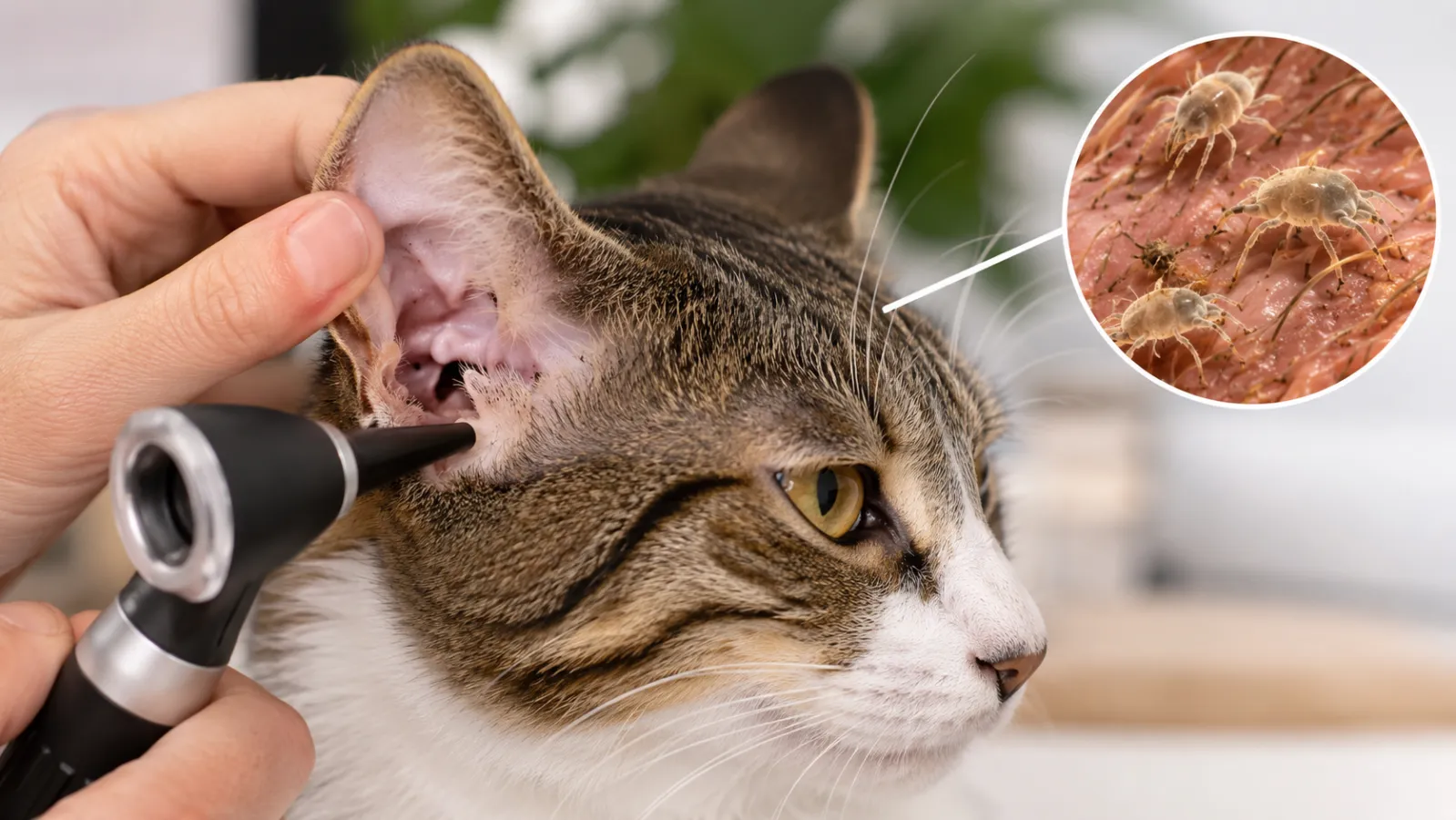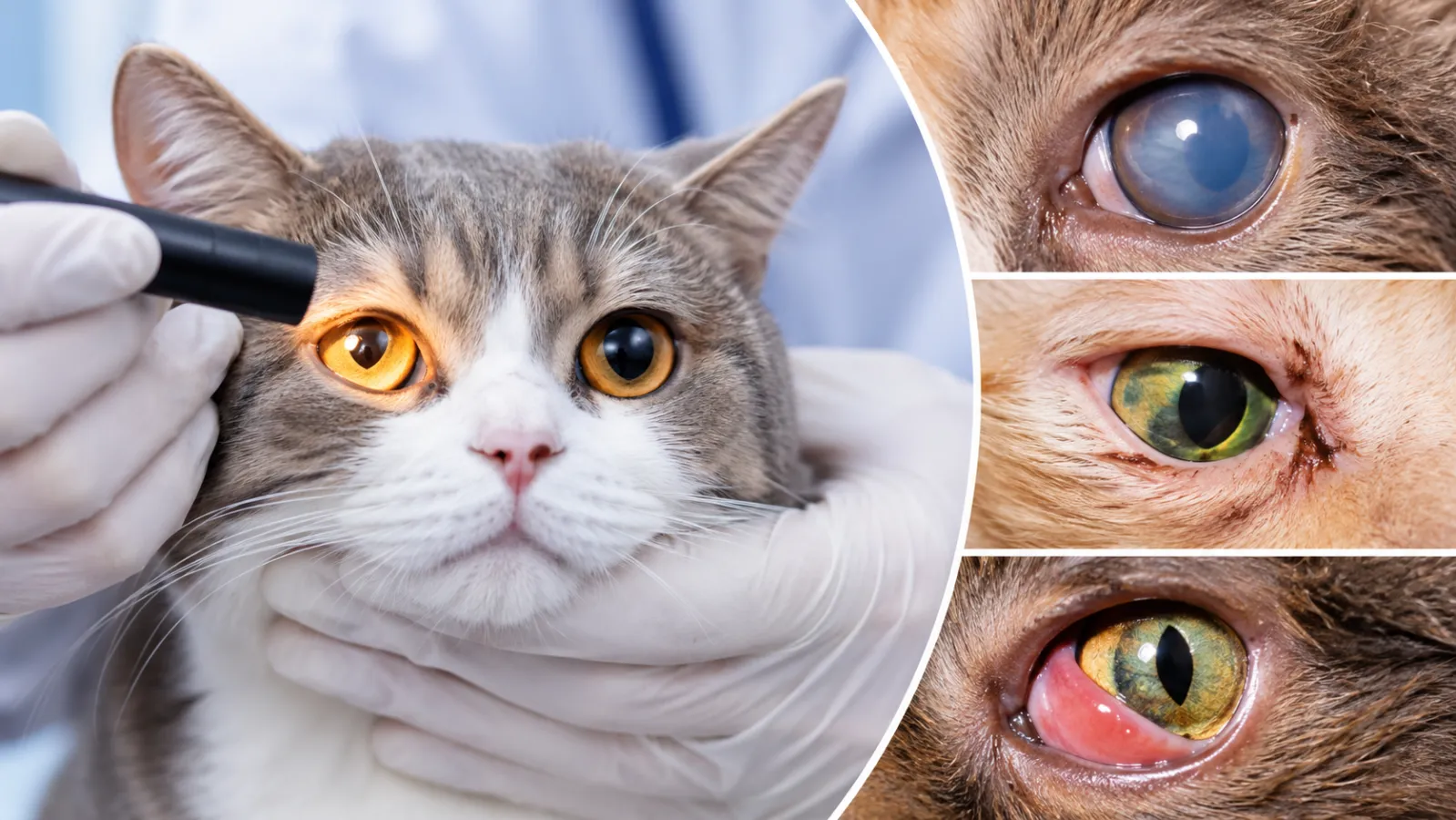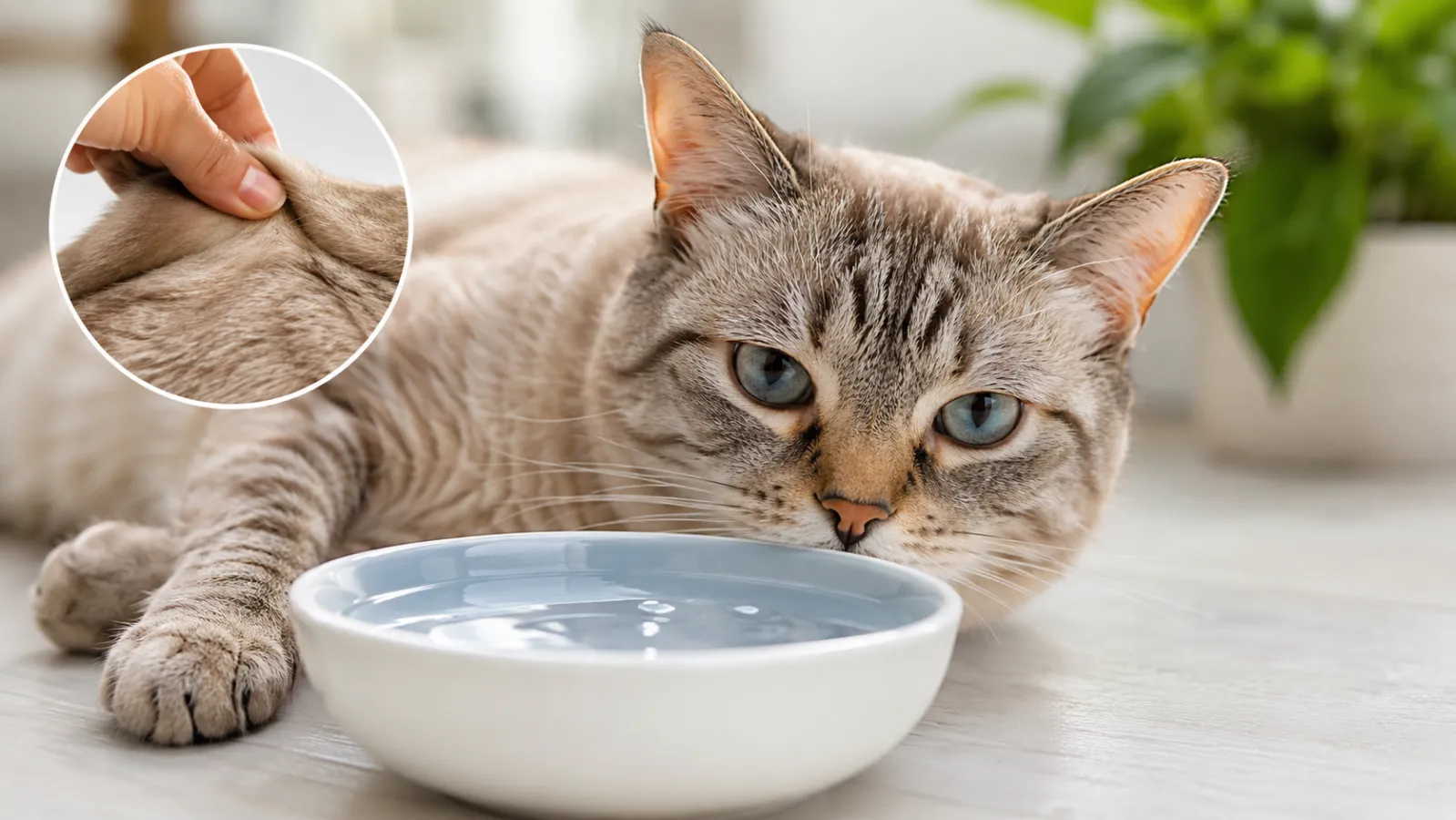
A cat’s skin and coat can tell you a great deal about its overall health. When a cat develops excessive scratching, bald patches, scabs, redness, dandruff, or a dull coat, the problem may be more than a simple grooming issue. Skin conditions are relatively common in cats, and several different diseases can produce very similar symptoms. Cornell University College of Veterinary Medicine notes that feline skin disease can have many causes, including parasites, allergies, infections, and inflammatory conditions.
For cat owners across North America, understanding the most common skin problems can make it easier to recognize changes early and seek appropriate veterinary care. Some conditions are mild and manageable, while others require prescription medication, diagnostic testing, or treatment of the cat’s environment.
This guide explains common skin problems in cats, what may cause them, how veterinarians diagnose them, available treatment options, and practical ways to help prevent them.
1. Allergies in Cats
Allergies are a common reason cats develop itchy or inflamed skin. A cat can react to substances in food, the environment, or insect bites. Environmental allergens may include pollen, molds, dust mites, and other substances, while food allergies can develop in response to particular ingredients.
Signs of an allergic skin reaction can include:
- Excessive licking or grooming
- Scratching
- Red or irritated skin
- Small scabs
- Hair loss
- Crusty patches
- Inflamed areas around the head and neck
- Recurrent skin infections
Cats often groom themselves so thoroughly that owners may not notice the original irritation. Instead, they may first notice thinning hair or bald patches.
Food allergies can cause persistent itching that does not follow a clear seasonal pattern. Environmental allergies, on the other hand, may become more noticeable during certain times of the year. However, symptoms alone cannot reliably identify the specific allergy. Veterinarians generally need to rule out other causes first.
How Are Cat Allergies Treated?
Treatment depends on the underlying trigger. A veterinarian may recommend parasite control, a carefully managed elimination diet, medication to control itching or inflammation, or treatment for secondary infections.
If a food allergy is suspected, the veterinarian may recommend a structured elimination diet using a veterinary-approved diet. The diet needs to be followed carefully because even small dietary changes can interfere with the diagnostic process.
For environmental allergies, long-term management may involve reducing exposure to known triggers and using veterinarian-prescribed medications. Some cats may also benefit from allergen-specific immunotherapy.
The important point is that treating the itching alone is not always enough. The underlying cause needs to be identified and managed.
2. Flea Allergy Dermatitis
Flea allergy dermatitis is one of the most important skin conditions for cat owners to understand. It occurs when a cat develops an allergic reaction to proteins in flea saliva.
A particularly frustrating aspect of flea allergy dermatitis is that you may never see a flea on your cat. Cats are excellent groomers and can remove evidence of fleas quickly. In highly sensitive cats, even a single flea bite can trigger significant itching.
Common signs include:
- Intense itching
- Excessive grooming
- Hair loss around the tail base
- Hair loss on the legs or body
- Small scabs around the neck and head
- Red or irritated skin
- Recurrent skin infections
Cats with flea allergy dermatitis may develop a pattern called miliary dermatitis, where numerous tiny crusts or bumps appear on the skin.
How Is Flea Allergy Treated?
The most important step is effective flea control. Treatment may need to include the affected cat, other pets in the household, and the environment. Your veterinarian can recommend a flea-prevention product appropriate for your cat's age, weight, health status, and lifestyle.
Simply treating the visible fleas may not be enough because flea eggs and other stages can remain in the environment. Regular cleaning of bedding and areas where pets spend time can be an important part of controlling an infestation.
Never use a flea product intended for dogs on a cat unless a veterinarian specifically confirms that it is safe. Some ingredients that are appropriate for dogs can be dangerous to cats.
3. Ringworm
Despite its name, ringworm is not caused by a worm. It is a fungal infection affecting the skin, hair, or claws.
Ringworm is especially important because it can spread between animals and people. In cats, most cases are associated with the dermatophyte Microsporum canis.
Typical signs can include:
- Circular or irregular bald patches
- Broken hairs
- Scaling
- Crusting
- Red or irritated skin
- Lesions around the face, ears, feet, or tail
However, ringworm does not always have a classic circular appearance. Some cats can develop more generalized skin irritation, making it difficult to distinguish from allergies or other skin diseases.
How Is Ringworm Treated?
Veterinarians may use several diagnostic methods, including examination of hairs and skin, an ultraviolet lamp, and fungal culture. Fungal culture can take time but may provide important confirmation.
Treatment can involve topical antifungal products, medicated shampoos, dips, or oral antifungal medication. Cats with widespread infections may require systemic treatment.
Environmental cleaning is also important because fungal spores can contaminate bedding, grooming equipment, furniture, and other surfaces. Because ringworm can affect humans, households should follow their veterinarian's recommendations for hygiene and preventing transmission.
If you suspect ringworm, avoid sharing grooming tools, bedding, or other items between affected and unaffected pets until your veterinarian provides guidance.
4. Dry Skin and Dandruff
Dry, flaky skin can occur for several reasons. Seasonal changes, low indoor humidity, nutritional problems, parasites, allergies, underlying disease, and difficulty grooming can all contribute to changes in the skin and coat.
This can be particularly noticeable during colder months when indoor heating reduces humidity. Some cats may develop visible flakes or a dull coat, while others may have excessive shedding or matting.
A dry coat should not automatically be treated with a moisturizing product. It is important to determine why the skin has become dry.
Cats with obesity, arthritis, or other mobility problems may have difficulty grooming certain areas of their bodies. As a result, owners may notice dandruff, mats, or an unkempt coat.
How Can Dry Skin Be Managed?
Start with basic care:
- Feed a complete and balanced cat food.
- Provide fresh water every day.
- Brush the coat regularly when appropriate for the cat.
- Maintain comfortable indoor humidity.
- Control fleas and other external parasites.
- Ask your veterinarian about persistent dandruff or coat changes.
Nutrition can also affect skin and coat quality. Omega-3 fatty acids such as EPA and DHA may support healthy skin and help moderate inflammation in some cats. However, supplements should be discussed with a veterinarian because the correct product and amount depend on the individual cat.
5. Hot Spots
Hot spots, sometimes called acute moist dermatitis, are painful, irritated areas that can develop when a cat repeatedly scratches, licks, bites, or chews its skin.
Although hot spots are discussed more frequently in dogs, cats can develop them too. They may appear as moist, red, inflamed areas and can become infected. Dense fur can trap moisture and make the affected area difficult for owners to see.
Possible triggers include:
- Flea bites
- Allergies
- Insect irritation
- Skin infections
- Trauma
- Excessive grooming
- Pain in another area of the body
- Stress-related overgrooming
A hot spot can become significantly worse when a cat continues licking or chewing the area.
How Are Hot Spots Treated?
Veterinary treatment may involve carefully clipping the surrounding fur, cleaning the affected area, and identifying the underlying cause. Depending on the condition, the veterinarian may recommend topical medication, antibiotics for bacterial infection, parasite control, anti-inflammatory treatment, or other therapies.
Do not apply human creams, essential oils, disinfectants, or other household products to a cat's skin unless your veterinarian specifically recommends them. Cats can lick topical substances from their fur, and some ingredients that are safe for humans may not be safe for cats.
6. Hair Loss
Hair loss, or alopecia, is a symptom rather than a specific disease. A cat can lose hair because of allergies, fleas, fungal infections, parasites, infections, excessive grooming, stress, pain, nutritional problems, or other medical conditions.
One of the biggest clues is whether the cat is losing hair naturally or removing it through licking and chewing.
A cat that repeatedly licks one area may create a bald patch even though the hair follicles themselves are initially normal. Allergies and parasites can trigger this behavior, while pain or stress can also contribute to excessive grooming.
Hair loss accompanied by redness, scabs, sores, or intense itching deserves veterinary attention.
A sudden bald patch should not simply be assumed to be caused by stress. Many physical conditions can cause excessive grooming, so identifying the underlying problem is important.
7. Skin Infections
Skin infections can develop as primary problems or as secondary complications of another condition.
For example, a cat with allergies may scratch continuously and damage its skin. The damaged skin can then become infected. This creates a cycle in which inflammation causes itching, itching causes skin damage, and skin damage promotes further inflammation or infection.
Possible signs of infection include:
- Redness
- Swelling
- Pus or discharge
- Crusting
- Unpleasant odor
- Pain
- Moist lesions
- Increased scratching
- Worsening hair loss
Treatment depends on the organism involved. A veterinarian may use skin cytology, cultures, or other diagnostic methods before choosing medication.
Antibiotics and antifungal medications should not be given without veterinary guidance. Using the wrong treatment can delay proper diagnosis and may make some problems harder to manage.
8. How Veterinarians Diagnose Skin Problems in Cats
Because different skin conditions can look very similar, veterinary diagnosis is often more complicated than simply looking at a bald patch or rash.
A veterinarian will usually begin by asking questions about:
- When the problem started
- Whether it is seasonal
- Indoor or outdoor lifestyle
- Flea prevention
- Diet
- Recent changes at home
- Other pets in the household
- Previous skin problems
- Medications and supplements
- Grooming behavior
The veterinarian will then examine the skin and coat closely.
Depending on the findings, diagnostic tests may include:
- Flea combing
- Skin scrapings
- Skin cytology
- Fungal testing or culture
- Examination of hair samples
- Allergy-related testing
- Blood tests
- Dietary elimination trials
- Biopsy in selected cases
Cornell notes that the pattern and location of skin abnormalities can provide important clues, but diagnostic testing may be necessary to identify the underlying cause.
This is why treating a cat based only on photographs or general online advice can be risky. The same symptom may have several completely different causes.
9. Common Treatment Options
Once the cause has been identified, treatment can be much more targeted.
Depending on the diagnosis, your veterinarian may recommend:
Flea and parasite control
Appropriate parasite prevention is essential for cats with flea-related skin problems. In households with multiple pets, every animal may need an appropriate prevention plan.
Medicated shampoos
Veterinary-prescribed or veterinarian-approved shampoos may help manage certain fungal, bacterial, inflammatory, or seborrheic skin conditions. Cats should only be bathed when appropriate because excessive bathing can irritate the skin.
Antifungal medication
Ringworm may require topical and/or oral antifungal treatment, depending on its severity and distribution. Environmental management is also important.
Antibiotics
Bacterial infections may require prescription antibiotics. The choice and duration depend on the type and severity of infection.
Anti-itch and anti-inflammatory treatment
Veterinarians may prescribe medications to reduce inflammation and itching. The correct medication depends on the underlying condition and the cat's overall health.
Dietary management
For suspected food allergies, a veterinarian may recommend a carefully controlled elimination diet. Nutritional support may also be used to help maintain healthy skin and coat.
Omega-3 supplements
Omega-3 fatty acids may provide supportive benefits for some cats with inflammatory skin conditions or poor coat quality. They are not a substitute for treating fleas, infections, allergies, or other underlying diseases. Your veterinarian should help determine whether supplementation is appropriate.
10. Preventing Skin Problems in Cats
Not every skin condition can be prevented, but consistent preventive care can reduce many common risks.
Maintain year-round parasite prevention
Fleas can affect indoor cats as well as outdoor cats. Ask your veterinarian about a preventive program suitable for your cat.
Check the coat regularly
During normal grooming or petting, look for:
- New bald patches
- Scabs
- Fleas or flea dirt
- Redness
- Lumps
- Crusts
- Excessive dandruff
- Skin wounds
Early detection can make treatment easier.
Provide good nutrition
A complete and balanced diet provides the nutrients required for healthy skin and hair. Avoid adding supplements without veterinary advice, particularly if your cat already eats a nutritionally complete diet.
Keep grooming tools clean
Regularly clean brushes, combs, bedding, and other grooming equipment. This is especially important if a cat has a contagious fungal infection.
Reduce unnecessary stress
Stress can contribute to excessive grooming in some cats. Providing predictable routines, safe resting spaces, enrichment, and appropriate environmental stimulation may help.
Attend regular veterinary examinations
Routine veterinary care can identify medical conditions before they become severe. Cats are particularly good at hiding discomfort, so changes in grooming, coat quality, or behavior can sometimes be an early indication that something is wrong.
When Should You Take Your Cat to the Veterinarian?
A small amount of normal shedding is usually not concerning, but persistent or worsening skin changes should not be ignored.
Arrange a veterinary examination if your cat develops:
- Sudden or extensive hair loss
- Persistent scratching
- Repeated licking or chewing
- Open sores
- Bleeding
- Pus or discharge
- Severe redness or swelling
- Painful skin
- Widespread scabs
- A suspected fungal infection
- Recurrent skin infections
- Significant changes in the coat
- A skin problem that does not improve
If your cat is actively damaging its skin, develops deep wounds, seems painful, or becomes unwell, prompt veterinary care is particularly important.
Final Thoughts
Common skin problems in cats can range from relatively simple issues such as mild dryness to contagious infections and chronic allergies requiring long-term management. Flea allergy dermatitis, ringworm, allergies, dry skin, hot spots, hair loss, and secondary infections can all produce overlapping symptoms, which makes accurate diagnosis especially important.
The best approach is not simply to treat what you can see. A bald patch, scab, or itchy area is often a sign of an underlying problem. Veterinary examination can help determine whether the cause is a parasite, allergy, infection, nutritional issue, environmental factor, or another medical condition.
For North American cat owners, year-round parasite prevention, regular coat checks, good nutrition, appropriate grooming, and routine veterinary care are practical foundations for healthy skin.
Most importantly, avoid using human medications, essential oils, or unapproved skin treatments on your cat without veterinary advice. The right treatment depends on the cause, and what helps one skin condition may be ineffective or harmful for another.
With early attention, proper veterinary diagnosis, and a consistent treatment plan, many feline skin problems can be successfully managed, helping your cat maintain a healthy coat and a comfortable quality of life.