Introduction
Training a kitten may seem difficult at first, but small daily habits can create lasting results. Good kitten training tips help owners teach kittens how to behave safely and calmly at home. Early training is important because kittens learn quickly during their first few months.
Simple methods like positive reinforcement, consistent routines, and gentle correction work better than punishment. These techniques help kittens understand boundaries without fear. Whether you are a parent, teacher, or first-time pet owner, learning practical kitten training methods can make daily life easier and more enjoyable for both you and your pet.
Section 1: What Are Kitten Training Tips and Why Do They Matter?
Kitten training tips are simple strategies that teach kittens positive behaviors. Training includes litter box use, scratching habits, feeding routines, social skills, and responding to basic commands.
Kittens are naturally curious and active. Without training, they may scratch furniture, bite during play, or develop poor habits. Early guidance helps kittens feel safe and understand what behavior is expected.
Training also improves communication between humans and pets. A well-trained kitten is easier to manage and more confident around people and other animals.
Why Early Training Is Important
- Builds trust between kitten and owner
- Prevents unwanted behavior
- Encourages healthy social skills
- Reduces stress at home
- Helps kittens adjust to routines faster
Consistent training during the early months creates better long-term behavior.
Section 2: Easy Kitten Training Tips That Actually Work
1. Start Training Early
Kittens learn best between 8 and 16 weeks of age. Begin teaching simple habits as soon as the kitten arrives home.
Focus on:
- Litter box habits
- Safe play behavior
- Feeding schedules
- Sleeping areas
Short daily sessions work best.
2. Use Positive Reinforcement
Positive reinforcement means rewarding good behavior instead of punishing mistakes.
Rewards can include:
- Small treats
- Gentle praise
- Petting
- Playtime
For example, reward your kitten immediately after using the litter box correctly.
3. Keep a Consistent Routine
Kittens feel safer with routines. Feed, play, and train at similar times each day.
A stable schedule helps kittens:
- Learn faster
- Feel calm
- Avoid confusion
- Sleep better
Consistency is one of the most effective kitten behavior training methods.
4. Teach Proper Scratching Habits
Scratching is natural for kittens. Instead of stopping the behavior completely, redirect it.
Use:
- Scratching posts
- Cardboard scratchers
- Cat trees
Place scratching tools near furniture the kitten targets. Reward the kitten when it uses the correct surface.
5. Stop Biting and Rough Play Early
Kittens often bite during play. This behavior should be corrected gently before it becomes a habit.
If biting happens:
- Stop playing immediately
- Avoid yelling
- Redirect attention to a toy
- Reward calm behavior
This teaches kittens that biting ends playtime.
6. Train the Litter Box Correctly
Litter training is usually simple if done early.
Helpful litter box training tips:
- Keep the box clean
- Place it in a quiet area
- Use low-sided boxes for young kittens
- Show the kitten the box after meals and naps
Most kittens learn quickly with patience and repetition.
7. Socialize Your Kitten
Socialization teaches kittens to feel comfortable around people, sounds, and environments.
Expose kittens slowly to:
- Different family members
- Household sounds
- Gentle handling
- Safe visitors
Early socialization reduces fear and anxiety later in life.
8. Use Simple Commands
Kittens can learn basic commands like:
- Come
- Sit
- No
Use short words and reward successful responses immediately.
Training sessions should stay short, around 5–10 minutes.
Section 3: Real-World Examples of Kitten Training
Example 1: Teaching a Kitten to Use a Scratching Post
A family noticed their kitten scratching the sofa daily. They placed a scratching post beside the couch and rewarded the kitten every time it used the post. Within two weeks, the scratching behavior improved significantly.
Example 2: Stopping Play Biting
A young kitten frequently bit hands during playtime. The owner stopped interaction each time biting occurred and replaced hands with toys. After several consistent training sessions, the kitten became gentler during play.
Example 3: Successful Litter Box Training
A first-time pet owner kept the litter box in a quiet bathroom and cleaned it daily. The kitten learned proper litter habits within a few days because the environment remained calm and consistent.
Section 4: Benefits of Training Your Kitten
Proper kitten training creates positive long-term results for both pets and owners.
Key Benefits
- Better behavior at home
- Reduced scratching and biting
- Easier daily routines
- Improved safety for the kitten
- Stronger emotional bond
- Lower stress for families
- Better social interaction with people and pets
Training also supports the kitten’s mental development and confidence.
Section 5: Common Kitten Training Mistakes
1. Using Punishment
Yelling or physical punishment can create fear and anxiety. Positive reinforcement works better and builds trust.
2. Being Inconsistent
Changing rules daily confuses kittens. Everyone in the household should follow the same training methods.
3. Expecting Fast Results
Training takes time. Some kittens learn quickly, while others need more repetition.
4. Ignoring Good Behavior
Owners often focus only on mistakes. Rewarding positive actions helps kittens understand what is correct.
5. Long Training Sessions
Kittens have short attention spans. Keep sessions brief and engaging.
Section 6: Useful Tools and Practical Training Methods
The right tools can make kitten training easier and more effective.
Helpful Training Tools
- Scratching posts
- Interactive cat toys
- Treat pouches
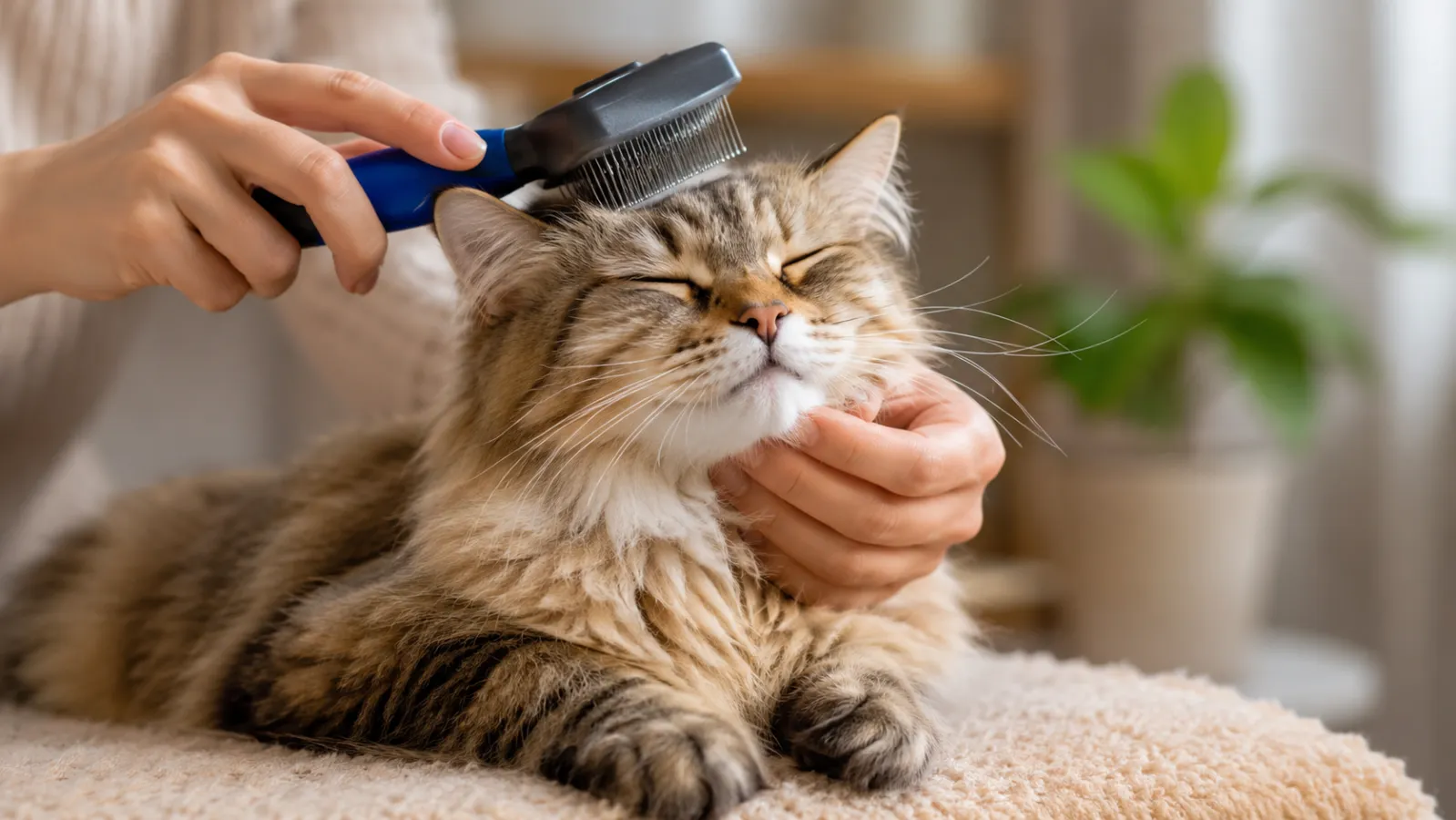
- Soft brushes
- Cat tunnels
- Clickers for reward-based training
Simple Training Framework
Observe
Watch your kitten’s behavior patterns carefully.
Redirect
Guide unwanted behavior toward positive alternatives.
Reward
Praise or reward correct behavior immediately.
Repeat
Consistency builds long-term habits.
AI Tools for Pet Care Support
Modern AI pet apps can help owners:
- Track feeding schedules
- Monitor behavior changes
- Set training reminders
- Organize veterinary records
These tools support busy families and first-time pet owners.
Key Takeaways
- Kitten training should begin early for best results
- Positive reinforcement is more effective than punishment
- Consistent routines help kittens learn faster
- Scratching and biting can be redirected safely
- Socialization improves confidence and behavior
- Short daily training sessions work best
- Patience and repetition are essential for success
FAQ Section
What is the best age to start kitten training?
The best time to start training is between 8 and 16 weeks old because kittens learn quickly during this stage.
How do I stop my kitten from biting?
Stop play immediately when biting happens and redirect attention to toys instead of hands.
How long does litter box training take?
Most kittens learn litter box habits within a few days if the box stays clean and accessible.
Can kittens learn commands?
Yes. Kittens can learn simple commands like “come,” “sit,” and “no” using rewards and repetition.
Should I punish my kitten for bad behavior?
No. Punishment can create fear. Positive reinforcement is safer and more effective.
How often should I train my kitten?
Short sessions of 5–10 minutes several times daily work best for young kittens.
Conclusion
Training a kitten does not need to be difficult. Simple routines, patience, and positive reinforcement can create strong habits that last for years. These easy kitten training tips help reduce unwanted behavior while building trust and confidence.
Start small, stay consistent, and celebrate progress. With the right approach, your kitten can grow into a calm, healthy, and well-behaved companion.