Introduction
Training a puppy can feel challenging at first, especially for busy families, teachers, and parents who already manage many responsibilities. The good news is that simple and consistent puppy training tips can make a big difference in a short time. Puppies learn quickly during their early months, which makes this the best time to build positive habits.
Good training helps puppies understand rules, communicate better, and feel safe in their environment. It also reduces unwanted behaviors like biting, barking, jumping, and chewing. With the right approach, training becomes easier and more enjoyable for both the puppy and the owner.
This guide explains practical puppy training methods that actually work in real life.
What Are Puppy Training Tips and Why Are They Important?
Puppy training tips are practical techniques used to teach puppies good behavior, obedience, and social skills. Training starts as soon as the puppy arrives home. Early lessons help puppies understand what is allowed and what is not.
Training is important because puppies are naturally curious and energetic. Without guidance, they may develop habits that become difficult to change later.
Why Puppy Training Matters
- Builds trust between the puppy and owner
- Helps puppies feel secure and confident
- Prevents destructive behavior
- Improves safety inside and outside the home
- Makes daily life easier for families
A trained puppy is usually calmer, friendlier, and easier to manage around children, guests, and other pets.
Easy Puppy Training Tips That Work
1. Start Training Early
The best time to begin training is when the puppy is between 8 and 16 weeks old. Puppies learn quickly during this stage.
Keep sessions short and simple. Five to ten minutes is enough for young puppies.
2. Use Positive Reinforcement
Positive reinforcement means rewarding good behavior instead of punishing mistakes.
Rewards can include:
- Small treats
- Praise
- Toys
- Gentle petting
When puppies connect good behavior with rewards, they repeat the behavior more often.
3. Be Consistent With Commands
Use the same words every time.
For example:
- “Sit”
- “Stay”
- “Come”
- “Down”
Changing commands can confuse the puppy. Everyone in the family should use the same words.
4. Create a Daily Routine
Puppies learn faster with routines.
A simple routine should include:
- Feeding times
- Bathroom breaks
- Play sessions
- Training practice
- Sleep time
Routine helps puppies feel secure and reduces accidents indoors.
5. Focus on Potty Training
Take the puppy outside:
- After eating
- After sleeping
- After playtime
- Every few hours
Praise the puppy immediately after successful bathroom behavior outdoors.
Avoid punishment for accidents. Clean the area properly and continue training patiently.
6. Teach Social Skills Early
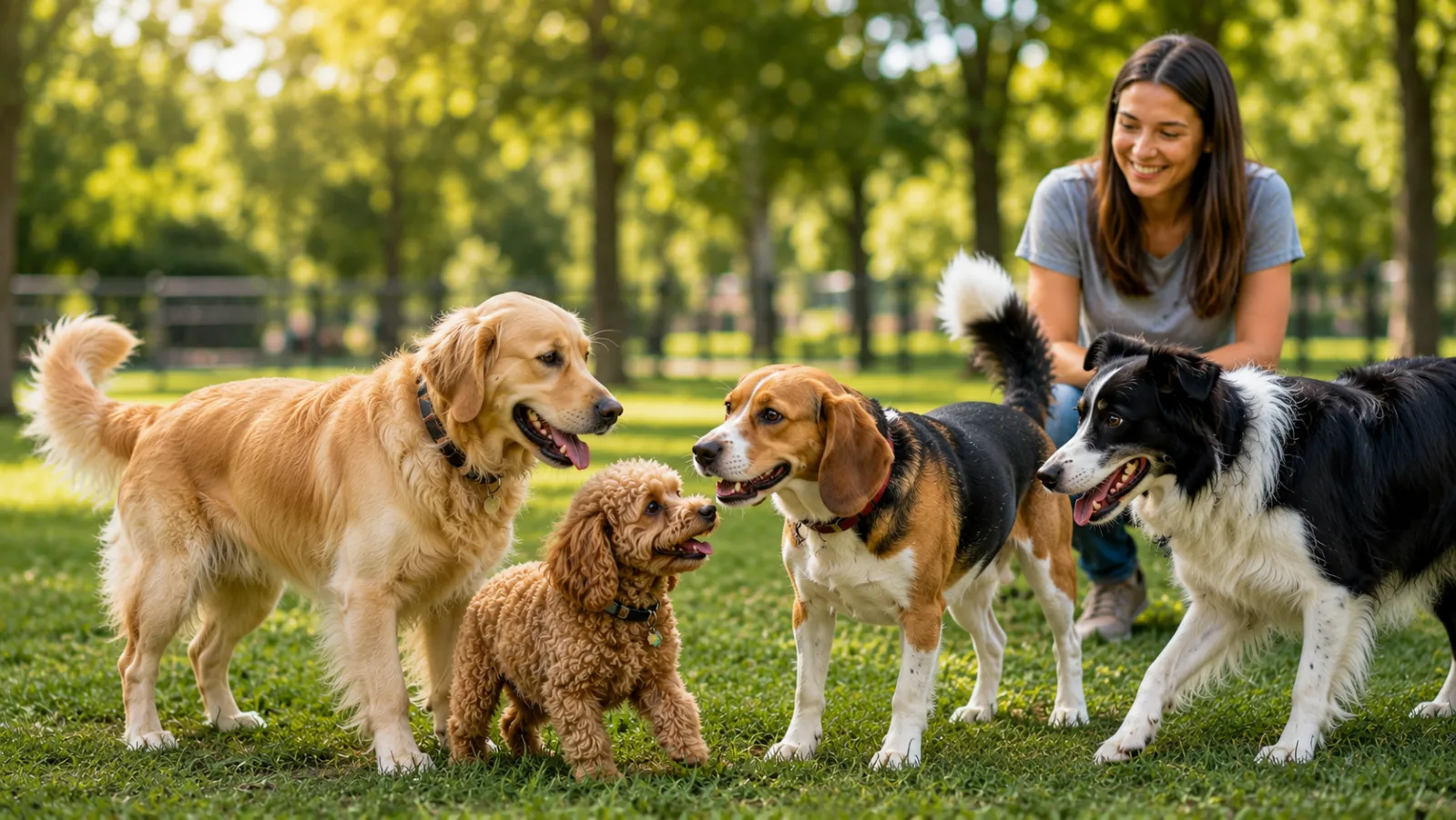
Socialization helps puppies stay calm around people, animals, sounds, and new places.
Introduce the puppy to:
- Friendly people
- Children
- Other vaccinated dogs
- Different environments
- Everyday noises
Positive social experiences reduce fear and aggression later.
7. Stop Biting and Chewing
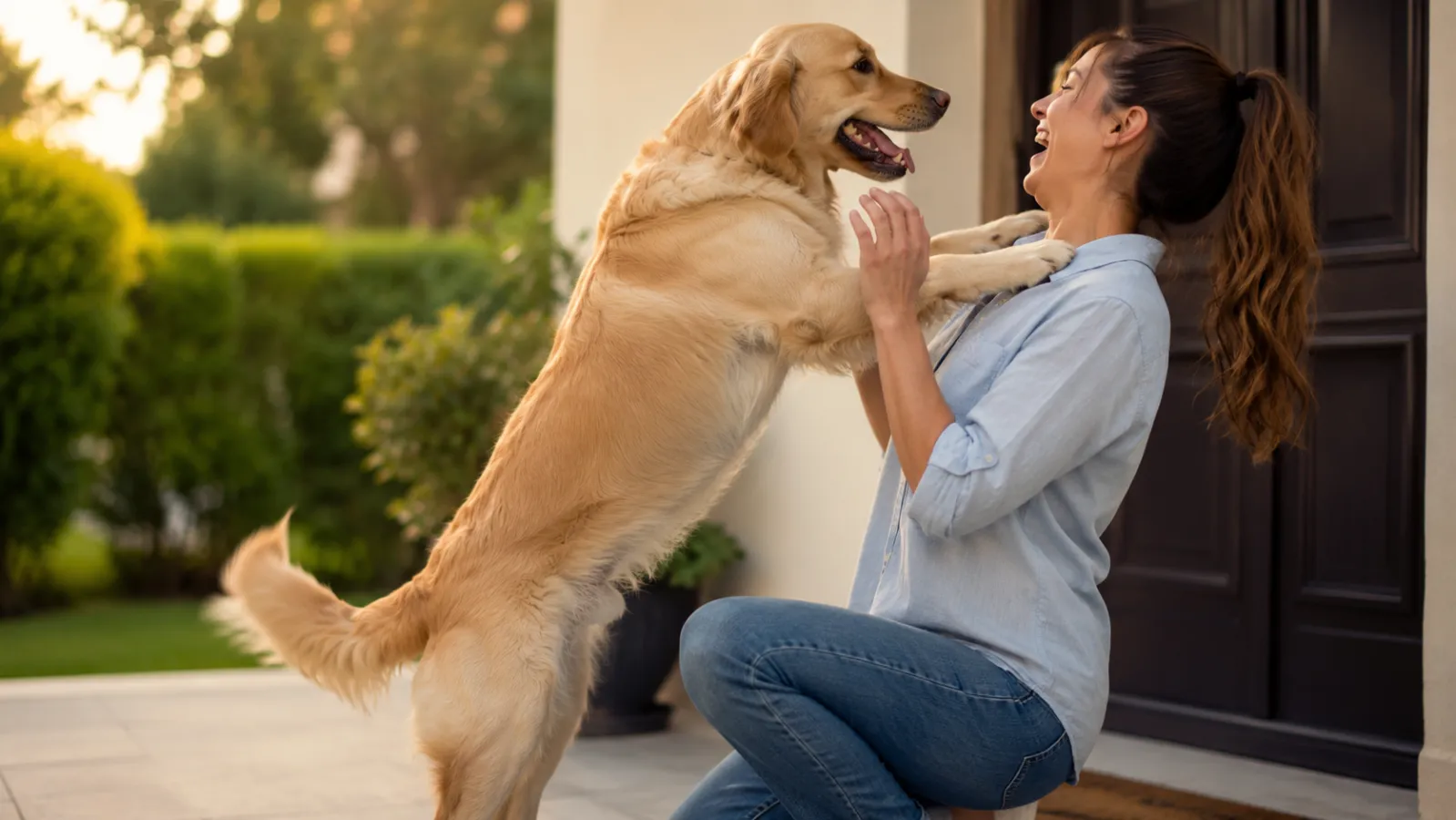
Puppies explore the world with their mouths. Biting is common but must be corrected early.
Helpful strategies include:
- Giving chew toys
- Redirecting attention
- Stopping play if biting continues
- Rewarding calm behavior
Never encourage rough play with hands.
8. Practice Crate Training
Crate training gives puppies a safe and comfortable space.
The crate should:
- Be clean
- Feel comfortable
- Never be used for punishment
Crate training also supports potty training and reduces anxiety.
9. Keep Training Sessions Fun
Puppies lose focus quickly. Training should feel enjoyable.
Use:
- Excited voice tones
- Short activities
- Play rewards
- Simple commands
Fun training increases learning speed and motivation.
10. Stay Patient and Calm
Every puppy learns at a different pace. Some commands may take days or weeks to master.
Patience helps build trust and confidence. Calm owners usually see better training results.
Real-Life Puppy Training Examples
Example 1: Potty Training Success
A family with a 10-week-old Labrador used a fixed bathroom schedule every two hours. They rewarded the puppy with praise after outdoor bathroom breaks. Within three weeks, indoor accidents reduced significantly.
Example 2: Reducing Puppy Biting
A young Golden Retriever constantly bit during playtime. The owner introduced chew toys and paused play whenever biting started. After consistent practice, the puppy became gentler within one month.
Example 3: Teaching Basic Commands
A teacher trained a puppy using five-minute sessions before school every morning. The puppy learned “sit,” “stay,” and “come” through treats and repetition in less than two weeks.
Benefits of Puppy Training
Good puppy training creates long-term positive results for both pets and families.
Main Benefits
- Better communication between owner and puppy
- Fewer behavior problems
- Improved safety outdoors
- Easier vet and grooming visits
- Stronger emotional connection
- Reduced stress for families
- More confidence in social situations
Well-trained puppies also adapt better to new environments and routines.
Common Puppy Training Mistakes
1. Using Punishment
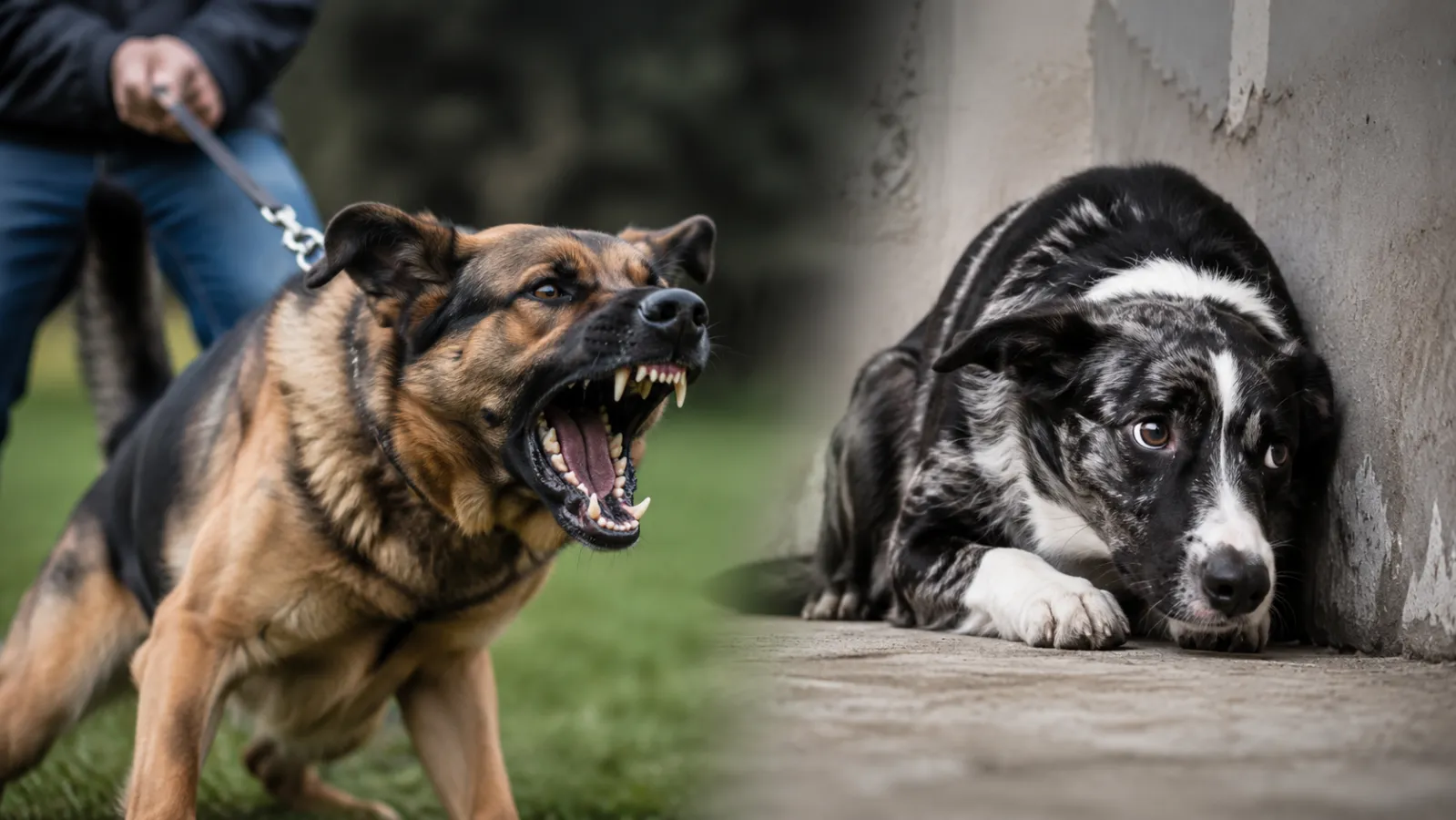
Harsh punishment can create fear and confusion. Positive methods work better and build trust.
2. Inconsistent Rules
Allowing a behavior one day and stopping it the next confuses puppies.
3. Long Training Sessions
Puppies become tired quickly. Short sessions are more effective.
4. Expecting Fast Results
Training takes time. Progress may happen slowly at first.
5. Skipping Socialization
Poor social experiences can lead to anxiety and fear later in life.
6. Ignoring Good Behavior
Many owners only react to bad behavior. Rewarding good behavior is equally important.
Helpful Puppy Training Tools and Methods
Clicker Training
Clickers create a sound that marks correct behavior. Puppies quickly connect the sound with rewards.
Treat Pouches
Treat pouches help owners reward puppies immediately during training.
Puppy Training Apps
Some mobile apps help track:
- Feeding schedules
- Potty breaks
- Training progress
- Vaccination reminders
AI-Based Pet Training Tools
AI pet training tools and smart cameras can monitor puppy behavior at home. Some systems detect barking, movement, or separation anxiety patterns.
Interactive Toys
Puzzle toys keep puppies mentally active and reduce boredom-related behavior problems.
Key Takeaways
- Start puppy training as early as possible
- Use positive reinforcement instead of punishment
- Keep commands simple and consistent
- Build a daily routine for better learning
- Practice short and fun training sessions
- Socialize puppies with people and environments
- Reward good behavior immediately
- Stay patient and calm during the process
- Use practical tools like clickers and chew toys
- Consistency is the key to successful puppy training
FAQ Section
What is the best age to start puppy training?
The best time to start training is between 8 and 16 weeks old because puppies learn quickly during this stage.
How long should puppy training sessions be?
Training sessions should usually last 5 to 10 minutes to keep puppies focused and interested.
Are treats necessary for puppy training?
Treats are helpful because they reward good behavior, but praise and toys can also work well.
How do I stop my puppy from biting?
Redirect biting to chew toys, stop rough play, and reward calm behavior consistently.
Can older puppies still be trained?
Yes, older puppies can still learn new behaviors with patience and regular practice.
How long does puppy training take?
Basic training may take a few weeks, but full behavior development often continues for several months.
Conclusion
Successful puppy training does not require complicated methods. Simple and consistent puppy training tips can help puppies learn faster and behave better at home and in public. Positive reinforcement, patience, routines, and daily practice are the foundation of effective training.
Every puppy learns differently, so progress may take time. The key is to stay calm, reward good behavior, and continue practicing regularly.
If you want a happier and more confident dog, start training early and make learning part of your puppy’s daily routine.