Introduction
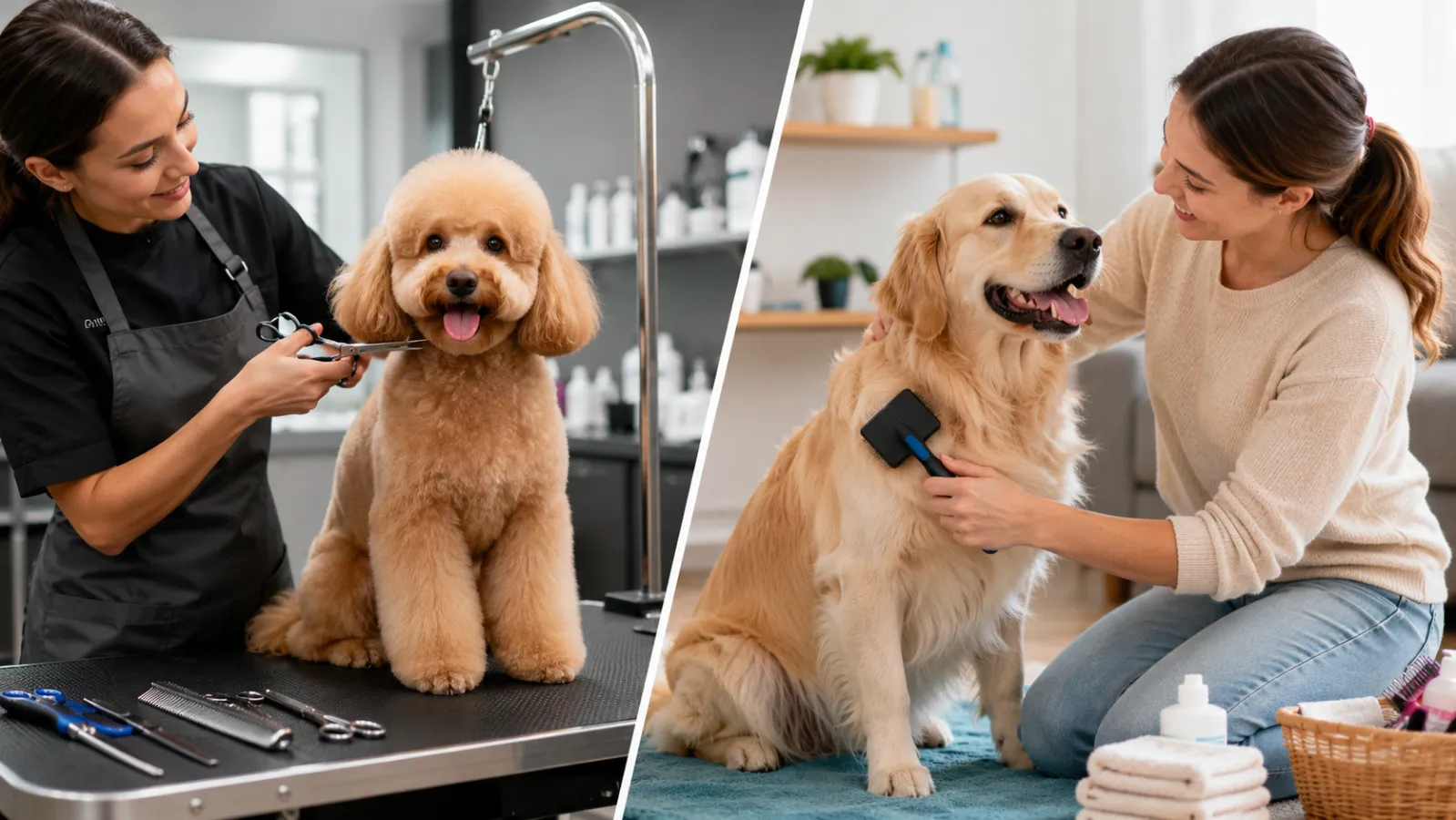
Proper dog care goes beyond feeding and exercise. Regular grooming is an important part of keeping pets healthy and happy. These dog grooming tips can help pet owners maintain clean coats, healthy skin, and better hygiene for their dogs.
Many parents, teachers, and families treat dogs as part of the household. A well-groomed dog is often calmer, cleaner, and more comfortable indoors. Regular grooming also helps reduce odors, loose fur, and skin issues. Learning simple grooming habits can save money, reduce stress, and improve the relationship between pets and owners.
What Are Dog Grooming Tips and Why Are They Important?
Understanding Dog Grooming Tips
Dog grooming tips are practical methods used to maintain a dog’s cleanliness, health, and appearance. Grooming includes brushing fur, trimming nails, cleaning ears, bathing, and checking the skin regularly.
Different dog breeds need different grooming routines. Some dogs require daily brushing, while others only need occasional grooming sessions. Long-haired dogs usually need more coat care than short-haired breeds.
Why Grooming Matters
Regular grooming supports a dog’s overall health. It helps remove dirt, loose hair, and dead skin. Grooming also improves blood circulation and keeps the coat shiny.
Pet owners can also spot health issues during grooming. Skin rashes, fleas, ticks, cuts, or unusual lumps can often be noticed early through regular checks.
Good grooming habits also improve cleanliness inside the home. Less shedding and dirt make living spaces healthier and more comfortable for families.
Essential Dog Grooming Tips for Every Pet Owner
1. Brush Your Dog Regularly
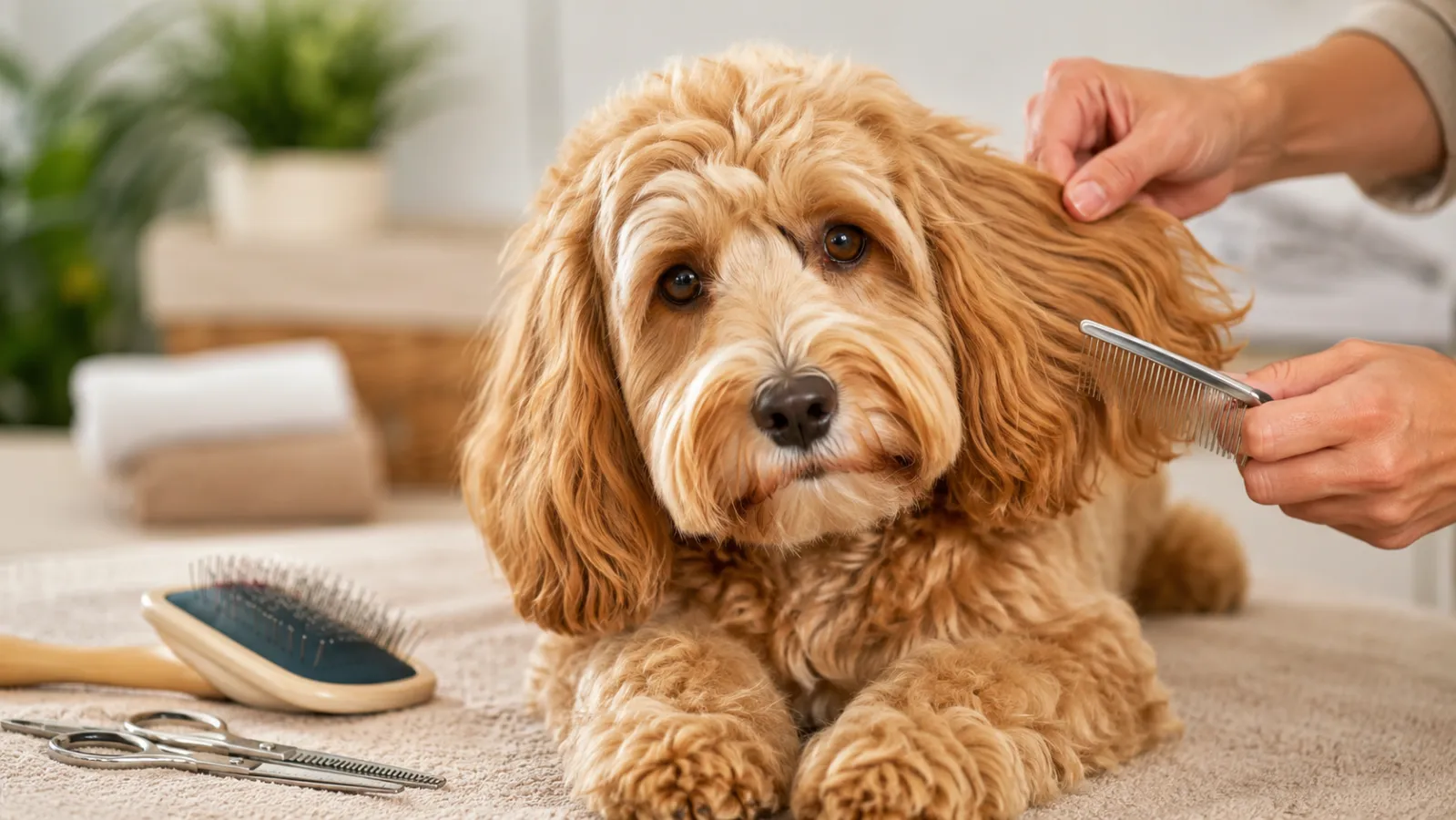
Brushing is one of the most important dog grooming tips. It removes loose fur, prevents tangles, and keeps the coat healthy.
Brushing Guidelines
- Short-haired dogs: 1–2 times weekly
- Medium-haired dogs: 3–4 times weekly
- Long-haired dogs: Daily brushing
Use a brush that matches your dog’s coat type. Gentle brushing also helps dogs relax and enjoy grooming sessions.
2. Bathe Your Dog Properly
Bathing keeps dogs clean and removes dirt and odors. However, bathing too often can dry out the skin.
Bathing Tips
- Use dog-friendly shampoo
- Avoid getting water into the ears
- Rinse shampoo completely
- Dry the coat thoroughly
Most dogs only need a bath every 4–8 weeks unless they become very dirty.
3. Trim Nails Carefully
Long nails can make walking uncomfortable and may cause injuries.
Nail Care Tips
- Trim nails every 3–4 weeks
- Use proper dog nail clippers
- Avoid cutting too close to the quick
- Reward your dog after trimming
If owners feel nervous, a professional groomer or veterinarian can help.
4. Clean the Ears
Dirty ears may lead to infections or discomfort.
Ear Cleaning Steps
- Use a vet-approved ear cleaner
- Apply the cleaner gently
- Wipe the outer ear with cotton
- Never insert deep objects into the ear canal
Check ears weekly for redness, odor, or swelling.
5. Maintain Dental Hygiene
Dental care is often ignored, but it is important for long-term health.
Dental Care Tips
- Brush teeth using dog toothpaste
- Offer dental chews
- Schedule regular dental checkups
Healthy teeth can reduce bad breath and prevent gum disease.
6. Check the Skin and Coat
During grooming, inspect the dog’s skin carefully.
Look for These Signs
- Dry patches
- Fleas or ticks
- Redness
- Hair loss
- Cuts or bumps
Early detection can help prevent serious health problems.
Real-World Examples of Dog Grooming Tips
Example 1: Busy Family With a Golden Retriever
A family with young children brushed their Golden Retriever daily and used a monthly bathing schedule. This reduced shedding inside the house and helped keep furniture cleaner.
Example 2: Teacher Caring for a Small Apartment Dog
A teacher living in an apartment used short weekly grooming sessions for a small dog. Regular nail trimming reduced scratching on floors and improved the dog’s comfort indoors.
Example 3: Parent Managing Seasonal Shedding
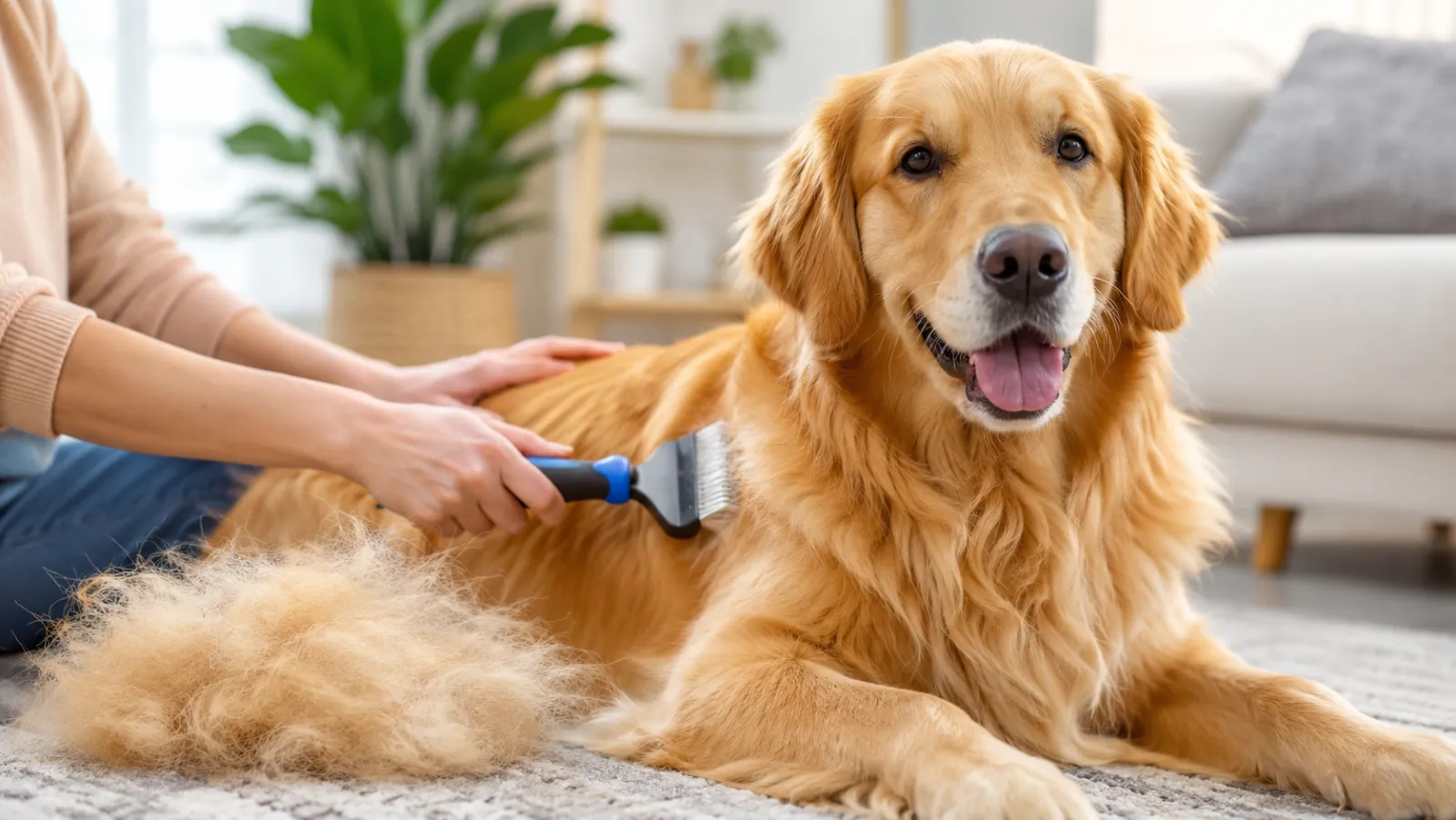
A parent noticed heavy shedding during summer. By increasing brushing frequency and using a de-shedding tool, the amount of loose fur in the home decreased significantly.
Benefits of Following Dog Grooming Tips
Better Physical Health
Regular grooming supports healthy skin, clean ears, and strong nails. It also lowers the risk of infections and parasites.
Improved Comfort
Dogs feel more comfortable when their coat is clean and free from mats or tangles.
Cleaner Home Environment
Frequent grooming reduces loose hair, dirt, and pet odors inside the home.
Stronger Bond Between Dog and Owner
Grooming sessions build trust and improve communication between pets and owners.
Early Health Detection
Regular checks during grooming help owners identify health concerns before they become serious.
Common Dog Grooming Mistakes
Bathing Too Frequently
Too many baths can remove natural oils from the skin and cause dryness.
Using Human Shampoo
Human products may irritate a dog’s skin because they are not designed for canine use.
Ignoring Nail Growth
Overgrown nails can affect walking posture and lead to pain.
Skipping Ear Cleaning
Dirty ears may develop infections if not cleaned regularly.
Brushing Incorrectly
Rough brushing may hurt the dog and damage the coat.
Avoiding Professional Help
Some breeds require expert grooming. Delaying professional care can lead to matting and skin issues.
Useful Tools and Practical Dog Grooming Tips
Basic Grooming Tools
Every pet owner should keep these grooming supplies at home:
- Dog brush or comb
- Nail clippers
- Dog shampoo
- Ear cleaning solution
- Towels
- Toothbrush for dogs
Helpful Grooming Routine
Weekly Routine
- Brush coat
- Check ears
- Inspect skin
Monthly Routine
- Bathe dog
- Trim nails
- Deep clean grooming tools
AI and Digital Grooming Support
Modern pet care apps can help owners track grooming schedules and reminders.
Useful digital tools may include:
- Pet care reminder apps
- AI-based pet health trackers
- Online grooming tutorials
- Veterinary consultation platforms
These tools help busy families maintain regular grooming habits.
Key Takeaways
- Dog grooming tips help maintain a dog’s health and comfort
- Regular brushing reduces shedding and prevents tangles
- Proper bathing keeps the coat clean without damaging the skin
- Nail trimming improves movement and prevents injuries
- Ear and dental care reduce infection risks
- Grooming helps owners identify health issues early
- Simple grooming routines create cleaner homes and happier pets
- Professional grooming may be necessary for certain breeds
Frequently Asked Questions
How often should I groom my dog?
Most dogs need brushing weekly and bathing every 4–8 weeks. Long-haired breeds may require daily brushing.
What is the best brush for dogs?
The best brush depends on the coat type. Slicker brushes work well for long-haired dogs, while bristle brushes suit short coats.
Can I use human shampoo on dogs?
No. Human shampoo may irritate a dog’s skin. Always use products made specifically for dogs.
Why is nail trimming important for dogs?
Long nails can cause discomfort, poor posture, and difficulty walking.
How can I reduce dog shedding at home?
Regular brushing, healthy nutrition, and proper bathing can help reduce shedding.
Should I hire a professional dog groomer?
Professional groomers are useful for dogs with thick coats, heavy matting, or breed-specific grooming needs.
Conclusion
Good grooming habits are essential for every dog owner. These dog grooming tips can improve a pet’s health, comfort, and cleanliness while creating a better home environment for families.
Simple grooming routines such as brushing, bathing, nail trimming, and ear cleaning can make a big difference over time. With regular care and the right tools, pet owners can keep their dogs healthy, happy, and comfortable.
Start building a simple grooming routine today and make pet care easier for both you and your dog.