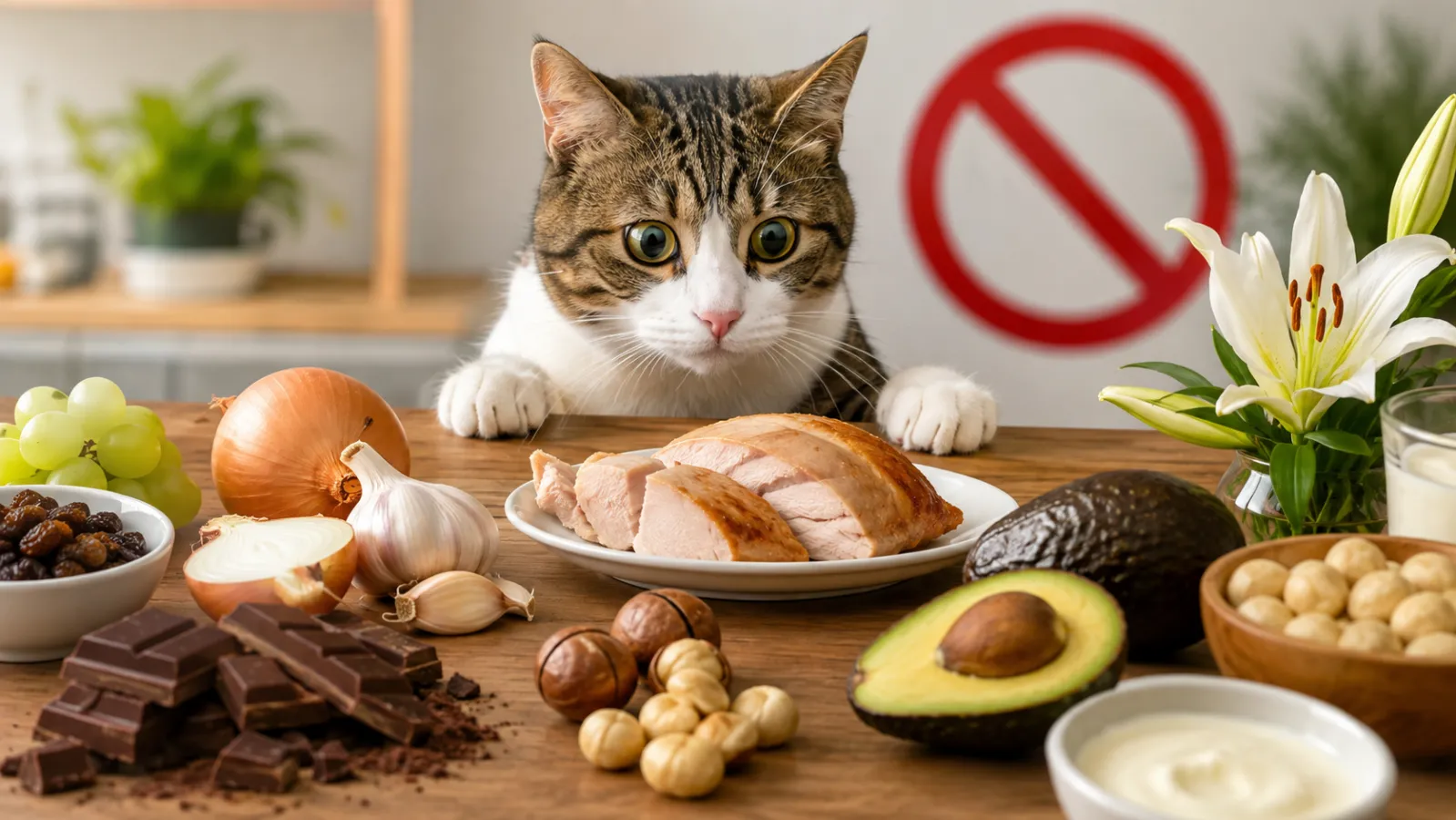
Counter jumping is one of the most common behavior challenges faced by cat owners, particularly in homes where cats have access to kitchens, dining areas, and food preparation surfaces. While jumping onto a counter may seem like disobedience, it is usually a natural behavior driven by curiosity, food, height, comfort, or the desire to explore.
For many North American households, keeping cats off kitchen counters is also a hygiene and safety concern. Cats can walk through litter, outdoor debris, or other contaminants before stepping onto food preparation areas. They may also encounter hot stovetops, sharp objects, cleaning products, or foods that are unsafe for cats.
The good news is that counter jumping can usually be reduced with the right combination of environmental management, attractive alternatives, positive reinforcement, and consistency. The goal is not simply to punish your cat for jumping. Instead, you want to make appropriate locations more rewarding while making the kitchen counter less interesting.
1. Why Do Cats Jump on Counters?
Before trying to stop counter jumping, it helps to understand why your cat does it. Cats rarely jump onto counters simply to annoy their owners. The behavior often provides something valuable from the cat's perspective.
Cats Like High Places
Cats naturally feel comfortable in elevated locations. Height allows them to observe their surroundings while feeling relatively secure. A kitchen counter can provide an excellent view of the room, other pets, family members, windows, and household activity.
If your cat frequently watches everything from the counter, they may simply be seeking a high observation point.
Food Can Be a Powerful Motivation
The smell of food is another major reason cats investigate counters. A cat may discover crumbs, leftovers, meat, treats, or food packaging that makes the counter rewarding.
If your cat has successfully found food on the counter even a few times, they may continue checking it because they have learned that jumping up can produce a reward.
Curiosity Encourages Exploration
Cats are naturally curious animals. New objects, unfamiliar smells, running water, grocery bags, cooking ingredients, and household activities can all attract their attention.
The kitchen is particularly stimulating because it contains movement, sounds, smells, and frequently changing objects.
Attention Can Reinforce the Behavior
Even negative attention can sometimes encourage a behavior. If jumping onto the counter consistently causes you to chase your cat, talk to them, or pick them up, your cat may learn that counter jumping reliably produces interaction.
Understanding the motivation behind the behavior makes training much easier.
2. Make the Counter Less Rewarding
One of the most effective long-term strategies is to remove the rewards associated with counter jumping.
Start by keeping food, treats, dirty dishes, and interesting objects away from the edges of counters. Clean crumbs and spills promptly, especially after preparing meat or other strongly scented foods.
Avoid leaving food unattended on the counter. If your cat repeatedly discovers something interesting there, they have a reason to keep returning.
You should also consider whether your cat has access to other rewards on the counter, such as dripping faucets, warm appliances, or attention from family members.
The objective is simple: make the counter boring.
This does not mean frightening your cat. It means removing the things that make the location valuable.
3. Provide Better Alternatives
Simply telling a cat where they cannot go is often less effective than providing an attractive place where they can go.
A cat tree is one of the best alternatives for a cat that enjoys climbing and observing the household from above. Place it near an area where your cat already enjoys spending time.
Window perches can also be excellent alternatives, particularly for cats that enjoy watching birds, squirrels, pedestrians, or outdoor activity.
Other options include:
- Cat shelves
- Tall scratching posts
- Comfortable elevated beds
- Window hammocks
- Cat condos
- Secure furniture designed for cats
The alternative should match the reason your cat likes the counter. If they want height, provide height. If they want to watch you cook, place an approved perch where they can safely observe the kitchen from a distance.
4. Use Positive Reinforcement
Reward training is one of the most useful tools for changing unwanted behavior.
Instead of focusing entirely on correcting your cat when they jump onto the counter, actively reward them for using an appropriate location.
For example, when your cat climbs onto their cat tree instead of the counter, immediately provide praise, a small treat, or another reward they enjoy.
Your cat begins to learn:
"Using this location gets me something good."
Over time, the desired behavior becomes more valuable.
Rewards can include:
- Small cat treats
- Verbal praise
- Gentle attention
- Interactive play
- A favorite toy
- Access to a preferred perch
Keep treats small, particularly if your cat receives several rewards throughout the day. You can also use part of your cat's normal daily food allowance for training.
5. Teach an Alternative Behavior
An especially effective approach is teaching your cat what to do instead of jumping onto the counter.
Choose a specific location, such as a cat tree or mat, and teach your cat to go there when you are preparing food.
Begin when the kitchen is calm. Encourage your cat toward the designated location and reward them when they stay there.
Once they understand the behavior, gradually practice during normal kitchen activities.
For example, you might:
- Send your cat to their designated perch.
- Reward them for staying there.
- Begin a simple kitchen activity.
- Continue rewarding calm behavior.
- Release your cat when the activity is finished.
With repetition, your cat can learn that being on their approved perch is more rewarding than investigating the counter.
6. Manage the Environment
Training works best when the environment supports the behavior you want.
During cooking or food preparation, consider temporarily restricting your cat's access to the kitchen if they are highly persistent. A baby gate may work for some homes, although many cats can jump over standard gates. Closing a door may be more reliable when practical.
Keep potentially dangerous kitchen items secured. This includes:
- Cleaning products
- Sharp utensils
- Hot cookware
- Electrical cords
- Food that is unsafe for cats
- Small objects that could be swallowed
Environmental management is especially important while training is still underway.
If your cat cannot repeatedly practice counter jumping, you have more opportunities to reinforce the behavior you actually want.
7. Use Safe Deterrents Carefully
Some owners use environmental deterrents to make counters less appealing. Double-sided tape is one example. Many cats dislike the sticky sensation on their paws, which may discourage them from stepping onto a particular surface.
If you use a deterrent, it should be safe, temporary, and appropriate for the surface.
Avoid methods designed to scare, hurt, or physically punish your cat. Do not use electrical devices, harmful substances, or anything that could cause injury.
Avoid relying on loud yelling or chasing your cat around the kitchen. Fear-based methods can damage trust and may not teach the cat what behavior you actually want.
The best deterrent is one that discourages access without creating fear.
8. Never Punish Your Cat After the Fact
One of the most common mistakes is punishing a cat for something they did several minutes earlier.
Cats do not necessarily connect delayed punishment with the behavior you are trying to change. Instead, they may become confused or learn that you are unpredictable.
If you see your cat jumping onto the counter, calmly interrupt the behavior and redirect them to an approved location.
Once they are in the correct location, reward them.
This creates a much clearer lesson:
Counter = no reward.
Approved perch = reward.
9. Avoid Accidentally Rewarding Counter Jumping
Owners sometimes reinforce counter jumping without realizing it.
For example, imagine a cat jumps onto the counter while you are preparing dinner. You immediately give them a treat to get them down.
The cat may learn:
"Jumping onto the counter gets me a treat."
Instead, guide or redirect your cat to their approved location first, then provide the reward there.
Everyone in the household should follow the same rule. If one family member allows the cat to sit on the counter while another person discourages it, the cat receives mixed signals.
Consistency is essential.
10. Make Feeding More Predictable
Hunger can contribute to food-related counter jumping.
Establish a predictable feeding routine that fits your cat's nutritional needs. Avoid allowing the kitchen counter to become an unofficial feeding area.
You can also provide enrichment through food puzzles or interactive feeders when appropriate. These activities encourage natural behaviors such as searching, batting, and problem-solving.
However, food enrichment should not replace a complete and balanced diet. Cats need appropriate nutrition, fresh water, and feeding routines suited to their individual needs.
If your cat suddenly becomes extremely hungry or begins searching for food much more aggressively than usual, speak with your veterinarian because a sudden change in appetite can sometimes have an underlying cause.
11. Give Your Cat Enough Mental and Physical Stimulation
A bored cat may find counter jumping more entertaining simply because there is nothing else to do.
Daily play can help provide appropriate outlets for natural behaviors such as chasing, stalking, pouncing, and climbing.
Try activities such as:
- Interactive wand toys
- Short play sessions
- Puzzle feeders
- Scratching posts
- Climbing structures
- Hide-and-seek games
- Rotating toys
You do not need to entertain your cat constantly. Several short, engaging activities throughout the day can be more practical than one long session.
A cat that has appropriate opportunities to explore, play, climb, and observe may have less motivation to turn your kitchen into their personal playground.
12. Common Mistakes to Avoid
Stopping counter jumping can take time, and several common mistakes can slow progress.
Inconsistent Rules
Allowing your cat on the counter sometimes teaches them that counter access is occasionally rewarding.
Only Correcting Bad Behavior
If you only react when your cat does something wrong, they may not understand what you want instead. Reward desirable behavior frequently.
Using Fear
Spraying, shouting, chasing, or frightening your cat may create stress and damage your relationship.
Leaving Food Accessible
Even excellent training can struggle against the powerful reward of finding leftover food.
Expecting Immediate Results
Behavior changes rarely happen overnight. Your cat may continue testing the old behavior before the new habit becomes established.
Providing an Unattractive Alternative
A cat tree hidden in an unused room may not compete with a counter overlooking the entire kitchen. Place alternatives where your cat actually wants to spend time.
13. Consistency Is the Key to Long-Term Success
Cats learn through repetition and predictable consequences.
If you want your cat to stop jumping onto counters, everyone in the household should follow the same approach.
Decide:
- Which surfaces are off-limits
- Which areas are allowed
- Which rewards will be used
- How your cat will be redirected
- What happens during meal preparation
- How food will be stored
Then follow those rules consistently.
Progress may not be perfectly linear. Your cat might behave well for several days and suddenly jump onto the counter again. This does not necessarily mean the training has failed.
Continue reinforcing the preferred behavior and managing the environment.
14. When to Seek Professional Help
Most counter jumping is a normal behavior issue, but sudden or extreme changes in behavior deserve attention.
Contact your veterinarian if counter jumping appears alongside other unusual changes, such as:
- Sudden changes in appetite
- Excessive thirst
- Significant weight changes
- Increased vocalization
- Restlessness
- Confusion
- Changes in bathroom habits
- Signs of pain
- Major changes in sleep or activity
For persistent behavior problems, your veterinarian may also recommend working with a qualified feline behavior professional.
Professional guidance can be particularly helpful when counter jumping is connected to anxiety, conflict with other pets, compulsive behavior, or other complex issues.
Final Thoughts
Stopping a cat from jumping on kitchen counters is not about forcing them to obey through punishment. It is about understanding why they want to be there and providing a better option.
Cats jump because counters can offer height, interesting smells, food, warmth, attention, and a good view of their surroundings. Once you understand those motivations, you can make the counter less rewarding while making approved locations more appealing.
Start by keeping food and dangerous objects off the counter. Provide attractive alternatives such as cat trees and window perches. Use positive reinforcement to reward your cat for choosing those locations. During cooking and food preparation, use environmental management to prevent unwanted access when necessary.
Safe deterrents such as double-sided tape may help temporarily, but training and environmental changes are more important for long-term success.
Most importantly, remain patient and consistent. Your cat is not trying to break household rules out of spite. They are behaving according to their natural instincts and previous experiences.
With clear boundaries, rewarding alternatives, and consistent training, many cats can learn that the kitchen counter is no longer worth visiting—and that their own elevated perch is a much better place to watch the world go by.