Keeping your cat healthy is about much more than treating illness when it appears. A strong immune system depends on the everyday care your cat receives, including nutritious food, enough water, regular activity, low stress, good sleep, preventive healthcare, and a safe living environment. While no food, supplement, or home remedy can guarantee that a cat will never get sick, consistent preventive care can support normal immune function and overall well-being.
For North American cat owners, this is especially important because cats can encounter parasites, infectious diseases, obesity, dental problems, environmental stress, and other health challenges even when they live primarily indoors. The good news is that many of the most effective ways to support your cat's health are simple habits you can build into your daily routine.
Here are nine practical ways to support your cat's immune system naturally while working alongside your veterinarian.
1. Feed a Complete and Balanced, High-Quality Diet
Nutrition is one of the most important foundations of your cat's health. Cats are obligate carnivores, meaning their bodies are adapted to obtain essential nutrients from animal-based foods. They need adequate protein along with specific amino acids, fatty acids, vitamins, and minerals to maintain normal body functions.
A good starting point is a commercially prepared cat food labeled as complete and balanced for your cat's life stage. In the United States, looking for an appropriate AAFCO nutritional adequacy statement can help you identify foods formulated to meet established nutrient requirements.
Choose the Right Protein
High-protein diets can be appropriate for healthy cats because protein provides essential amino acids needed for maintaining muscles and normal body function. However, "more protein" does not automatically mean "better." The overall diet needs to be nutritionally balanced.
Choose food based on your cat's:
- Age
- Weight
- Activity level
- Health status
- Life stage
- Individual dietary needs
Kittens, adults, pregnant or nursing cats, and senior cats can have different nutritional requirements.
Avoid Excessive Treats
Treats should complement—not replace—a balanced diet. Cornell Veterinary Medicine recommends keeping treats to approximately 10–15% of a cat's daily calorie intake.
Avoid making sudden dietary changes or adding vitamins and supplements without veterinary guidance. A cat eating a complete and balanced diet generally does not need unnecessary vitamin supplementation, and excessive amounts of certain nutrients can be harmful.
Most importantly, never assume that a "natural" product is automatically safe for cats.
2. Encourage Your Cat to Drink More Water
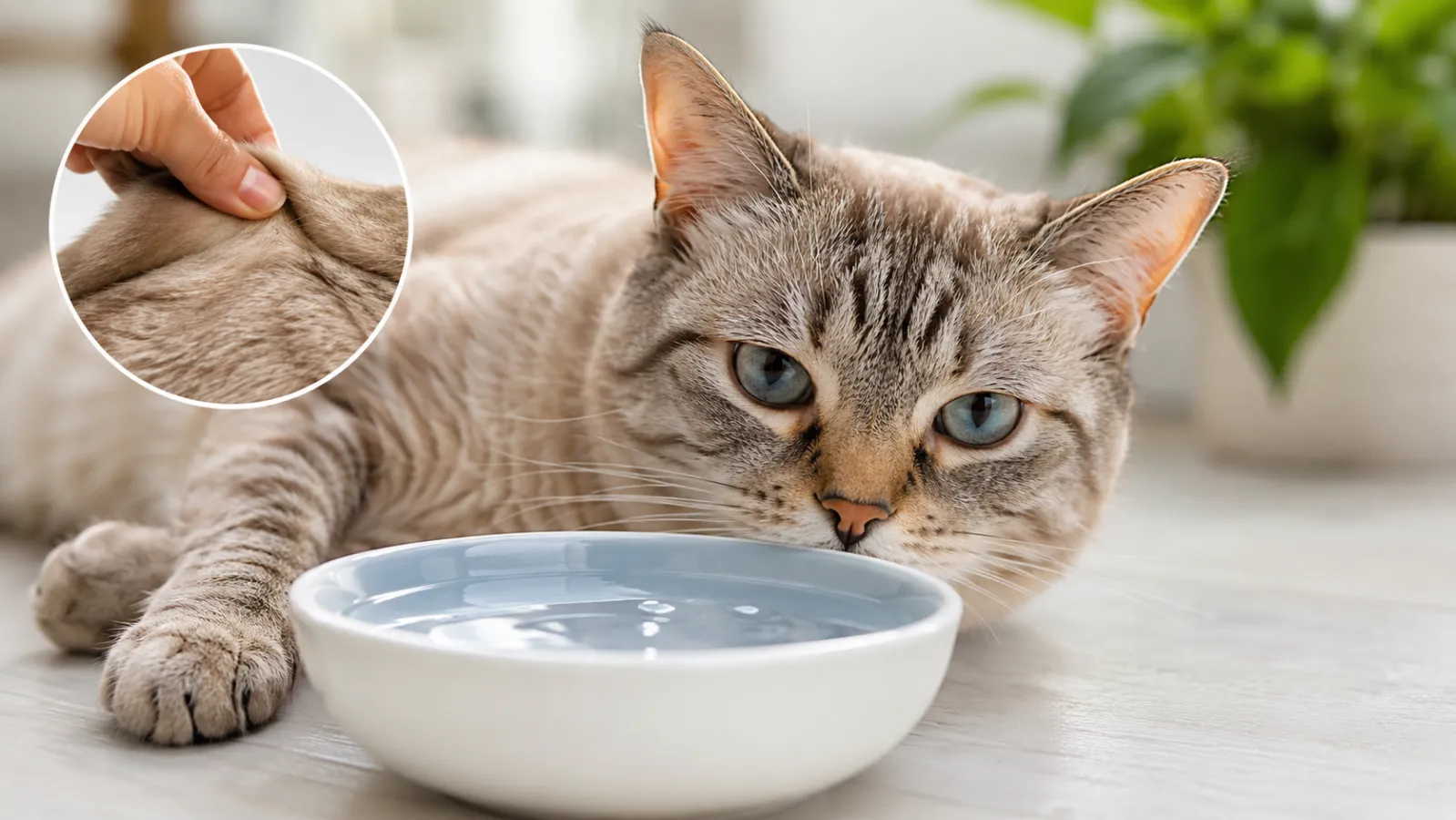
Hydration is another important part of maintaining your cat's overall health. Cats can have relatively low thirst drives, so some cats may not drink as much water as their owners expect.
Always provide clean, fresh water.
You can make drinking more appealing by:
- Providing multiple water bowls
- Keeping bowls away from litter boxes
- Cleaning water containers regularly
- Trying a cat water fountain
- Offering wet food
- Adding a small amount of water to food if your cat accepts it
Wet cat food typically contains much more water than dry food and can contribute significantly to daily fluid intake. Cornell notes that canned cat food is typically around 70–80% water.
Every cat has different preferences. Some prefer wide, shallow bowls, while others enjoy drinking from fountains. The goal is simple: make fresh water easy and attractive to access.
If your cat suddenly begins drinking dramatically more or less than usual, however, don't simply assume it is a hydration issue. Changes in drinking behavior can sometimes signal an underlying medical problem and should be discussed with a veterinarian.
3. Provide Daily Exercise and Play
A healthy immune system is supported by overall physical health, and regular activity is an important part of keeping your cat fit.
Indoor cats especially need opportunities to move, chase, climb, explore, and play. Without adequate stimulation, cats can become inactive and gain excess weight.
Daily play can include:
- Interactive wand toys
- Feather toys
- Balls
- Cat tunnels
- Puzzle feeders
- Scratching posts
- Cat trees
- Hide-and-seek games
Try short play sessions throughout the day rather than expecting one long workout. Interactive play that mimics hunting—stalking, chasing, pouncing, and capturing—can provide both physical and mental stimulation. Feline veterinary guidelines specifically emphasize opportunities for play and predatory behavior as an important part of a healthy environment.
Exercise also supports healthy weight management. Obesity is a common nutritional problem in cats and can contribute to conditions such as diabetes and joint disease.
Remember that an overweight cat should not be placed on a crash diet. Rapid weight loss can be dangerous for cats, so weight-management plans should be developed with a veterinarian.
4. Reduce Stress in Your Cat's Environment
Stress is often overlooked when owners think about immune health. Cats are sensitive to changes in their environment, and ongoing stress can affect both physical and emotional well-being.
Feline veterinary organizations emphasize that a cat's comfort with its environment is closely connected with physical health, emotional well-being, and behavior.
You can make your home more comfortable by providing:
- A quiet hiding place
- Comfortable resting areas
- Elevated spaces such as cat trees
- Clean and accessible litter boxes
- Separate food and water areas
- Scratching surfaces
- Daily interactive play
- Predictable routines
Multi-cat households require additional attention. Cats may experience stress when they have to compete for food, water, litter boxes, resting areas, or human attention.
Try to provide separate resources so each cat can access what they need without feeling threatened.
Avoid punishment when your cat displays unwanted behavior. Instead, look for the reason behind the behavior and address environmental stressors. Current feline behavior guidance emphasizes positive, predictable, consistent interactions and minimizing environmental stress.
5. Give Your Cat Plenty of Quality Sleep
Don't worry if your cat seems to sleep all day. Cats naturally spend a large portion of their time sleeping or resting. Healthy cats commonly sleep around 12–16 hours per day, although individual patterns vary.
Instead of trying to make your cat sleep less, provide a safe environment where they can rest undisturbed.
Good sleeping options include:
- A quiet cat bed
- A comfortable blanket
- A covered hiding space
- An elevated resting area
- A warm, draft-free location
- A familiar area away from household traffic
Cats often feel safer when they can choose where they rest. Elevated spaces and enclosed hiding areas can provide security, particularly in busy households.
Pay attention to changes, though. If your cat suddenly sleeps much more than normal, becomes difficult to wake, or loses interest in food and play, don't simply assume the cat is tired. A significant change in sleeping behavior can be associated with illness and deserves veterinary attention.
6. Keep Vaccinations Up to Date
"Natural" cat care should not mean avoiding proven preventive medicine.
Vaccination is one of the most important ways to reduce the risk of certain infectious diseases. Vaccination recommendations should be based on your cat's age, lifestyle, environment, exposure risks, and local requirements.
The Feline Veterinary Medical Association's vaccination guidelines emphasize tailoring vaccination decisions to individual risk factors such as life stage, environment, and lifestyle.
Even indoor cats may have exposure risks. For example, they may encounter pathogens through other animals, veterinary visits, boarding situations, escaped outdoor exposure, or objects brought into the home.
Talk with your veterinarian about which vaccines your cat needs and how often boosters are appropriate.
Vaccines don't "weaken" a healthy cat's immune system. Their purpose is to prepare the immune system to recognize specific infectious threats.
7. Stay Consistent With Parasite Prevention
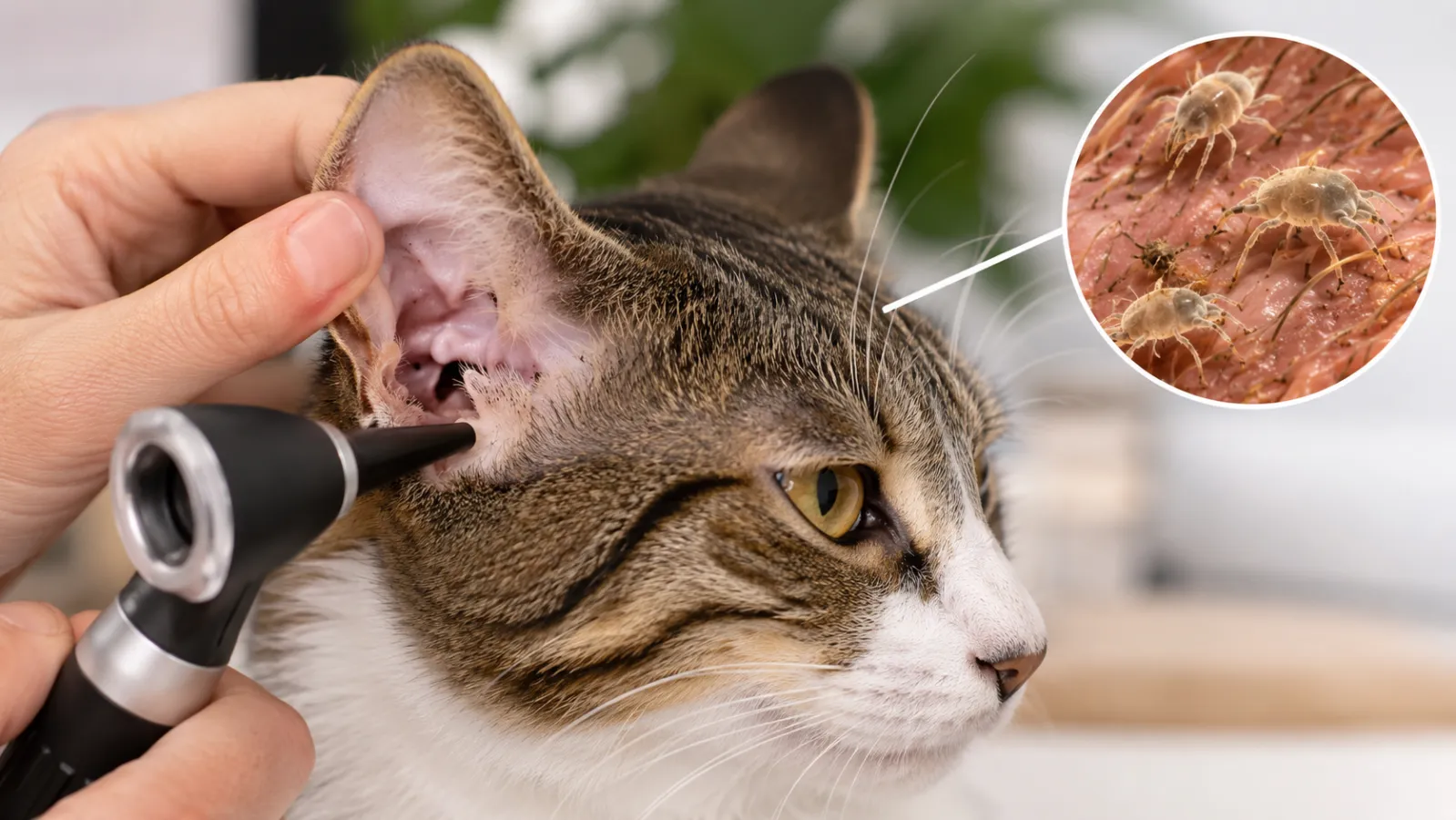
Parasites can place unnecessary stress on a cat's body and may cause significant health problems. Fleas, ticks, intestinal parasites, and heartworms are among the concerns that North American cat owners should discuss with their veterinarians.
Importantly, being an indoor cat does not automatically eliminate parasite risk. The Companion Animal Parasite Council recommends year-round parasite prevention for cats, with the specific approach based on the individual animal and veterinary guidance.
For example, CAPC recommends year-round heartworm prevention for cats regardless of lifestyle because even indoor cats can be exposed to mosquitoes.
Flea prevention is also important. Flea infestations can establish themselves inside homes and can affect both pets and people. CAPC recommends year-round flea control for cats.
Your veterinarian can recommend products appropriate for your cat's age, weight, lifestyle, and health.
Never use a dog flea or tick product on a cat unless your veterinarian specifically confirms it is safe. Some ingredients used in dog products can be dangerous to cats.
8. Support Gut Health Carefully
The digestive system plays an important role in overall health, which is why gut health has become an increasingly popular topic among pet owners.
A sensible approach is to start with the basics:
- Feed a complete and balanced diet
- Avoid unnecessary food changes
- Keep your cat properly hydrated
- Prevent parasites
- Avoid unsafe human foods
- Maintain a healthy body weight
- Discuss digestive problems with your veterinarian
Probiotics are another option that some cat owners consider. Probiotics contain live microorganisms intended to provide a beneficial effect when administered in adequate amounts. Research in cats is more limited than research in humans, although evidence is strongest in some gastrointestinal situations, such as certain cases of diarrhea.
This means probiotics should not be treated as a universal immune-system booster.
If you're considering a probiotic, ask your veterinarian about the product, strain, dose, and reason for using it. This is particularly important if your cat has chronic diarrhea, vomiting, inflammatory bowel disease, food sensitivities, or another medical condition.
Avoid giving your cat random human probiotics or supplements without professional advice.
🩺 9. Schedule Regular Veterinary Care
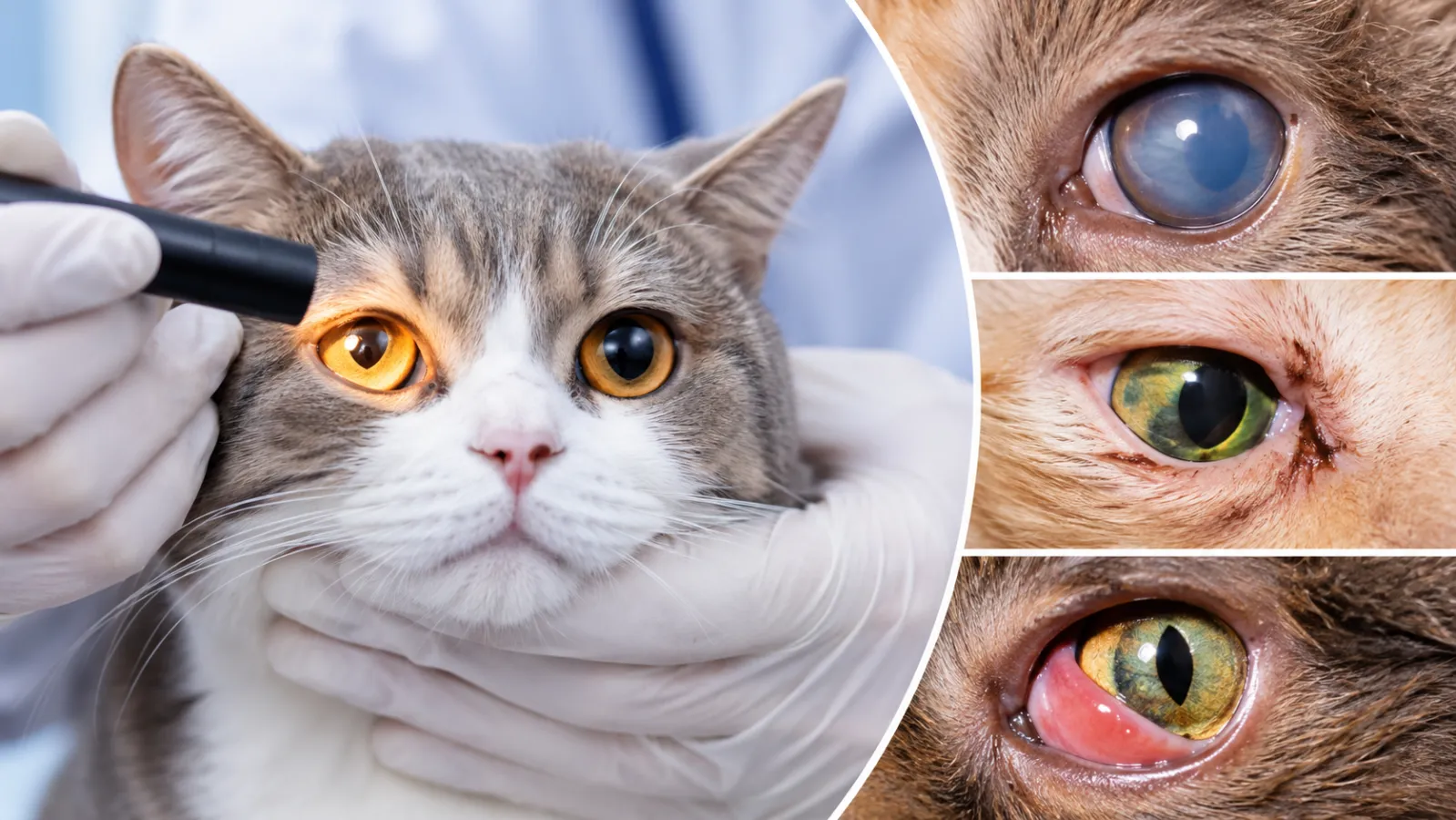
Perhaps the most important "natural" immune-support strategy is simply finding health problems early.
Cats are experts at hiding signs of illness. A cat can appear relatively normal while developing a medical problem that requires treatment.
Routine veterinary examinations allow your veterinarian to assess:
- Weight and body condition
- Nutrition
- Dental health
- Vaccination status
- Parasite prevention
- Skin and coat
- Heart and lungs
- Behavior
- Mobility
- Overall health
For an average adult cat, annual wellness examinations are commonly recommended, while senior cats may benefit from more frequent visits depending on their health and age.
Your veterinarian can also help create an individualized preventive-care plan rather than relying on generic advice from the internet.
Early veterinary attention is particularly important if you notice:
- Loss of appetite
- Unexplained weight loss
- Persistent vomiting or diarrhea
- Changes in drinking or urination
- Difficulty breathing
- Severe lethargy
- Changes in behavior
- Poor grooming
- Persistent coughing or sneezing
- New lumps or swelling
Do not wait for a minor concern to become a serious illness.
A Simple Daily Immune-Support Routine for Your Cat
Supporting your cat's health doesn't have to be complicated.
A simple routine might look like this:
Morning
Provide a measured portion of complete and balanced food and refresh the water bowl. Check that your cat is eating, behaving normally, and using the litter box.
During the Day
Give your cat opportunities to rest in a quiet, comfortable location. Provide access to scratching surfaces, climbing areas, and safe enrichment.
Evening
Spend a few minutes playing with interactive toys. Encourage natural stalking and chasing behaviors, then finish with a small meal if that fits your cat's feeding routine.
Weekly
Check your cat's coat, body condition, nails, litter-box habits, and general behavior. Look for changes that might otherwise go unnoticed.
Regularly
Follow your veterinarian's recommendations for vaccinations, parasite prevention, dental care, wellness examinations, and any recommended screening tests.
Common Mistakes to Avoid
When trying to strengthen a cat's immune system, well-meaning owners can sometimes do too much.
Avoid relying on:
Unnecessary supplements: A complete and balanced diet may already provide the nutrients your cat needs. Supplements should be recommended for a specific reason.
Raw diets as a shortcut to better immunity: There is currently no clear evidence that raw diets provide superior immune benefits, while raw foods can carry infectious risks. Cornell does not recommend raw diets for cats.
Human foods: Many human foods are inappropriate or potentially dangerous for cats.
Crash diets: Sudden food restriction can be dangerous, particularly for overweight cats.
Skipping veterinary care: Natural care and veterinary medicine should work together, not compete with each other.
Final Thoughts
Strengthening your cat's immune system naturally is not about finding one magical food, supplement, or home remedy. It is about creating a lifestyle that supports your cat's overall health every day.
A complete and balanced high-quality diet provides essential nutrients. Fresh water supports hydration. Daily play keeps your cat active and mentally stimulated. A predictable, enriched environment can reduce stress. Comfortable sleeping areas allow normal rest. Vaccinations and parasite prevention reduce avoidable health risks, while regular veterinary examinations help identify problems before they become more serious.
The most effective approach is simple: feed well, hydrate, play, reduce stress, protect against preventable disease, and pay attention to changes in behavior or health.
Every cat is different, so the ideal wellness plan will depend on age, lifestyle, breed, weight, environment, and medical history. When in doubt, work with your veterinarian to build a preventive-care routine designed specifically for your cat.
A healthy immune system is supported by healthy daily habits—and for your cat, those habits begin at home.
Important: This article is for general educational purposes and is not a substitute for veterinary diagnosis or treatment. If your cat is sick, has stopped eating, or shows a sudden or concerning change in behavior, contact a veterinarian promptly.