As cats grow older, their needs begin to change. A senior cat may still enjoy lounging in a sunny window, chasing a favorite toy, or spending time with the family, but aging can affect almost every part of their daily life. Their metabolism may slow down, their joints can become less flexible, their teeth may need more attention, and certain health conditions become more common.
Caring for an aging cat is not about treating them as fragile. It is about recognizing their changing needs and making thoughtful adjustments that help them remain comfortable, active, and healthy. With appropriate nutrition, regular veterinary care, gentle exercise, dental care, and a comfortable home environment, many senior cats can continue to enjoy a high quality of life for years.
Understanding When a Cat Becomes a Senior
Cats age differently depending on their genetics, lifestyle, nutrition, and overall health. In general, cats are often considered mature around 7 years of age and senior around 11 years or older. Some cats remain energetic well into their late teens, while others develop age-related problems earlier.
One important point for cat owners is that aging should not automatically be blamed for every change. Reduced activity, weight loss, increased thirst, changes in appetite, poor grooming, or unusual behavior can sometimes indicate an underlying medical problem.
The goal is to notice changes early rather than assuming they are simply part of getting older.
Age-Related Diseases in Senior Cats
Older cats have a greater risk of developing certain chronic conditions. Some of the most common include chronic kidney disease, arthritis, dental disease, hyperthyroidism, diabetes, high blood pressure, heart disease, and certain forms of cancer.
These conditions do not affect every senior cat, but understanding the warning signs can help owners seek veterinary care sooner.
Watch for changes such as:
- Increased thirst or urination
- Unexplained weight loss
- Changes in appetite
- Vomiting or diarrhea
- Difficulty jumping or climbing
- Bad breath
- Reduced grooming
- Increased sleeping
- Confusion or unusual vocalization
- Changes in vision
- Hiding or becoming unusually withdrawn
Early diagnosis can make a significant difference. Many chronic conditions can be managed for years when detected and treated appropriately.
Arthritis and Joint Health
Arthritis is one of the most important health concerns in aging cats. Unlike dogs, cats often do not show obvious limping when their joints hurt. Instead, they may gradually change their behavior.
A cat with arthritis might stop jumping onto furniture, avoid stairs, sleep more frequently, hesitate before climbing, or have difficulty getting into a litter box. Some cats may become irritable when touched or groom themselves less because movement is uncomfortable.
There are several ways to make life easier for a cat with joint problems.
An orthopedic bed can provide extra cushioning and support. Place it somewhere warm, quiet, and easy to access. If your cat enjoys sitting near a window, consider creating a comfortable resting area that does not require a difficult jump.
Veterinarians may also recommend appropriate pain management or joint-support products. Joint supplements containing ingredients such as glucosamine or chondroitin are sometimes used, but owners should discuss supplements with a veterinarian before giving them to a senior cat.
Never give a cat human pain medication unless specifically instructed by a veterinarian. Some common human medications can be extremely dangerous to cats.
Kidney Disease in Older Cats
Chronic kidney disease is common among older cats. The kidneys help remove waste products from the blood and maintain the body's fluid and mineral balance. When kidney function declines, waste can gradually build up in the bloodstream.
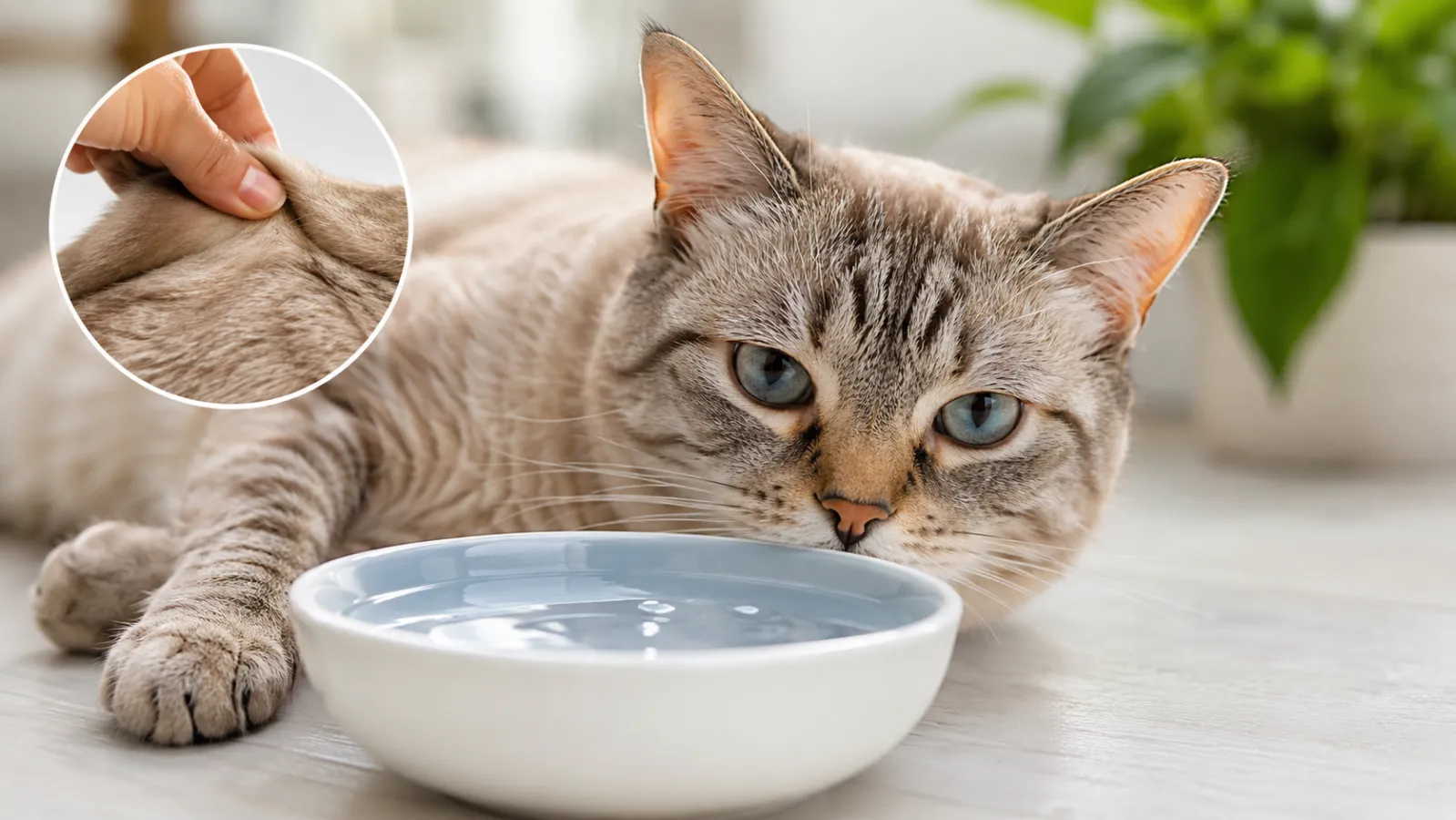
Early kidney disease may produce few noticeable symptoms. As the condition progresses, cats may drink more water, urinate more frequently, lose weight, experience reduced appetite, or become less energetic.
Regular veterinary screening is particularly valuable because kidney disease can sometimes be detected through blood and urine testing before severe symptoms develop.
Treatment depends on the individual cat and may include dietary changes, hydration support, medications, and other veterinary recommendations.
Keeping fresh water available at all times is especially important. Some cats prefer running water from a fountain, while others drink more readily from wide, shallow bowls placed in convenient locations.
Dental Health Matters
Dental disease is another major concern for senior cats. Plaque and tartar can contribute to gum inflammation, periodontal disease, pain, infection, and difficulty eating.
Cats are remarkably good at hiding oral discomfort. A cat may continue eating even when its mouth hurts, so a normal appetite does not necessarily mean that its teeth are healthy.
Potential warning signs include:
- Bad breath
- Red or swollen gums
- Drooling
- Difficulty chewing
- Dropping food
- Pawing at the mouth
- Reduced interest in dry food
- Loose or damaged teeth
Regular dental examinations should be part of senior cat care. Your veterinarian can determine whether professional dental cleaning or other treatment is necessary.
At home, owners can discuss appropriate dental-care routines with their veterinary team. Dental diets, dental treats, brushing, and other products may help depending on the cat's individual needs.
Vision Changes in Senior Cats
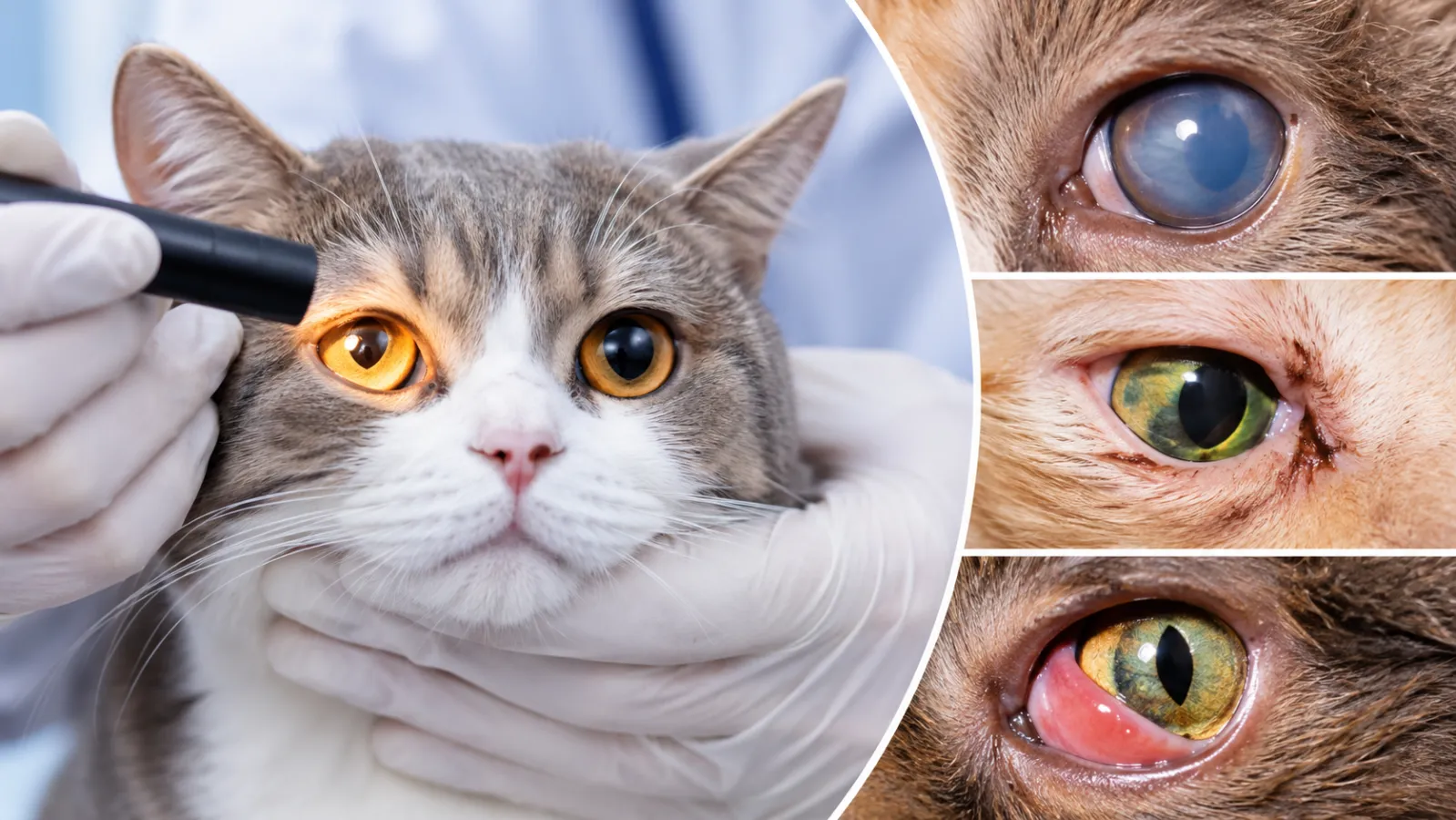
Some older cats develop changes in vision. Cloudiness in the eyes, difficulty navigating familiar areas, bumping into objects, or hesitating on stairs may indicate a vision problem.
Sudden vision changes should receive prompt veterinary attention because they can sometimes be associated with conditions such as high blood pressure or other medical problems.
If your cat's vision gradually declines, keep the home environment predictable. Avoid moving furniture unnecessarily, keep food and water in familiar locations, and make sure pathways remain clear.
Do not assume that a senior cat is simply becoming clumsy. A noticeable change in vision deserves professional evaluation.
Nutrition for Aging Cats
Nutrition becomes increasingly important as cats age. However, there is no single diet that is perfect for every senior cat.
Some older cats gain weight because they become less active, while others lose weight because of dental problems, kidney disease, hyperthyroidism, reduced appetite, or other conditions.
A senior cat's diet should provide appropriate levels of high-quality protein, calories, essential nutrients, and moisture based on the cat's health and lifestyle.
Senior cat food can be useful because some formulas are designed specifically for the nutritional needs of older cats. However, the best food depends on the individual animal.
Cats with diagnosed medical conditions may require therapeutic diets recommended by a veterinarian.
Wet food can also contribute to daily water intake, which may be particularly useful for cats that do not drink much. However, dietary changes should generally be introduced gradually rather than suddenly.
If an older cat refuses food, loses weight unexpectedly, or develops a major change in appetite, contact a veterinarian rather than simply switching foods repeatedly.
Exercise for Senior Cats
Getting older does not mean that a cat should stop exercising. In fact, gentle activity can help support mobility, muscle strength, healthy body weight, and mental stimulation.
Senior cats may not be interested in intense games for long periods. Instead, provide short, low-impact play sessions throughout the day.
Good options can include:
- Interactive wand toys
- Soft toys
- Treat puzzles
- Gentle chasing games
- Short climbing activities
- Food-based enrichment
Let your cat determine the pace. If jumping becomes difficult, move toys closer to the floor and avoid activities that require repeated high jumps.
Exercise should be enjoyable rather than exhausting. If your cat suddenly becomes unwilling to move or appears painful during activity, veterinary evaluation is appropriate.
Routine Veterinary Screenings
Routine veterinary examinations become increasingly important as cats age. A healthy-looking senior cat can still have an underlying condition that is not obvious at home.
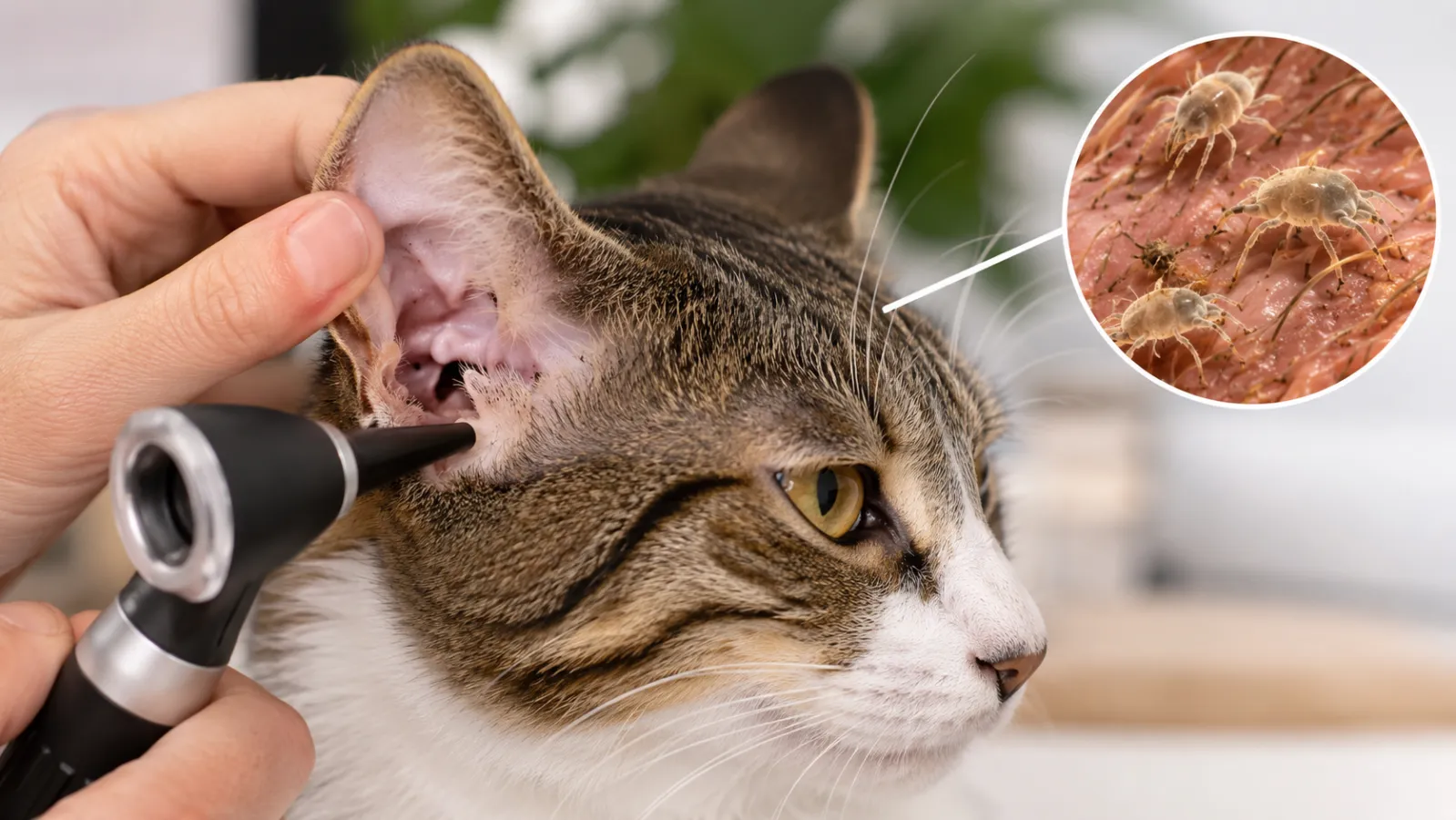
During a senior wellness visit, the veterinarian may evaluate weight, body condition, teeth, eyes, heart, lungs, joints, hydration, and overall behavior. Depending on the cat's age and health history, blood work, urinalysis, blood pressure measurement, thyroid testing, or other diagnostic tests may be recommended.
Regular screenings provide a baseline for comparison. If a test result changes over time, your veterinarian may be able to identify a developing problem earlier.
Ask your veterinary team how frequently your senior cat should be examined. Older cats and cats with existing health problems may benefit from more frequent monitoring.
Making the Home More Comfortable
Small changes around the house can have a major impact on an aging cat's comfort.
An older cat may struggle with the same household setup that worked perfectly when they were younger. Fortunately, many adjustments are inexpensive and simple.
Provide Comfortable Beds
Orthopedic beds can offer additional cushioning for aging joints. Place beds in quiet, warm areas where your cat already likes to rest.
Some cats appreciate having several resting options throughout the home.
Use Low-Entry Litter Boxes
A senior cat with arthritis may find it difficult to climb into a litter box with high sides. A low-entry litter box can make access easier.
Place litter boxes in convenient locations, particularly if your home has multiple floors. Your cat should not have to climb a long staircase to reach one.
Keep litter boxes clean and easy to access. A sudden change in litter box habits should be discussed with a veterinarian because it can sometimes indicate pain or illness.
Make Food and Water Accessible
Food and water should be positioned where your cat can reach them comfortably. If bending down seems uncomfortable, ask your veterinarian whether an elevated feeding arrangement would be appropriate.
Avoid placing essential resources in locations that require difficult jumps or stairs.
Keep the Environment Predictable
Older cats often benefit from consistency. Try to keep food, water, litter boxes, beds, and favorite resting areas in familiar places.
If your cat develops vision or cognitive changes, a predictable environment can make daily life less stressful.
Watch for Changes in Behavior
Behavior is one of the most useful indicators of senior cat health.
Changes such as increased vocalization, nighttime restlessness, confusion, hiding, aggression, reduced interaction, or changes in grooming should not automatically be dismissed as old age.
Some behavioral changes can be associated with pain, thyroid disease, hypertension, cognitive decline, vision problems, or other medical conditions.
Keep a simple record of your cat's eating, drinking, litter box use, weight, activity, and behavior. Even small changes can become meaningful when tracked over time.
When Senior Cat Symptoms Are an Emergency
Some symptoms require prompt veterinary attention rather than routine monitoring.
Seek urgent veterinary care if your cat experiences:
- Difficulty breathing
- Collapse or severe weakness
- Sudden inability to walk
- Sudden loss of vision
- Repeated vomiting
- Severe or persistent pain
- Inability to urinate
- Significant bleeding
- Severe difficulty eating or swallowing
- Sudden major changes in consciousness or behavior
Cats can deteriorate quickly when seriously ill. When you are unsure whether a symptom is an emergency, contacting a veterinary professional is safer than waiting for it to resolve on its own.
Building a Senior Cat Care Routine
Caring for an older cat becomes easier when health monitoring is incorporated into everyday life.
You can regularly check:
- Appetite and water intake
- Body weight
- Grooming habits
- Mobility
- Litter box habits
- Dental health
- Sleeping patterns
- Energy levels
- Social behavior
- Ability to jump and climb
These observations do not replace veterinary examinations, but they can help you recognize changes sooner.
A kitchen scale or pet scale can also be useful for monitoring weight. Even gradual weight loss can be important in an older cat, particularly when it is unexplained.
Final Thoughts
Senior cat health is about more than preventing disease. It is about helping an aging cat remain comfortable, active, mentally stimulated, and connected to the people they trust.
Regular veterinary screenings can help identify age-related diseases early. Proper nutrition supports overall health, while gentle exercise helps maintain mobility. Dental care, vision monitoring, comfortable bedding, low-entry litter boxes, and accessible food and water can make everyday life easier.
Most importantly, pay attention to changes. Cats often hide pain and illness, so subtle differences in behavior can be meaningful. A cat that stops jumping, grooms less, drinks more, loses weight, or becomes unusually quiet may be communicating that something is wrong.
With attentive care and appropriate veterinary support, aging does not have to mean a lower quality of life. By adapting the home, monitoring health, and responding early to changes, cat owners can help their senior companions enjoy their later years with greater comfort, dignity, and companionship.