Introduction:-
Cats are beloved companions that bring comfort, joy, and companionship to families worldwide. However, maintaining their health requires consistent daily care. Following practical cat health tips can help prevent common health problems, support healthy growth, and improve your cat's overall happiness.
Whether you are a parent teaching children about pet responsibility, an educator caring for classroom pets, or a cat owner looking for better care practices, understanding simple daily habits can make a significant difference. This guide explains easy and effective ways to keep your cat healthy every day.
Section 1: Core Explanation
What Does Daily Cat Health Care Mean?
Daily cat health care refers to the routine habits and practices that help maintain a cat's physical and mental well-being. These activities include feeding proper nutrition, ensuring hydration, encouraging movement, maintaining hygiene, and monitoring for signs of illness.
Cats are naturally independent animals, but they still depend on their owners for essential care. Small daily actions can help detect problems early and prevent more serious health issues in the future.
Why Is Daily Cat Care Important?
Regular care supports:
- Strong immune function
- Healthy weight management
- Better digestion
- Healthy skin and coat
- Improved mental stimulation
- Longer lifespan
Consistent care also helps owners notice changes in behavior, appetite, or energy levels that may indicate health concerns.
Section 2: Detailed Breakdown
1. Provide a Balanced Diet
Nutrition is the foundation of good health.
Daily feeding tips:
- Choose high-quality cat food appropriate for your cat's age.
- Follow recommended portion sizes.
- Avoid excessive treats.
- Provide a mix of nutrients including protein, vitamins, and minerals.
- Consult a veterinarian for special dietary needs.
2. Ensure Fresh Water Availability
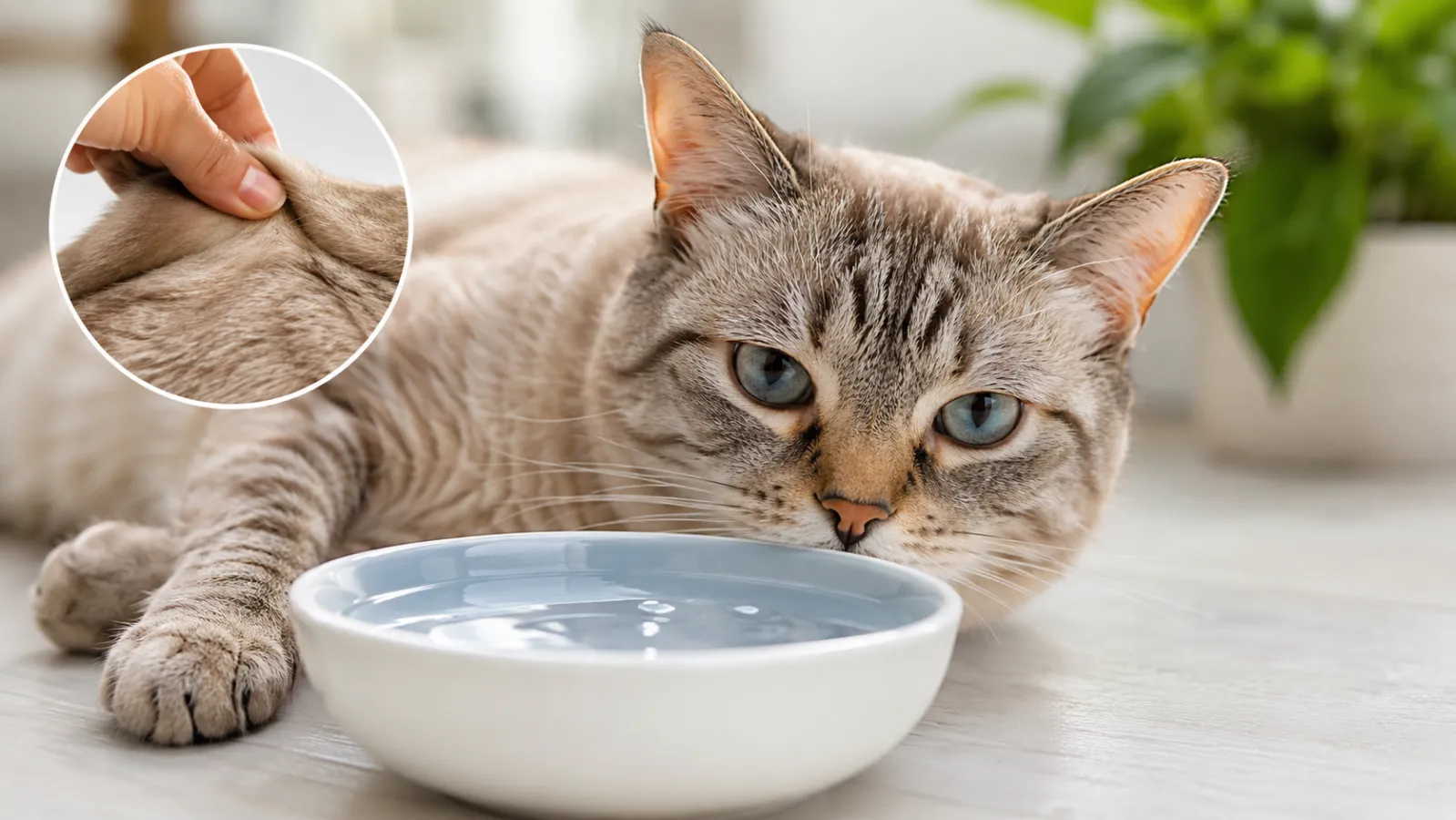
Cats need constant access to clean water.
Best practices:
- Refill water bowls daily.
- Wash bowls regularly.
- Place water sources in multiple locations.
- Consider a cat water fountain to encourage drinking.
3. Encourage Daily Exercise
Physical activity helps maintain a healthy weight and prevents boredom.
Simple exercise ideas:
- Interactive toys
- Feather wands
- Ball chasing games
- Climbing trees
- Puzzle feeders
Aim for at least 15–30 minutes of active play each day.
4. Maintain a Clean Environment
A clean home supports better health.
Daily tasks include:
- Cleaning litter boxes
- Removing waste promptly
- Washing food and water dishes
- Keeping sleeping areas clean
Clean environments reduce stress and lower the risk of infections.
5. Groom Your Cat Regularly
Grooming helps maintain skin and coat health.
Benefits include:
- Reduced shedding
- Fewer hairballs
- Early detection of skin issues
- Better coat condition
Long-haired cats may require more frequent brushing than short-haired cats.
6. Monitor Health and Behavior
Observe your cat every day.
Watch for:
- Changes in appetite
- Weight loss or gain
- Excessive sleeping
- Vomiting
- Difficulty walking
- Unusual behavior
Early detection often leads to more effective treatment.
7. Schedule Preventive Veterinary Care
Even healthy cats need routine checkups.
Preventive care may include:
- Vaccinations
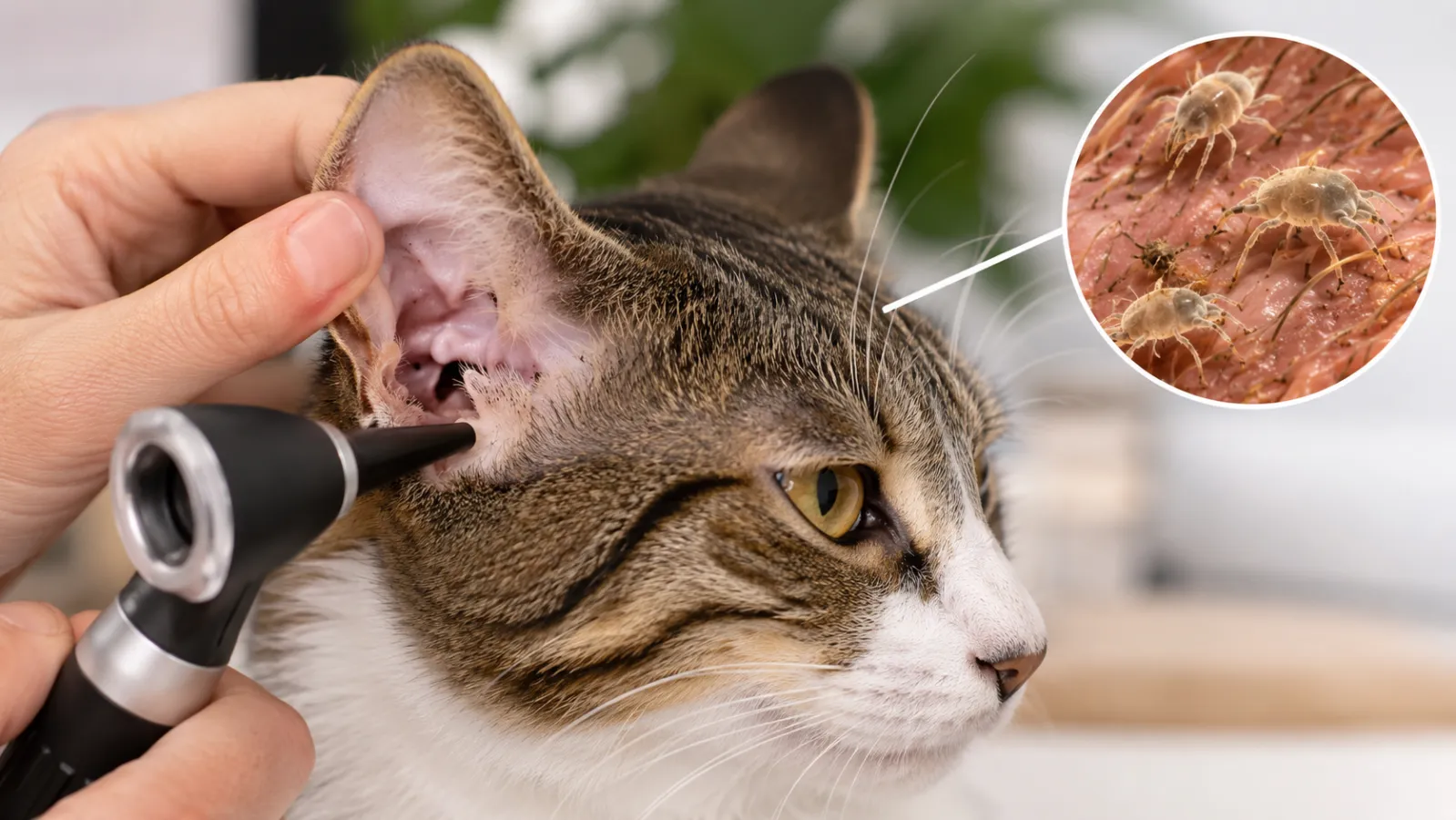
- Parasite control
- Dental examinations
- Wellness screenings
Regular visits help identify hidden health issues before they become serious.
Section 3: Examples / Use Cases
Example 1: Busy Parent with an Indoor Cat
A parent spends 20 minutes each evening playing with their cat using interactive toys. Combined with proper feeding and fresh water, the cat maintains a healthy weight and remains active.
Example 2: Teacher Caring for a Family Pet
A teacher creates a daily checklist that includes feeding, litter box cleaning, and grooming. This routine helps ensure consistent care and allows quick identification of any health concerns.
Example 3: First-Time Cat Owner
A new cat owner schedules annual veterinary visits, monitors food intake, and brushes their cat several times each week. These simple habits contribute to improved health and reduced medical problems.
Section 4: Benefits / Outcomes
Following daily cat health practices offers many advantages:
- Improved overall health
- Stronger immune system
- Better weight management
- Reduced risk of disease
- Healthier skin and coat
- Fewer behavioral problems
- Better mental stimulation
- Longer lifespan
- Lower veterinary expenses over time
- Stronger bond between owner and pet
Section 5: Common Mistakes
Overfeeding
Many owners provide too much food or too many treats, leading to obesity and related health issues.
Ignoring Water Intake
Insufficient hydration can contribute to urinary and kidney problems.
Lack of Exercise
Indoor cats especially need regular activity to stay physically fit.
Skipping Veterinary Visits
Waiting until a cat appears sick may allow health problems to worsen.
Neglecting Dental Care
Poor dental hygiene can lead to pain, infections, and other health complications.
Ignoring Behavioral Changes
Changes in behavior are often early warning signs of illness and should not be overlooked.
Section 6: Tools / Tips / Frameworks
Daily Cat Health Checklist
Use this simple framework:
Feed
- Provide balanced meals
- Monitor portion sizes
Hydrate
- Refresh water daily
- Check water consumption
Play
- Schedule active play sessions
- Rotate toys for variety
Clean
- Scoop litter boxes
- Wash bowls
Observe
- Check appetite and behavior
- Watch for unusual symptoms
Helpful Tools
- Automatic feeders
- Water fountains
- Cat grooming brushes
- Interactive toys
- Puzzle feeders
- Health tracking apps
- Digital pet scales
AI-Assisted Pet Care Tools
Modern pet care apps can help owners:
- Track feeding schedules
- Monitor weight changes
- Record veterinary visits
- Set medication reminders
- Maintain health records
Key Takeaways
- Balanced nutrition is essential for long-term cat health.
- Fresh Water should always be available.
- Daily exercise supports physical and mental well-being.
- Clean litter boxes and living spaces reduce health risks.
- Regular grooming helps maintain healthy skin and coat.
- Monitoring behavior can reveal health issues early.
- Preventive veterinary care improves long-term outcomes.
- Simple daily routines can significantly extend a cat's quality of life.
FAQ Section
How often should I feed my cat?
Most adult cats are fed one to two meals daily, depending on their age, activity level, and dietary needs.
How much water should a cat drink each day?
Water needs vary, but cats should always have access to fresh, clean water throughout the day.
How can I tell if my cat is healthy?
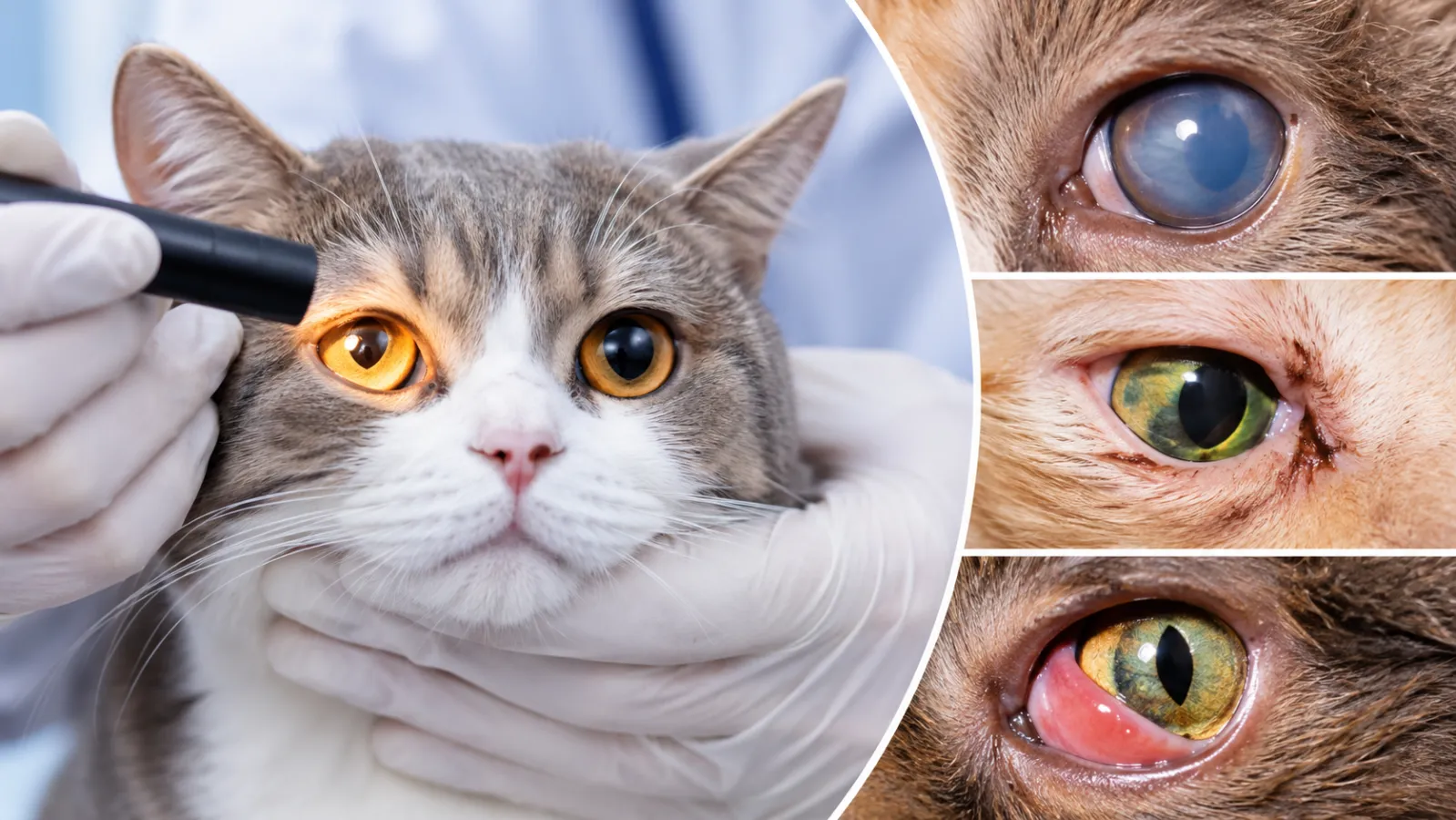
A healthy cat typically has a good appetite, normal energy levels, a clean coat, bright eyes, and regular litter box habits.
How much exercise does a cat need daily?
Most cats benefit from 15–30 minutes of active play and movement each day.
How often should cats visit a veterinarian?
Most healthy adult cats should have at least one wellness examination annually, while senior cats may need more frequent visits.
Why is grooming important for cats?
Grooming helps remove loose hair, reduces hairballs, improves coat health, and allows owners to identify potential skin problems early.
Conclusion
Keeping your cat healthy does not require complicated routines. Simple daily habits such as providing nutritious food, fresh water, regular exercise, grooming, and preventive care can greatly improve your cat's health and happiness. By following these practical cat health tips, you can support a longer, healthier, and more comfortable life for your feline companion.
Start implementing these daily practices today and create a healthier future for your cat.