Digestive problems are among the most common health concerns faced by cat owners. Vomiting, diarrhea, constipation, excessive hairballs, changes in appetite, and unusual stools can all indicate that something is not quite right with a cat’s digestive system. Sometimes the cause is minor, such as eating something unusual or experiencing a sudden food change. In other situations, digestive symptoms can be linked to parasites, food intolerance, inflammatory bowel disease, intestinal blockage, or another underlying medical condition.
Understanding the possible causes can help cat owners recognize problems early and make informed decisions about home care and veterinary treatment. Because cats can become dehydrated quickly when they vomit or have diarrhea, digestive symptoms should never be ignored when they are severe, persistent, or accompanied by other warning signs.
This guide explains common digestive disorders in cats, food intolerance, hairballs, parasites, hydration, diet changes, home care, emergency symptoms, and the types of treatment a veterinarian may recommend.
1. Recognize the Common Signs of Digestive Problems
A cat’s digestive system is responsible for breaking down food, absorbing nutrients, moving food through the gastrointestinal tract, and eliminating waste. When something interferes with these processes, different symptoms may appear.
Common digestive symptoms include:
- Vomiting
- Diarrhea or loose stools
- Constipation
- Straining in the litter box
- Reduced appetite
- Excessive gas
- Abdominal discomfort
- Bloating
- Weight loss
- Blood or mucus in the stool
- Increased or decreased frequency of bowel movements
- Excessive licking or grooming
- Repeated retching
Vomiting is particularly important to monitor because it is a symptom rather than a specific disease. Cats can vomit because of stomach irritation, dietary problems, hairballs, infections, parasites, foreign objects, or diseases affecting organs outside the digestive system.
An occasional episode in an otherwise healthy cat may not always indicate a serious problem. However, repeated vomiting, vomiting combined with weakness or loss of appetite, or vomiting that continues should be evaluated by a veterinarian.
2. Understand Common Digestive Disorders
Several digestive disorders can affect cats at different stages of life.
Gastritis and Gastroenteritis
Gastritis involves inflammation of the stomach, while gastroenteritis involves inflammation of the stomach and intestines. These conditions may result in vomiting, diarrhea, reduced appetite, abdominal discomfort, and dehydration.
Possible triggers include infections, spoiled food, dietary indiscretion, medications, toxins, and other medical conditions.
Inflammatory Bowel Disease
Feline inflammatory bowel disease, commonly called IBD, occurs when inflammatory cells affect the gastrointestinal tract. It can interfere with normal digestion and nutrient absorption.
Signs may include:
- Chronic vomiting
- Recurrent diarrhea
- Weight loss
- Reduced appetite
- Bloody stools
- Lethargy
IBD is more commonly diagnosed in middle-aged and older cats, although cats of different ages can be affected. Diagnosis and treatment usually require veterinary evaluation, and dietary management may be an important part of long-term care.
Constipation
Constipation occurs when a cat has difficulty passing hard, dry stool or does not pass stool normally. Dehydration, hair ingestion, obesity, lack of activity, certain diseases, medications, and intestinal problems can contribute to constipation.
Repeated or severe constipation should not be treated casually because chronic cases can progress to megacolon, a condition in which the colon becomes enlarged and loses its ability to move feces effectively.
3. Food Intolerance Can Cause Digestive Upset
Food intolerance is another possible explanation for recurring digestive problems. It is different from a true food allergy.
Food intolerance generally refers to an adverse reaction that does not involve the immune system and may primarily cause digestive symptoms. Cats may experience vomiting, diarrhea, bloating, or abdominal discomfort after consuming certain foods. Lactose intolerance, for example, can cause digestive upset after a cat consumes milk or other dairy products.
A true food allergy involves an immune response, usually to a protein in the diet. Some cats with food allergies experience digestive problems as well as skin symptoms such as itching.
If a food allergy is suspected, veterinarians may recommend an elimination diet trial. This usually involves feeding a specific veterinary diet containing a novel or hydrolyzed protein for a controlled period while eliminating other foods, treats, and flavored products.
Owners should avoid repeatedly switching foods on their own in an attempt to discover the problem. Keeping a detailed record of what the cat eats and when symptoms occur can be much more useful.
4. Hairballs Are Common, but They Are Not Always Harmless
Cats naturally swallow hair while grooming themselves. Much of this hair passes through the digestive tract and leaves the body in the stool. Some hair, however, collects in the stomach and is eventually vomited as a hairball.
Occasional hairballs can occur in healthy cats, particularly in long-haired cats and during periods of increased shedding. However, frequent vomiting or repeated unproductive retching should not automatically be blamed on hairballs.
A large mass of hair can potentially obstruct the gastrointestinal tract, which can become a serious or even life-threatening problem. Cornell University recommends veterinary attention for cats that are lethargic, refuse food, repeatedly vomit, or repeatedly retch without producing a hairball.
Regular grooming can help reduce the amount of loose hair a cat swallows. Daily brushing may be particularly helpful for long-haired cats.
Do not give laxatives or commercial hairball remedies without veterinary guidance, especially if an obstruction is possible.
5. Parasites Can Affect the Digestive System
Gastrointestinal parasites are another important cause of digestive symptoms in cats. Common parasites include roundworms, hookworms, tapeworms, Giardia, and coccidia.
Parasite infections can cause:
- Vomiting
- Diarrhea
- Weight loss
- Poor appetite
- Dehydration
- Mucus or blood in the stool
- A dull coat
- Poor growth in kittens
Some parasites are more common in kittens, outdoor cats, hunting cats, and cats exposed to contaminated environments. Cornell notes that gastrointestinal parasites can be common in cats and that some parasites can also affect humans, making good hygiene important.
Veterinarians may diagnose parasites through stool testing and prescribe appropriate deworming or other medications. Preventing reinfection also involves litter-box hygiene, proper sanitation, flea control, and reducing exposure to contaminated environments.
6. Hydration Is Essential for Digestive Health
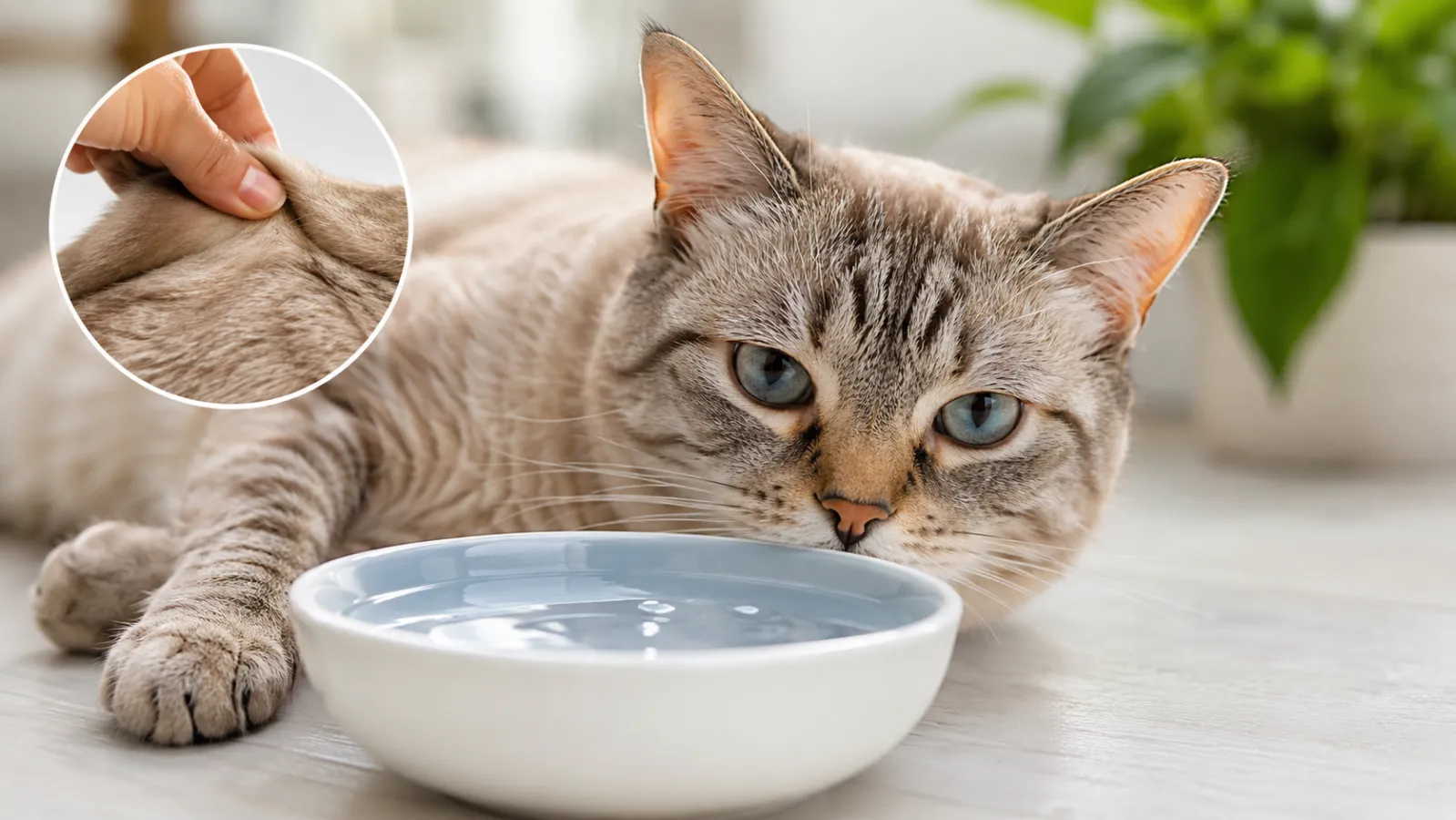
Hydration plays a major role in normal digestion and bowel movements. Cats experiencing vomiting or diarrhea can lose significant amounts of fluid, increasing their risk of dehydration.
Constipated cats can also benefit from appropriate hydration because insufficient fluid can contribute to harder stools.
Always provide fresh, clean water. Some cats drink more readily from fountains or moving water, while others prefer specific bowl shapes or locations. Wet food can also contribute substantially to daily water intake because canned foods generally contain high levels of moisture.
If a cat is severely dehydrated, simply placing another bowl of water nearby may not be enough. Veterinary treatment may be necessary to replace fluids safely.
Electrolytes are sometimes used in veterinary medicine when fluid and electrolyte losses are significant, but owners should not automatically give human electrolyte drinks or sports beverages to cats. The appropriate fluid replacement depends on the cat’s condition and should be determined by a veterinarian.
7. Make Diet Changes Slowly
Sudden dietary changes can cause digestive upset. A cat that has eaten the same food for a long time may develop vomiting, diarrhea, or food refusal if a completely different diet is introduced too quickly.
When changing foods, transition gradually rather than replacing the old food overnight. A slow transition gives the digestive system and the cat’s preferences time to adjust. Some cats may need longer than a week or two to comfortably accept a new diet.
A sensitive-stomach diet may be appropriate for some cats with digestive problems, but there is no single diet that works for every cat.
Veterinary gastrointestinal diets may be formulated to be highly digestible and nutritionally appropriate for cats experiencing certain digestive conditions. In cases involving suspected food allergies, a veterinarian may instead recommend a hydrolyzed or novel-protein diet.
8. Consider Probiotics Carefully
Probiotics are supplements containing live microorganisms that may help support the normal population of beneficial microorganisms in the gastrointestinal tract.
Veterinarians may recommend probiotics in certain situations, including some cases of diarrhea, digestive disruption, antibiotic use, or stress-related gastrointestinal problems.
However, not every probiotic product is appropriate for cats, and supplements should not replace diagnosis of an underlying problem.
If you are considering a probiotic, ask your veterinarian which product, dose, and duration are appropriate for your cat.
9. What About Pumpkin Puree?
Pumpkin is sometimes recommended as a source of dietary fiber for cats with certain bowel problems. Fiber can influence stool consistency and intestinal movement, and veterinary guidance may sometimes include fiber supplementation.
However, pumpkin is not a universal treatment for diarrhea or constipation.
Too much fiber can cause problems of its own, and the appropriate amount depends on the cat’s condition, diet, hydration status, and underlying cause. Cornell notes that fiber sources such as canned pumpkin or psyllium may be used in constipation management, but fiber supplementation needs to be appropriate to the individual case.
If your cat has repeated constipation, severe diarrhea, vomiting, or suspected intestinal blockage, pumpkin should not be used as a substitute for veterinary care.
10. Know When Digestive Symptoms Are an Emergency
Some digestive symptoms require prompt veterinary attention.
Contact a veterinarian promptly if your cat has:
- Repeated or severe vomiting
- Repeated unproductive retching
- Severe or persistent diarrhea
- Blood in vomit or stool
- Black, tarry stool
- Severe abdominal pain
- A swollen or distended abdomen
- Extreme weakness or lethargy
- Signs of dehydration
- Complete refusal to eat
- Difficulty passing stool
- Repeated straining in the litter box
- Suspected ingestion of a foreign object or toxin
- Sudden deterioration
Black, tarry feces can indicate bleeding in the upper digestive tract, while severe vomiting or diarrhea can lead to dehydration and electrolyte disturbances.
One especially important point for cat owners is that repeated straining in the litter box may not always mean constipation. Urinary obstruction can also cause repeated attempts to urinate and is a potentially life-threatening emergency, particularly in male cats.
When you are unsure whether a symptom is serious, contacting a veterinarian is safer than waiting for the problem to resolve.
11. Safe Home Care for Mild Digestive Upset
For an otherwise healthy adult cat with a mild, short-lived digestive upset, your veterinarian may recommend supportive care at home.
Depending on the situation, this may include:
- Providing constant access to fresh water
- Feeding small, appropriate meals
- Using a veterinarian-recommended gastrointestinal diet
- Avoiding table scraps
- Avoiding sudden food changes
- Monitoring litter-box activity
- Recording vomiting or diarrhea episodes
- Checking appetite and energy levels
- Grooming regularly to reduce swallowed hair
Do not give human medications unless your veterinarian specifically tells you to do so. Many medications that are safe for humans can be dangerous to cats.
Similarly, avoid experimenting with multiple supplements, laxatives, anti-diarrheal medications, or home remedies at the same time. Doing so can make symptoms worse or make it harder for your veterinarian to determine what caused the problem.
12. What Veterinary Treatment May Involve
Veterinary treatment depends entirely on the underlying cause.
During an examination, the veterinarian may ask about your cat’s diet, drinking habits, litter-box behavior, vomiting frequency, stool appearance, medications, lifestyle, and possible exposure to toxins or foreign objects.
Depending on the symptoms, diagnostic testing may include:
- Physical examination
- Blood tests
- Fecal testing
- Parasite testing
- X-rays
- Ultrasound
- Additional gastrointestinal testing
VCA notes that cats with diarrhea may require bloodwork, fecal testing, imaging, infectious-disease testing, or other diagnostic procedures when symptoms persist or worsen.
Treatment could include dietary modification, deworming medication, probiotics, fluids, anti-nausea medication, treatment for an underlying disease, laxatives under veterinary supervision, or surgery when an obstruction or severe intestinal problem is present.
For constipation, treatment may involve hydration, dietary modification, laxatives, enemas performed appropriately, medications that improve intestinal movement, or surgery in severe cases such as advanced megacolon.
Final Thoughts
Digestive problems in cats can range from a temporary upset stomach to a sign of a serious underlying disease. Vomiting, diarrhea, constipation, hairballs, food intolerance, and parasites are all relatively common concerns, but the symptoms alone do not always reveal the true cause.
The best approach is to pay attention to changes in appetite, water consumption, stool, vomiting, grooming, weight, and litter-box habits. Good hydration, gradual diet changes, appropriate nutrition, regular grooming, parasite prevention, and veterinary checkups can all support better digestive health.
Home care can sometimes help with mild digestive upset, but it should never replace professional care when symptoms are severe, persistent, recurrent, or accompanied by warning signs. Pumpkin puree, probiotics, sensitive-stomach diets, and electrolyte therapy may have a role in specific situations, but they should be used appropriately rather than as universal remedies.
Most importantly, know your cat’s normal behavior. When you recognize what is normal for your individual cat, you are more likely to notice digestive changes early. Early veterinary attention can make diagnosis easier, prevent dehydration and complications, and give your cat the best opportunity for a healthy and comfortable life.
This article is intended for general educational purposes for cat owners in North America and is not a substitute for diagnosis or treatment from a licensed veterinarian. If your cat is experiencing severe, persistent, or worsening digestive symptoms, contact a veterinary professional promptly.