A cat losing weight without an obvious reason should never be ignored. Cats are naturally good at hiding signs of illness, so a gradual change in body weight may be one of the first clues that something is wrong. Sometimes weight loss can be linked to a simple change in diet, stress, or reduced appetite. However, it can also be associated with medical conditions such as hyperthyroidism, diabetes, kidney disease, gastrointestinal disorders, dental problems, parasites, or cancer.
For cat owners in North America, understanding the possible causes of unexplained weight loss can help you recognize warning signs early and know when professional veterinary care is needed. The most important step is not simply trying to make your cat gain weight—it is finding out why the weight is being lost in the first place.
1. How to Tell If Your Cat Is Losing Too Much Weight
Because you see your cat every day, gradual weight loss can be difficult to notice. A cat may lose a meaningful amount of body weight before its appearance seems dramatically different.
You may notice:
- Ribs, spine, or hip bones becoming easier to feel
- A thinner appearance around the waist
- Reduced muscle over the back or hind legs
- A looser collar or harness
- Clothes or accessories fitting differently
- Less energy or interest in normal activities
- Changes in appetite
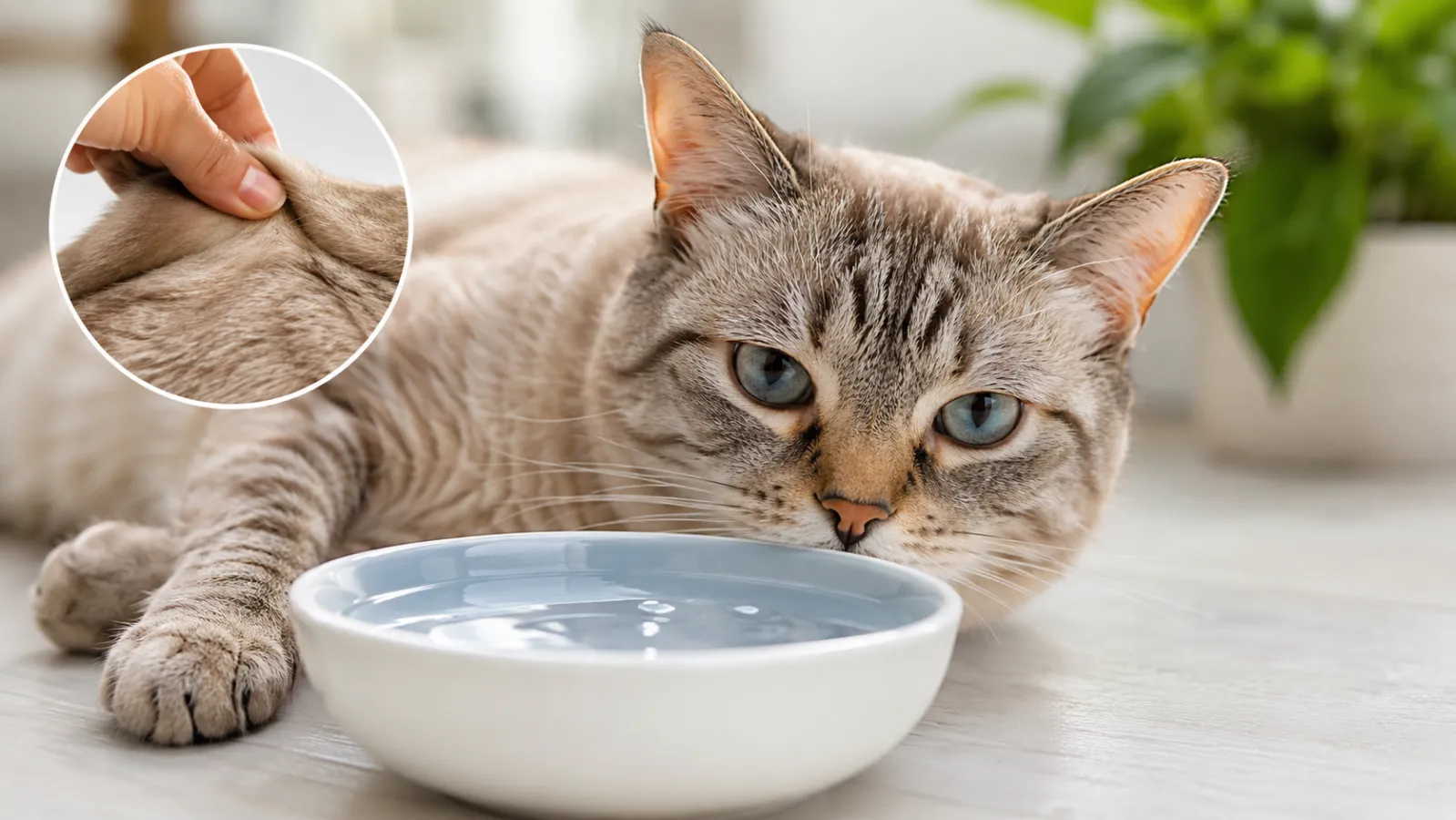
- Changes in drinking or urination
- Vomiting or diarrhea
- A dull, greasy, or poorly groomed coat
Regular weight monitoring can make changes much easier to identify. Cornell University College of Veterinary Medicine recommends monthly weighing because gradual weight loss can be difficult for owners to recognize when they see their cat every day.
If your cat is losing weight despite eating normally—or even eating more than usual—that is particularly important to discuss with a veterinarian.
2. Common Causes of Weight Loss in Cats
Weight loss is a symptom rather than a disease. Many different conditions can cause it, which is why diagnosing the underlying problem is so important.
Common possibilities include:
- Dental disease
- Poor appetite
- Hyperthyroidism
- Diabetes mellitus
- Kidney disease
- Liver or pancreatic disease
- Gastrointestinal disorders
- Intestinal parasites
- Chronic infections
- Cancer
- Difficulty chewing or swallowing
- Stress or environmental changes
- Problems with nutrient absorption
Veterinary sources note that disorders affecting the kidneys, liver, pancreas, gastrointestinal tract, heart, and other organs can contribute to unexplained weight loss.
Age also matters. Older cats are more likely to develop conditions such as hyperthyroidism, diabetes, kidney disease, inflammatory bowel disease, and cancer.
This does not mean that every thin senior cat has a serious illness, but unexplained weight loss deserves closer attention.
3. Appetite Changes Can Provide Important Clues
One of the first questions a veterinarian will ask is whether your cat's appetite has changed.
Weight loss combined with a reduced appetite can point toward problems such as dental disease, gastrointestinal disease, kidney disease, infection, pain, or other illnesses.
Some cats may approach their food bowl but eat very little. Others may completely lose interest in food.
A cat that wants to eat but struggles to do so may have dental or oral pain. Dental disease is particularly common in older cats and can make eating uncomfortable.
On the other hand, some medical conditions cause weight loss even when appetite remains strong.
This is an important distinction:
Weight loss + increased appetite can occur with conditions such as hyperthyroidism and diabetes.
Weight loss + reduced appetite can occur with many illnesses, including dental, kidney, gastrointestinal, infectious, and other systemic problems.
A sustained loss of appetite should be taken seriously. Cornell notes that prolonged food avoidance can have severe consequences for cats and can occur with numerous medical conditions.
4. Digestive Disorders Can Cause Weight Loss
The digestive system plays a major role in maintaining body weight. If your cat cannot properly digest food or absorb nutrients, weight loss can occur even when the cat is eating.
Possible gastrointestinal causes include:
- Inflammatory bowel disease
- Chronic vomiting
- Chronic diarrhea
- Intestinal parasites
- Food-related problems
- Intestinal inflammation
- Pancreatic disorders
- Intestinal tumors
Signs that may accompany digestive-related weight loss include vomiting, diarrhea, changes in stool, reduced appetite, abdominal discomfort, and lethargy.
Inflammatory bowel disease, for example, can be associated with loss of appetite, vomiting, diarrhea, and weight loss in cats.
Parasites can also contribute to weight loss, particularly in kittens and cats with exposure to environments where parasites are present. A veterinarian may recommend fecal testing as part of the diagnostic process.
If your cat has recurring vomiting or diarrhea rather than an isolated episode, veterinary evaluation is especially important.
5. Hyperthyroidism: A Common Cause in Older Cats
Hyperthyroidism is one of the important causes of unexplained weight loss in middle-aged and older cats.
The condition occurs when the thyroid gland produces excessive amounts of thyroid hormones. These hormones increase the body's metabolic activity, meaning the cat can burn energy unusually quickly.
A classic pattern is:
Weight loss + increased appetite + increased thirst and urination.
Other possible signs include:
- Restlessness
- Increased activity
- Increased vocalization
- Vomiting
- Diarrhea
- Poor coat condition
- Rapid heart rate
Cornell reports that weight loss, increased appetite, and increased thirst and urination are among the most common signs of feline hyperthyroidism.
Diagnosis commonly involves a physical examination and blood testing for thyroid hormone levels, particularly total T4. Additional testing may be recommended when results are unclear.
Treatment options can include medication, radioactive iodine therapy, surgery, or carefully managed dietary therapy. The best approach depends on the individual cat's health and circumstances.
6. Diabetes Can Cause Weight Loss Despite a Good Appetite
Diabetes mellitus is another important cause of unexplained weight loss.
When a cat cannot properly use glucose for energy, the body begins breaking down fat and protein to meet its energy requirements. As a result, the cat can lose weight even while eating normally or eating more than usual.
Watch for the combination of:
- Weight loss
- Increased appetite
- Increased thirst
- Increased urination
These symptoms can overlap with hyperthyroidism, which is why testing is important rather than trying to determine the cause at home.
Veterinarians diagnose diabetes using evidence of persistently elevated blood glucose together with glucose in the urine and compatible clinical signs. A fructosamine test may also help when stress-related increases in blood glucose make the diagnosis uncertain.
Treatment may involve insulin therapy, dietary management, weight management, and regular veterinary monitoring.
7. Could Cancer Be Causing Your Cat's Weight Loss?
Cancer is not the most likely explanation for every case of weight loss, but it is one possibility that veterinarians may need to consider, particularly in older cats or cats with additional warning signs.
Potential warning signs include:
- Unexplained weight loss
- Persistent loss of appetite
- Vomiting
- Diarrhea
- Unusual tiredness
- Reduced activity
- New lumps or masses
- Abdominal swelling
- Persistent mouth abnormalities
- Foul breath or excessive drooling
- Non-healing sores
- Changes in grooming behavior
Cornell identifies unintended weight loss as an important cancer warning sign while emphasizing that these symptoms can also occur with many other illnesses.
Digestive cancers can also cause vomiting, diarrhea, appetite loss, lethargy, and weight loss.
The important point is that weight loss does not automatically mean cancer. A veterinarian must consider the cat's age, history, physical examination findings, and diagnostic test results before determining the cause.
8. How Veterinarians Diagnose Unexplained Weight Loss
Finding the cause usually starts with a detailed history and physical examination.
Your veterinarian may ask:
- How long has your cat been losing weight?
- What food does your cat eat?
- How much does your cat normally eat?
- Has the appetite changed?
- Is your cat drinking more water?
- Is your cat urinating more frequently?
- Has vomiting or diarrhea occurred?
- Have there been changes in behavior?
- Is your cat taking any medications?
- Has your cat's environment or diet recently changed?
The veterinarian will then perform a physical examination, checking the mouth, teeth, heart, lungs, abdomen, body condition, muscles, and other areas.
Common screening tests may include:
Complete blood count (CBC): This evaluates blood cells and can provide clues about infection, inflammation, anemia, and other problems.
Blood chemistry panel: This can provide information about organs such as the liver and kidneys and may identify abnormalities associated with diabetes or other diseases.
Urinalysis: Urine testing can provide important information about kidney function, hydration, and diabetes.
Thyroid testing: Total T4 testing is commonly used when hyperthyroidism is suspected.
Fecal testing: A stool sample can help identify intestinal parasites.
VCA Animal Hospitals lists CBC, serum biochemistry, urinalysis, parasite testing, and thyroid hormone evaluation among common screening tests for cats with unexplained weight loss.
Depending on the initial findings, the veterinarian may recommend X-rays, ultrasound, specialized blood tests, or other diagnostic procedures.
9. Treatment Depends on the Underlying Cause
There is no single treatment for feline weight loss.
The goal is to treat the condition causing the weight loss while ensuring the cat receives adequate nutrition and supportive care.
For example:
Hyperthyroidism: Treatment may include medication, radioactive iodine therapy, surgery, or an appropriate therapeutic diet.
Diabetes: Treatment commonly involves insulin and dietary management.
Dental disease: Professional dental treatment may be necessary to address painful teeth or oral disease.
Parasites: Appropriate parasite treatment may be prescribed after testing or veterinary assessment.
Gastrointestinal disease: Treatment depends on the specific digestive disorder and may include dietary changes, medications, or additional therapy.
Cancer: Depending on the type and stage, treatment can include surgery, chemotherapy, radiation therapy, supportive care, or a combination of approaches.
The treatment plan should always be based on a veterinary diagnosis rather than simply trying to increase your cat's calorie intake.
10. Should You Give Your Cat a High-Calorie Diet?
A high-calorie diet may sometimes be useful for a cat that needs nutritional support, but it should not replace diagnosis and treatment.
Simply giving your cat more food may not solve the problem if the underlying cause is hyperthyroidism, diabetes, gastrointestinal disease, dental pain, kidney disease, or another medical condition.
Your veterinarian can recommend an appropriate food based on your cat's age, body condition, medical needs, and appetite.
In some cases, the priority may be encouraging food intake. In others, a specific therapeutic diet may be more appropriate.
Do not force-feed a sick cat or make major dietary changes without veterinary guidance. Cats can develop serious complications when they stop eating, so prolonged appetite loss should be addressed promptly.
11. How to Prevent Unexplained Weight Loss
Not every cause of weight loss can be prevented, but regular monitoring can help you identify problems earlier.
Make these habits part of your cat's routine:
Monitor body weight: Weigh your cat regularly and record the results. Monthly monitoring can make gradual changes easier to recognize.
Watch eating habits: Know how much your cat normally eats and look for sudden changes.
Monitor water consumption: Increased thirst can be an important clue for conditions such as diabetes and hyperthyroidism.
Pay attention to the litter box: Changes in urine or stool frequency, volume, consistency, or appearance can provide useful information.
Schedule veterinary examinations: Routine examinations are particularly important as cats age.
Maintain dental care: Oral discomfort can affect a cat's willingness or ability to eat.
Keep parasite prevention current: Follow your veterinarian's recommendations for parasite control and testing.
Know your cat's normal behavior: Changes in grooming, activity, hiding, vocalization, or social behavior can sometimes appear before obvious illness.
12. When Should You Call the Veterinarian?
Contact your veterinarian if you notice unexplained weight loss, especially if it continues or is accompanied by other symptoms.
Seek prompt veterinary attention if your cat is:
- Losing weight rapidly
- Refusing food
- Repeatedly vomiting
- Having persistent diarrhea
- Drinking or urinating much more than usual
- Extremely lethargic
- Having difficulty breathing
- Showing signs of significant pain
- Developing a new lump or swelling
- Showing major behavioral changes
A cat that suddenly stops eating deserves particular attention because prolonged food avoidance can become dangerous.
When in doubt, it is better to arrange a veterinary examination than to assume the weight loss is simply related to age or picky eating.
Final Thoughts
Unexplained weight loss is one of the most important health changes a cat owner should pay attention to. While a small fluctuation may not always indicate a serious problem, continued or noticeable weight loss can be an early sign of an underlying medical condition.
The causes range from dental and digestive problems to hyperthyroidism, diabetes, kidney disease, parasites, and cancer. Some cats lose their appetite, while others continue eating normally or even become hungrier. That difference can provide useful information, but it cannot replace professional diagnosis.
The best approach is simple: monitor your cat's weight, observe changes in appetite, drinking, urination, digestion, grooming, and behavior, and schedule a veterinary examination when unexplained weight loss occurs.
Blood tests, urine testing, fecal testing, thyroid evaluation, imaging, and other diagnostic procedures can help identify what is happening inside your cat's body. Once the underlying cause is found, appropriate treatment and nutritional support can help your cat regain health and maintain a better quality of life.
Your cat may not be able to tell you when something is wrong, but changes in body weight can be an important message. Paying attention early can make a meaningful difference.
Important: This article is for general educational purposes and is not a substitute for veterinary diagnosis or treatment. If your cat is losing weight unexpectedly, consult a licensed veterinarian, particularly if the weight loss is persistent, rapid, or accompanied by other symptoms.