
Active Dog Breeds for Outdoor Lifestyles
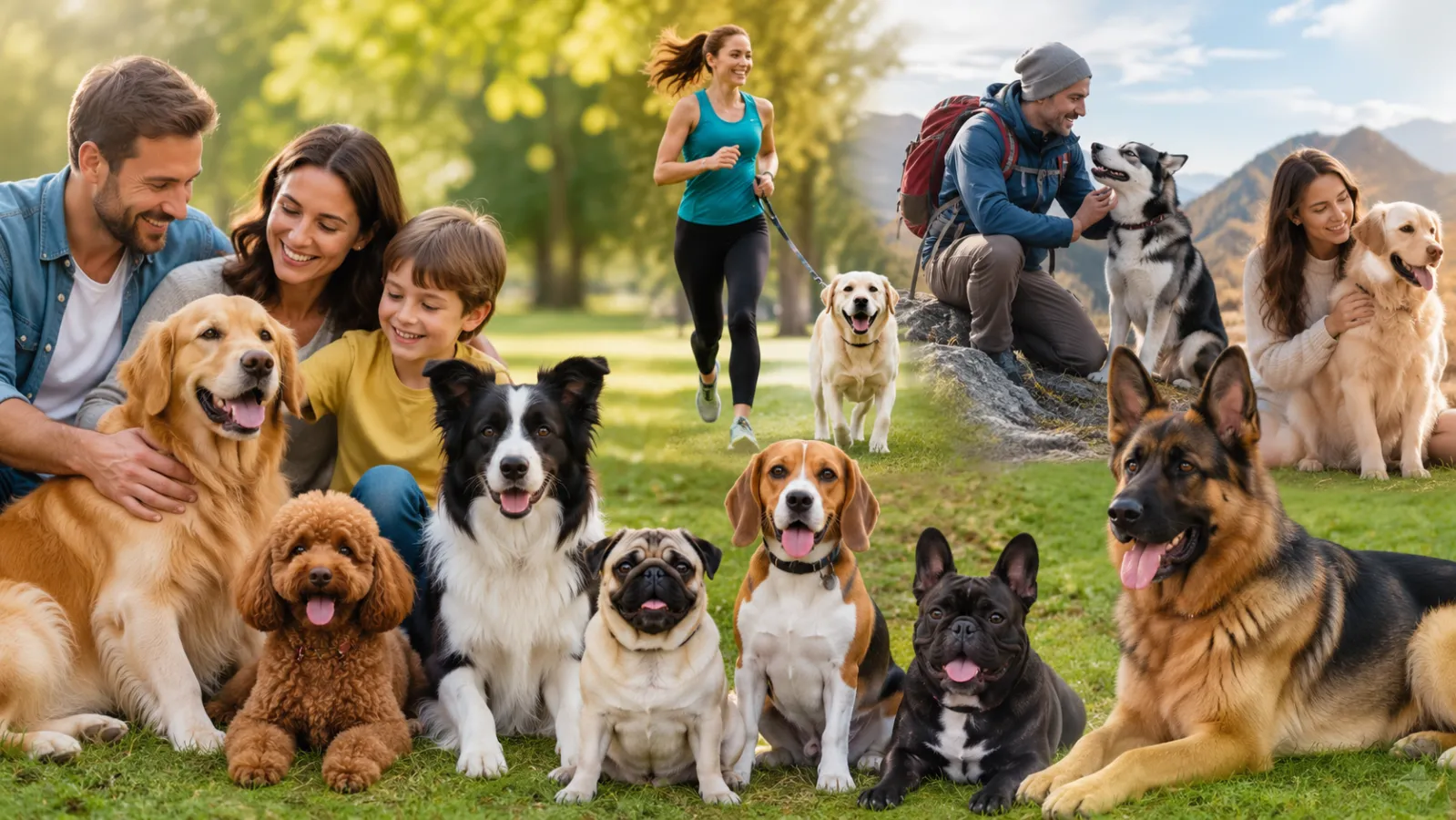
Some dogs are content with a gentle neighborhood stroll. Others hear the sound of your hiking boots and are already at the door, tail going, ready for whatever comes next.
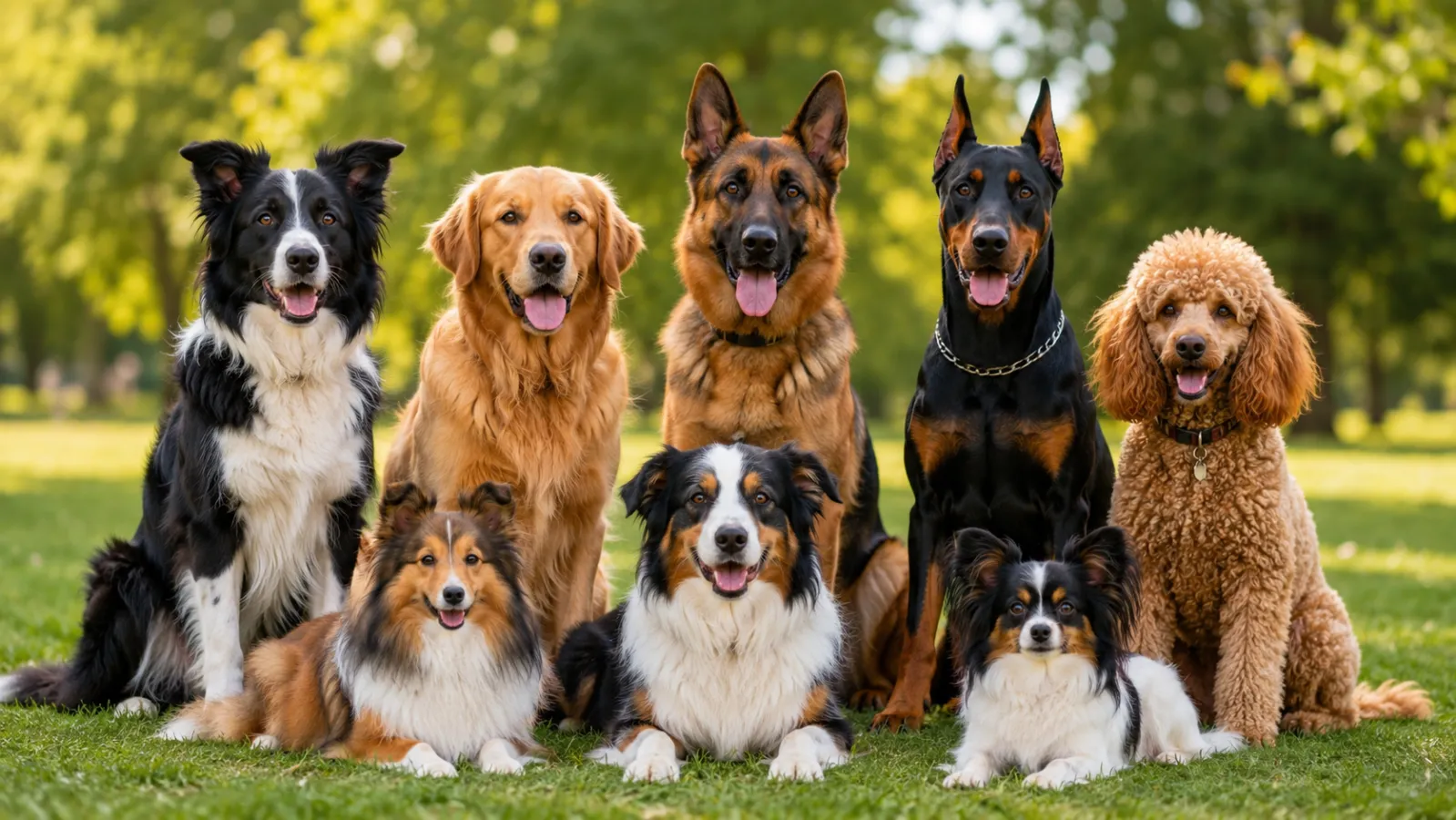
If your idea of a good weekend involves trails, long runs, swimming, or camping, living with a dog that shares that enthusiasm changes everything. Australian Shepherds, Border Collies, Siberian Huskies, Labrador Retrievers, and Vizslas are breeds that often thrive in active households. They’re athletic, game for adventure, and happiest when they’re doing something with you.
The catch is simple: these dogs need more than occasional big outings. Daily exercise, mental work, the right food, and real recovery time matter just as much. The best match isn’t the dog that can run the farthest—it’s the one whose energy, temperament, and needs fit the life you actually live, weekdays included.
A quick look at the breeds
| Breed Energy level Activities they may enjoy Best suited for | |||
| Australian Shepherd | Very high | Hiking, agility, frisbee | Active owners who enjoy training |
| Border Collie | Very high | Trail walks, agility, herding games | Experienced, engaged owners |
| Siberian Husky | Very high | Hiking, endurance work, cooler-weather adventures | Owners ready for serious exercise and secure fencing |
| Labrador Retriever | High | Swimming, retrieving, hiking | Active families and outdoor people |
| Vizsla | Very high | Running, hiking, scent work | People who want an energetic, close companion |
These are tendencies, not guarantees. Age, health, fitness level, and individual personality all shape what any particular dog can safely and happily do.
What actually makes a dog a good outdoor partner
It isn’t about finding the most extreme athlete. It’s about matching the dog to the activities you do most often. A dog who joins you on woodland walks has different needs from one expected to keep up on long mountain days or regular road runs.
Before you decide, think through a few practical points:
- Stamina once the dog is properly conditioned
- Trainability, especially reliable recall and leash manners
- Weather tolerance based on coat and body type
- Whether you can provide mental work (training, sniffing, problem-solving) as well as physical exercise
- Whether you can meet those needs on ordinary weekdays, not just weekends
If you’re still weighing breeds against your real routine, our guide to choosing the right dog breed for your lifestyle can help you look at activity levels, living space, and family life together.
Australian Shepherd
Australian Shepherds were bred to work livestock, so many of them still want a job. A long hike is great, but they usually also need something that engages their minds—agility, frisbee, scent games, or learning new skills.
Their intelligence and drive make them excellent partners for people who enjoy training. Left without enough outlets, they can get restless and may try to herd children, other pets, or anything that moves. Consistent, reward-based training helps give those instincts a better direction.
Best for owners who want a dog involved in daily activities and who like having a training project.
Border Collie
Border Collies are famous for brains, agility, and intensity. Many of them light up when movement and problem-solving come together. Hiking, agility, structured games, and complicated training tasks often suit them well.
Physical exercise alone rarely does the whole job. Hours of ball-throwing can produce a very fit dog that still feels under-stimulated. Mixing in sniffing, training, exploration, and real downtime usually works better.
These dogs tend to do best with experienced or highly engaged owners who can offer a consistent routine and plenty of mental engagement.
Siberian Husky
Huskies were developed for sled work and long-distance travel in cold conditions. Stamina, a thick double coat, and a streak of independence are part of the package. Many enjoy hiking and endurance-style outings, especially in cooler weather.
They often have a strong urge to run and can be clever escape artists. Secure fencing, solid leash skills, and careful management of off-leash time matter. Their coat protects them in the cold but does not prevent overheating—in warm or humid weather, stick to cooler hours, offer water and shade, and cut activities short when needed.
Best for people who understand the exercise requirements, independence, and need for secure containment.
Labrador Retriever
Labs are popular outdoor companions for good reason. Many of them love retrieving, swimming, hiking, and simply being with their people. Their enthusiasm for food and play often makes training enjoyable, and they usually adapt well to a range of activities when introduced gradually.
Watch weight—Labs can pack on pounds if food intake outpaces activity. Not every Lab is a natural or confident swimmer, so introduce water carefully. Puppies need different exercise than adult dogs; long-distance runs or tough hikes are not appropriate while they’re still growing.
A good fit for families and outdoor enthusiasts who want a sociable companion for varied adventures.
Vizsla
Vizslas are athletic hunting dogs known for energy and a strong desire to stay close to their people. Running, hiking, scent work, and active games often suit them. Many prefer being part of whatever the family is doing rather than spending long stretches alone. Their short coat keeps grooming simple.
They need regular exercise, mental stimulation, and companionship. That short coat also offers less protection in cold weather, so individual comfort and conditions should guide plans.
Best for active owners who want a dog that can join regular outdoor exercise and family life.
Getting ready for the trail
A dog that tears around the yard is not automatically ready for a long mountain day. Hiking asks for sustained effort, uneven ground, changing weather, and sometimes limited access to water or help.
Build fitness gradually. Start with comfortable walks and easier trails before adding distance or elevation. Puppies, seniors, and dogs with joint or heart issues need different limits—talk with your veterinarian before starting anything strenuous.
Before you head out, check whether dogs are allowed, the weather forecast, trail length and terrain, water sources, and possible wildlife. Carry fresh water and a portable bowl. Avoid letting your dog drink from questionable streams or ponds.
Afterward, check paws for cuts, thorns, and burrs, and look through the coat for ticks. Watch for unusual panting, weakness, limping, or reluctance to continue. Stop and get veterinary advice when needed rather than pushing through.
Swimming
Swimming can be excellent exercise for dogs that enjoy it. Many Labs love retrieving floating toys, and some Australian Shepherds and Vizslas take to the water too. Individual dogs vary widely, though—some dislike water, and others can struggle even in calm conditions.
Introduce swimming slowly in a safe, shallow spot. Never force a reluctant dog in. Supervise the whole time, consider a well-fitted canine life jacket for boating or extra flotation, avoid strong currents and unsafe water, and don’t let your dog drink large amounts of lake, river, or seawater. Rinse off salt or chlorine afterward and dry the coat and ears gently. If the dog looks frightened or tired, switch to something more familiar. Swimming should feel like fun, not an ordeal.
Running together
Running with a dog can be great, but success depends on your pace, distance, climate, and the dog’s condition. Vizslas, Border Collies, Australian Shepherds, and healthy adult Huskies often enjoy it when properly conditioned. Some Labs can become solid running partners too.
Make sure the dog is physically mature enough, check with your veterinarian about any health concerns, start short and easy, teach the dog to run beside you without pulling, choose cooler conditions, and carry water. Stop if the dog slows, limps, struggles to breathe, or looks uncomfortable. Enthusiasm is not the same as readiness—some dogs will keep trying to please even when they’re tired. Puppies should not do repetitive, strenuous running while their bodies are still developing.
Camping and travel
Camping and road trips give active dogs new places to explore, but preparation helps. Pack the usual food, water, bowls, leash or harness, waste bags, ID, any medications, and familiar bedding. Bring a basic pet first-aid kit and know where the nearest veterinary care is.
In the car, use a secured crate or restraint. Never leave a dog in a parked vehicle when temperatures could rise. At the campsite, follow local rules and keep your dog away from wildlife, campfires, and unsafe food. A familiar bed can help them settle. Not every dog loves camping—unfamiliar noises, tents, and strangers can stress an anxious dog. Start with shorter, lower-key trips if you’re unsure.
Food, water, and recovery
A regularly active dog often needs more energy than a quieter one, but the right amount depends on size, age, workload, body condition, and health. Feed a complete, balanced food suited to the dog’s life stage. Dogs doing serious endurance work may have different needs than those doing daily walks and occasional hikes. Monitor body condition and recovery rather than automatically adding supplements. Your veterinarian can advise on any dietary changes.
Offer water before and after exercise and regularly during longer outings. In heat, plan shorter sessions and more breaks. Avoid large meals right before hard exercise, especially with large, deep-chested breeds that may be at higher risk for bloat. Discuss any joint supplements with your veterinarian first.
Keeping them happy on ordinary days
Even dogs that spend weekends on the trails need outlets during the week. When weather or schedules limit outdoor time, mix short walks, sniffing, training, and interactive play. Food puzzles can make meals more interesting. Choose toys that match your dog’s size, chewing style, and play preferences—our guide to dog toys for exercise, play, and mental stimulation has practical ideas.
If a dog starts chewing furniture, barking a lot, or struggling to settle, it isn’t always a simple case of needing more running. Stress, frustration, or trouble being left alone can play a role. Our article on chewing and destructive behaviour in dogs looks at some of the common reasons.
Finding the right match
Australian Shepherds, Border Collies, Siberian Huskies, Labrador Retrievers, and Vizslas can all fit active homes, but they bring different combinations of stamina, independence, trainability, and care needs. A Border Collie or Australian Shepherd may suit someone who enjoys structured training and challenging activities. A Labrador often works well for families who like swimming and varied outings. A Husky needs someone prepared for high exercise demands and secure management. A Vizsla often appeals to people who want an energetic companion for regular runs and hikes.
There is no single best outdoor dog. Choose the one whose needs match the life you can provide year-round—not just on vacation. With gradual conditioning, sensible training, good nutrition, and attention to safety, those shared adventures can become one of the best parts of life with your dog.
References
- American Kennel Club – Hiking With Your Dog – https://www.akc.org/expert-advice/lifestyle/hiking-with-dogs/
- American Kennel Club – Running With Your Dog – https://www.akc.org/expert-advice/health/running-with-your-dog/
- VCA Animal Hospitals – Heat Stroke in Dogs – https://vcahospitals.com/know-your-pet/heat-stroke-in-dogs
How we create our content: Our articles are developed using AI-assisted research, cross-checked with multiple AI systems, and validated against reputable professional and authoritative sources before publication.