Homemade cat food has become increasingly popular among owners who want greater control over what their cats eat. The idea can sound appealing: fresh ingredients, cooked chicken, recognizable foods, and fewer processed ingredients. However, preparing a healthy homemade diet for a cat is much more complicated than simply combining meat, vegetables, and supplements.
Cats have very specific nutritional requirements. They need appropriate amounts of protein, fat, amino acids, vitamins, minerals, and other nutrients in carefully balanced proportions. Cornell University College of Veterinary Medicine notes that homemade cat diets can easily contain incorrect quantities or proportions of nutrients unless they are professionally formulated.
For cat owners across North America, commercially prepared complete-and-balanced cat foods are generally the simplest way to provide reliable nutrition. Homemade diets can be appropriate in certain situations, including some medical or dietary circumstances, but they should ideally be formulated by a veterinarian or board-certified veterinary nutritionist.
Understanding the benefits, risks, nutritional requirements, and food-safety concerns can help you decide whether a homemade diet is appropriate for your cat.
1. Why Cats Have Special Nutritional Requirements
Cats are obligate carnivores, meaning their bodies are adapted to obtain important nutrients from animal-based foods.
However, this does not mean that feeding a cat plain meat provides everything it needs.
Cats require numerous nutrients, including essential amino acids, fatty acids, vitamins, and minerals. Cornell notes that cats require more than a dozen additional nutrients beyond the basic macronutrients in their diet.
One important example is taurine.
Taurine plays essential roles in feline health, including normal heart and eye function. A homemade recipe that contains plenty of meat can still fail to provide the correct overall nutritional balance.
Other nutrients also need to be carefully considered.
These include:
- Protein
- Essential amino acids
- Taurine
- Fatty acids
- Calcium
- Phosphorus
- Vitamin A
- Vitamin D
- B vitamins
- Trace minerals
- Appropriate levels of other vitamins and minerals
The challenge is not simply providing these nutrients individually. They must be supplied in appropriate amounts and proportions.
2. Is Homemade Food Better Than Commercial Cat Food?
Homemade food is not automatically healthier than commercial cat food.
A high-quality commercial cat food is formulated specifically to meet established feline nutritional requirements. In the United States, nutritional adequacy statements based on AAFCO standards can help owners identify foods formulated to be complete and balanced for the appropriate life stage.
Homemade diets can provide advantages in certain circumstances.
For example, some owners may want to control specific ingredients, and veterinarians may recommend a home-prepared diet for a cat with particular medical or nutritional needs.
However, the recipe must be properly formulated.
Cornell's veterinary nutrition service works with veterinarians and owners to develop home-prepared diets designed to meet individual nutritional needs.
The important distinction is between a professionally formulated homemade diet and a recipe created by simply combining ingredients that seem healthy.
3. Cooked Chicken Alone Is Not a Complete Diet
Cooked chicken is generally a good source of animal protein, but it should not become the sole food in a cat's diet.
A bowl of cooked chicken may provide protein and calories, but it does not automatically supply every vitamin and mineral a cat requires.
For example, feeding only muscle meat can create nutritional imbalances involving minerals and other essential nutrients.
This is one of the most common misconceptions surrounding homemade cat food.
A cat does not need only "meat."
It needs a complete nutritional profile.
If you want to use cooked chicken as part of your cat's diet, treat it as an ingredient or occasional food rather than assuming it can replace a complete and balanced cat food.
If you want to feed a fully homemade diet, have the entire recipe professionally formulated.
4. Taurine Supplements Are Not a Complete Solution
Taurine supplements are often discussed in connection with homemade cat diets.
Taurine is indeed essential for cats, but simply adding taurine to a homemade recipe does not make the recipe nutritionally complete.
A balanced diet requires many nutrients, not just one.
Adding a taurine supplement to a recipe that is deficient in calcium, certain vitamins, fatty acids, or other nutrients does not solve the overall problem.
Cornell also cautions that supplements are not automatically beneficial and can sometimes be harmful when given unnecessarily or in inappropriate amounts.
If your veterinarian recommends a supplement, follow the prescribed amount and product instructions.
Do not assume that more is better.
5. Cooked Homemade Diets Can Be Safer Than Raw Diets
If you are considering homemade food, a properly prepared cooked diet generally avoids some of the microbial risks associated with raw meat.
Raw meat can carry bacteria, viruses, and parasites that may affect both cats and people in the household. Cornell does not recommend raw or gently cooked diets because clear health benefits have not been demonstrated and infectious risks remain a concern.
Cooking can reduce the risk from many harmful microorganisms, but it does not automatically make a homemade diet nutritionally complete.
This distinction is important.
Food safety and nutritional adequacy are two separate issues.
A cooked diet can be microbiologically safer than a raw diet while still being nutritionally deficient if the recipe is poorly formulated.
6. What About Raw Food Diets?
Raw feeding has attracted considerable attention among cat owners who want to mimic what they believe a cat would eat in the wild.
Raw diets may include:
- Raw muscle meat
- Raw organs
- Ground bone
- Raw eggs
- Raw fish
- Other uncooked animal products
Supporters sometimes claim that raw diets are more natural or provide health benefits.
However, scientific evidence demonstrating clear health advantages over properly formulated cooked or commercial diets is lacking. Cornell notes that raw diets are controversial and may expose cats and their owners to infectious organisms.
The World Small Animal Veterinary Association also emphasizes that raw or home-prepared diets need to be safe and nutritionally complete and balanced, while highlighting the risks associated with raw meat-based diets.
Potential concerns include:
- Bacterial contamination
- Parasites
- Nutritional deficiencies
- Nutritional excesses
- Bone-related injuries
- Cross-contamination in the kitchen
- Exposure of household members to pathogens
These risks can be especially important in households with young children, older adults, pregnant people, or individuals with weakened immune systems.
7. Raw Bones Can Create Additional Problems
Some homemade raw diets include bones as a source of calcium and other minerals.
However, bones are not risk-free.
They can potentially cause:
- Broken teeth
- Choking
- Mouth injuries
- Gastrointestinal obstruction
- Digestive tract injuries
Grinding bones does not automatically solve every nutritional or safety concern.
Calcium and phosphorus need to be provided in appropriate proportions, and determining the correct amounts requires more than simply adding bones to a recipe.
A professionally formulated diet can provide a safer way to control these minerals.
8. Food Safety Matters in Homemade Feeding
Food safety becomes particularly important when preparing homemade cat food.
Raw ingredients can contaminate kitchen surfaces, utensils, cutting boards, bowls, and hands.
If you prepare homemade food, practice careful food hygiene.
Use clean utensils.
Wash your hands thoroughly after handling raw ingredients.
Clean food-preparation surfaces.
Keep raw meat away from foods intended for people.
Store ingredients at appropriate temperatures.
Refrigerate prepared food promptly.
Discard spoiled or improperly stored food.
Wash your cat's food bowls regularly.
Freshly prepared food should not be left sitting at room temperature for long periods.
Cornell's research and nutrition guidance emphasize that raw diets can expose cats and people to harmful pathogens, including situations where cats may carry and shed pathogens without appearing sick.
9. Homemade Diets Require Precise Meal Planning
A balanced homemade recipe needs more than a list of healthy ingredients.
The recipe should specify:
- Exact ingredient quantities
- Appropriate protein sources
- Fat sources
- Calcium
- Essential vitamins
- Essential minerals
- Taurine when required
- Appropriate fatty acids
- Calorie content
- Serving size
- Preparation instructions
- Storage instructions
- Supplement quantities
Small changes can alter the nutritional profile.
For example, replacing one meat with another may change the amount of fat, protein, phosphorus, or other nutrients.
Changing the amount of an ingredient may also affect the overall balance.
This is why "following the recipe approximately" is not always appropriate for a nutritionally complete homemade diet.
10. Homemade Recipes Should Be Professionally Formulated
If you want to feed your cat a homemade diet long term, consider working with a veterinarian who has expertise in nutrition or a board-certified veterinary nutritionist.
Cornell's veterinary nutrition service specifically provides home-prepared formulations designed to meet individual animal needs.
Professional formulation can take into account:
- Age
- Weight
- Activity level
- Medical history
- Body condition
- Calorie requirements
- Food allergies
- Nutritional goals
- Specific medical conditions
This is particularly important when a homemade diet is being used to manage a health condition.
A generic internet recipe cannot account for all of these factors.
11. Homemade Diets for Cats With Medical Conditions
Some cats may benefit from carefully formulated homemade diets for specific medical reasons.
For example, a veterinary nutritionist may formulate a diet for a cat with particular nutritional restrictions or therapeutic goals.
However, medical diets are more complicated than ordinary homemade meals.
A cat with kidney disease, urinary problems, gastrointestinal disease, diabetes, or another condition may require carefully controlled nutrients.
Changing the diet without professional guidance could make the condition harder to manage.
If your cat has a diagnosed medical condition, do not create a homemade therapeutic diet based on a general recipe.
Ask your veterinarian for guidance.
12. Supplements Can Be Helpful When Used Correctly
Supplements may be necessary in some professionally formulated homemade diets.
However, they should be viewed as components of a carefully calculated nutritional plan rather than something added randomly.
Potential supplements may provide nutrients such as:
- Taurine
- Calcium
- Essential fatty acids
- Vitamins
- Trace minerals
The appropriate supplement depends entirely on the recipe.
Using multiple supplements without calculating the total nutrient intake can result in excessive levels of certain nutrients.
Cornell specifically advises that supplements should not be given without veterinary approval because unnecessary supplementation can be harmful.
13. Common Homemade Diet Mistakes
Several mistakes repeatedly appear when owners prepare cat food at home.
One of the most common is feeding only meat.
Another is assuming that organ meat automatically provides every missing nutrient.
Some owners add calcium without considering the overall calcium-to-phosphorus balance.
Others add taurine but overlook other essential nutrients.
Another problem is changing ingredients without recalculating the recipe.
Using a dog-food recipe for a cat can also be inappropriate because cats have different nutritional requirements.
Another mistake is relying on recipes from social media or websites without checking whether they were formulated by a qualified veterinary nutrition professional.
A recipe that looks healthy to a person is not necessarily nutritionally complete for a cat.
14. Homemade vs. Commercial: Which Is Easier?
For most owners, commercial complete-and-balanced cat food is significantly easier to feed correctly.
Commercial diets have several practical advantages:
- Consistent nutrient formulation
- Convenient preparation
- Easy portioning
- Longer storage
- Wide availability
- Life-stage options
- Therapeutic formulas
- Clear feeding instructions
Homemade food requires considerably more planning.
You need to purchase specific ingredients, measure them accurately, prepare them safely, store them correctly, and follow the recipe consistently.
This does not mean homemade diets are always wrong.
It means they require greater responsibility.
If convenience and nutritional consistency are priorities, a reputable complete-and-balanced commercial food is often the simplest option.
15. What Does a Balanced Homemade Diet Look Like?
A balanced homemade diet is not simply a plate of cooked chicken.
It is a carefully calculated nutritional formula.
Depending on the cat and recipe, it may contain appropriate amounts of animal protein, fat, essential amino acids, vitamins, minerals, and other nutrients.
The exact ingredients should be determined by the formulation.
For example, a professionally designed recipe might include cooked chicken as one component, but additional ingredients and supplements would be selected to meet the cat's complete nutritional requirements.
This is very different from simply feeding chicken every day.
The goal is nutritional completeness, not just recognizable ingredients.
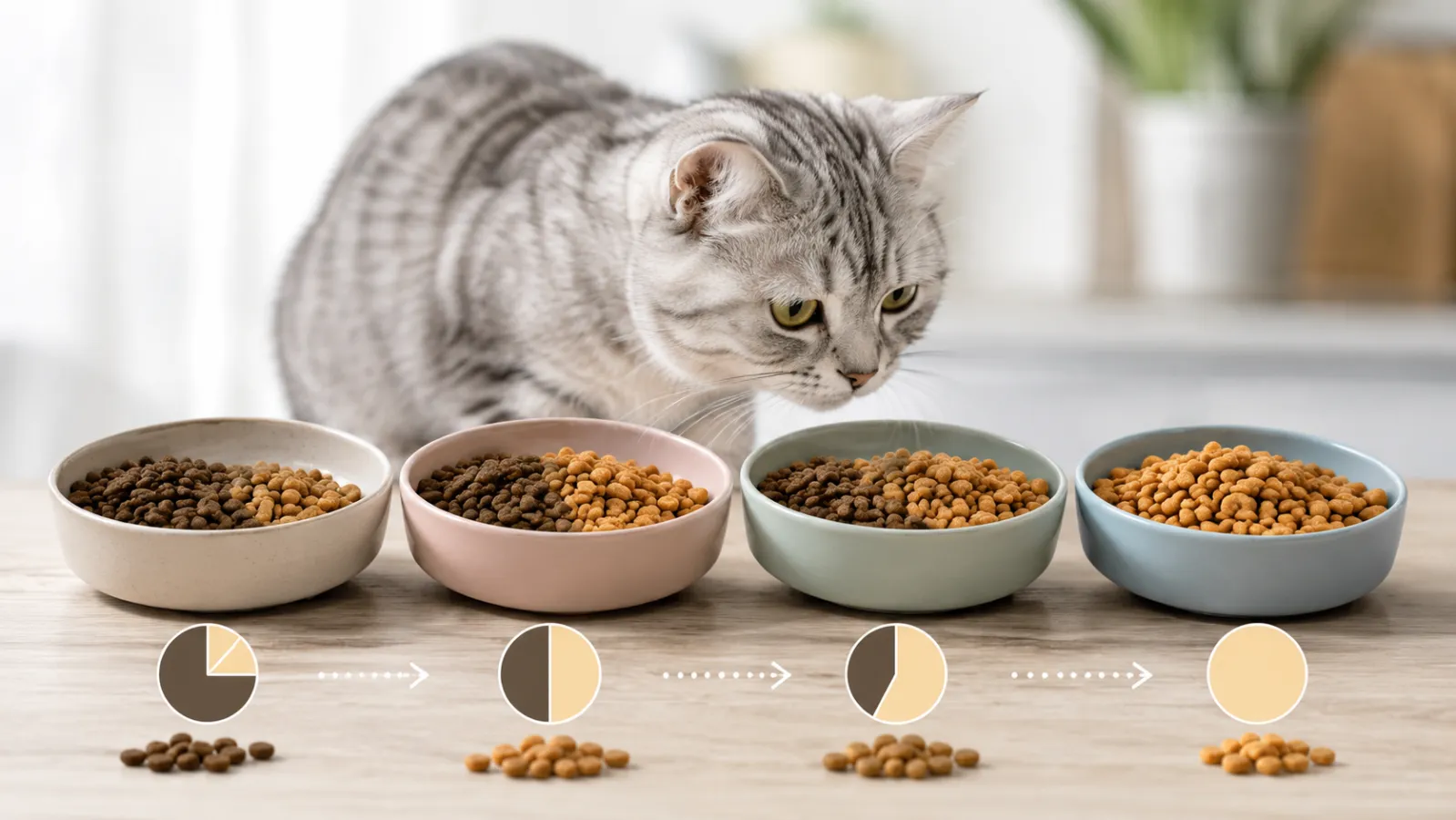
16. How to Transition to a Homemade Diet
If your veterinarian has recommended a homemade diet, ask how the transition should be handled.
Cats can be sensitive to changes in food, and some are particularly selective about texture and smell.
A gradual transition may be appropriate for many cats.
However, the exact approach depends on why the diet is being introduced.
A cat with a medical condition may need a specific transition plan.
Never intentionally starve a cat to force it to accept a new diet.
Cornell emphasizes that cats that refuse to eat can develop serious medical problems, and a cat that refuses food and loses weight should be examined by a veterinarian.
17. Monitor Your Cat's Health
Once a cat begins a homemade diet, monitoring becomes especially important.
Pay attention to:
- Body weight
- Body condition
- Appetite
- Stool quality
- Vomiting
- Energy levels
- Skin and coat
- Muscle condition
- Water intake
Regular veterinary examinations can help identify nutritional problems that may not be obvious at home.
A cat can appear energetic while still developing a dietary imbalance.
Long-term monitoring is therefore an important part of responsible homemade feeding.
18. Homemade Treats vs. Homemade Meals
There is an important difference between giving a cat a small amount of cooked food as an occasional treat and using homemade food as the cat's primary diet.
A small portion of plain, appropriately cooked food may sometimes be used as a treat if your veterinarian considers it suitable.
However, treats should remain a limited part of the diet. Cornell recommends keeping treats to approximately 10–15% of a cat's daily calories.
A complete and balanced commercial cat food should remain the primary diet unless a properly formulated homemade diet has been recommended.
Avoid heavily seasoned foods, sauces, onions, garlic, excessive salt, and other ingredients that can be unsafe for cats.
19. When Homemade Food May Make Sense
There are circumstances where homemade diets may be worth considering.
These can include:
A veterinarian-recommended medical diet
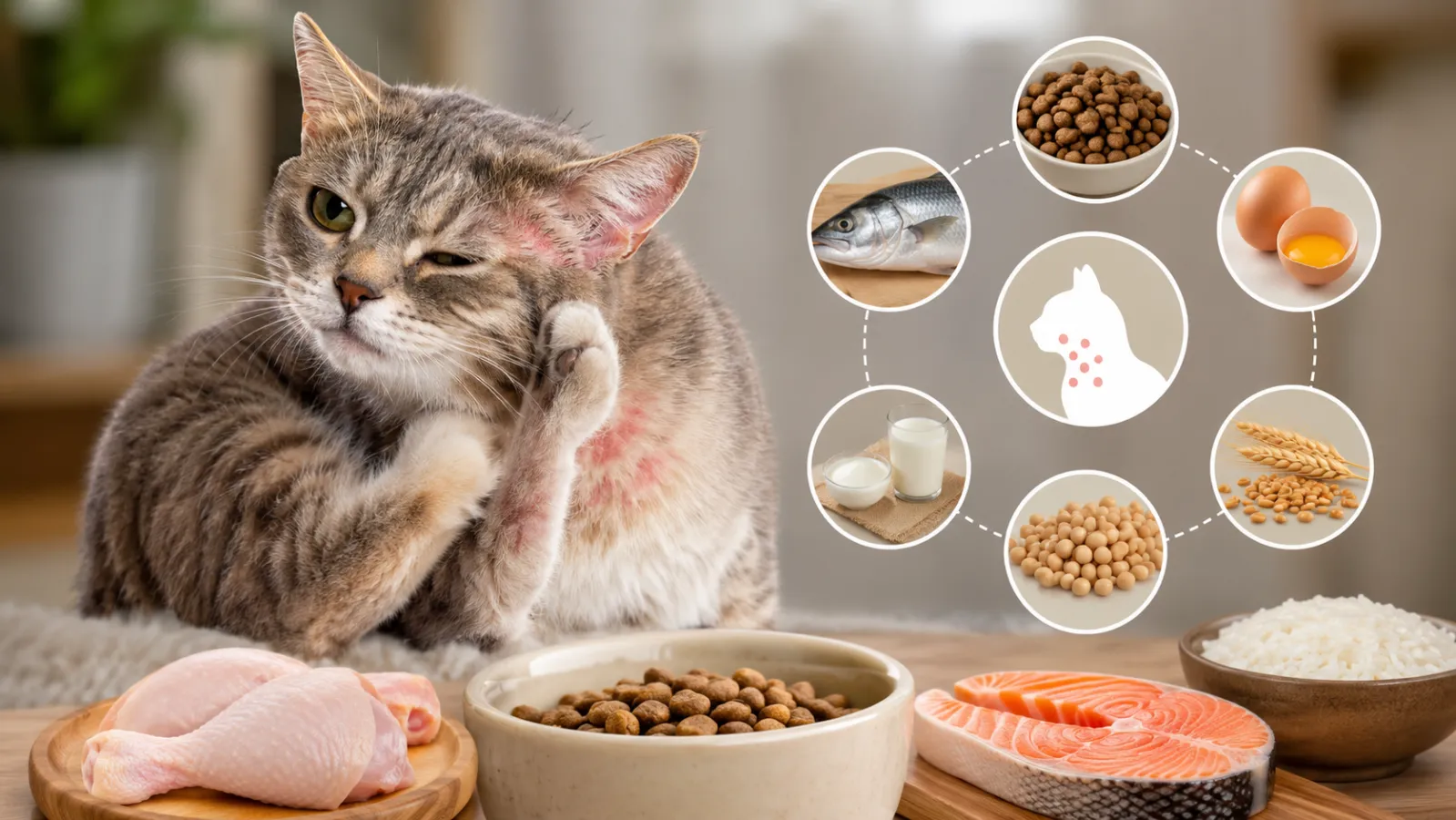
Specific food-allergy management
A cat with unusual nutritional requirements
A need to control specific ingredients
Owner preference combined with professional formulation
Difficulty finding a suitable commercial formula
However, the presence of one of these circumstances does not mean that homemade feeding is automatically the best choice.
A veterinarian should help determine whether a home-prepared diet is appropriate.
20. When Commercial Food May Be the Better Choice
Commercial cat food may be preferable when:
You want simple meal preparation.
You have limited time for cooking.
Your cat has no special dietary requirement.
You want consistent nutritional formulation.
You need an easily available food.
Your veterinarian recommends a therapeutic commercial diet.
You are uncomfortable calculating nutritional requirements.
A complete-and-balanced commercial food can provide excellent nutrition without requiring owners to calculate every vitamin, mineral, amino acid, and calorie.
The most important thing is to choose an appropriate product and follow sensible feeding practices.
Final Thoughts
So, are homemade diets safe for cats?
They can be, but only when they are properly formulated, prepared safely, and matched to the individual cat's nutritional requirements.
The biggest mistake is assuming that a meal made from healthy ingredients is automatically a complete diet.
Cooked chicken, raw meat, organ meat, or a combination of ingredients may provide valuable nutrients, but none should automatically be considered a nutritionally complete cat food.
Taurine supplements can be important in certain professionally formulated recipes, but taurine alone does not correct an otherwise unbalanced diet.
Raw diets require additional caution because they can expose cats and household members to harmful bacteria and parasites, and there is no established nutritional advantage that clearly outweighs these risks.
For most cat owners, a reputable commercial food that is complete and balanced for the cat's life stage is the simplest way to provide reliable nutrition.
If you prefer homemade feeding, the safest approach is to involve a veterinarian or board-certified veterinary nutritionist and use a recipe specifically formulated for your cat.
Homemade feeding should be treated as a serious nutritional plan rather than simply preparing human-style meals for a cat.
With proper formulation, accurate measurements, safe food handling, regular monitoring, and professional guidance when needed, you can make informed decisions about whether homemade nutrition is right for your cat.