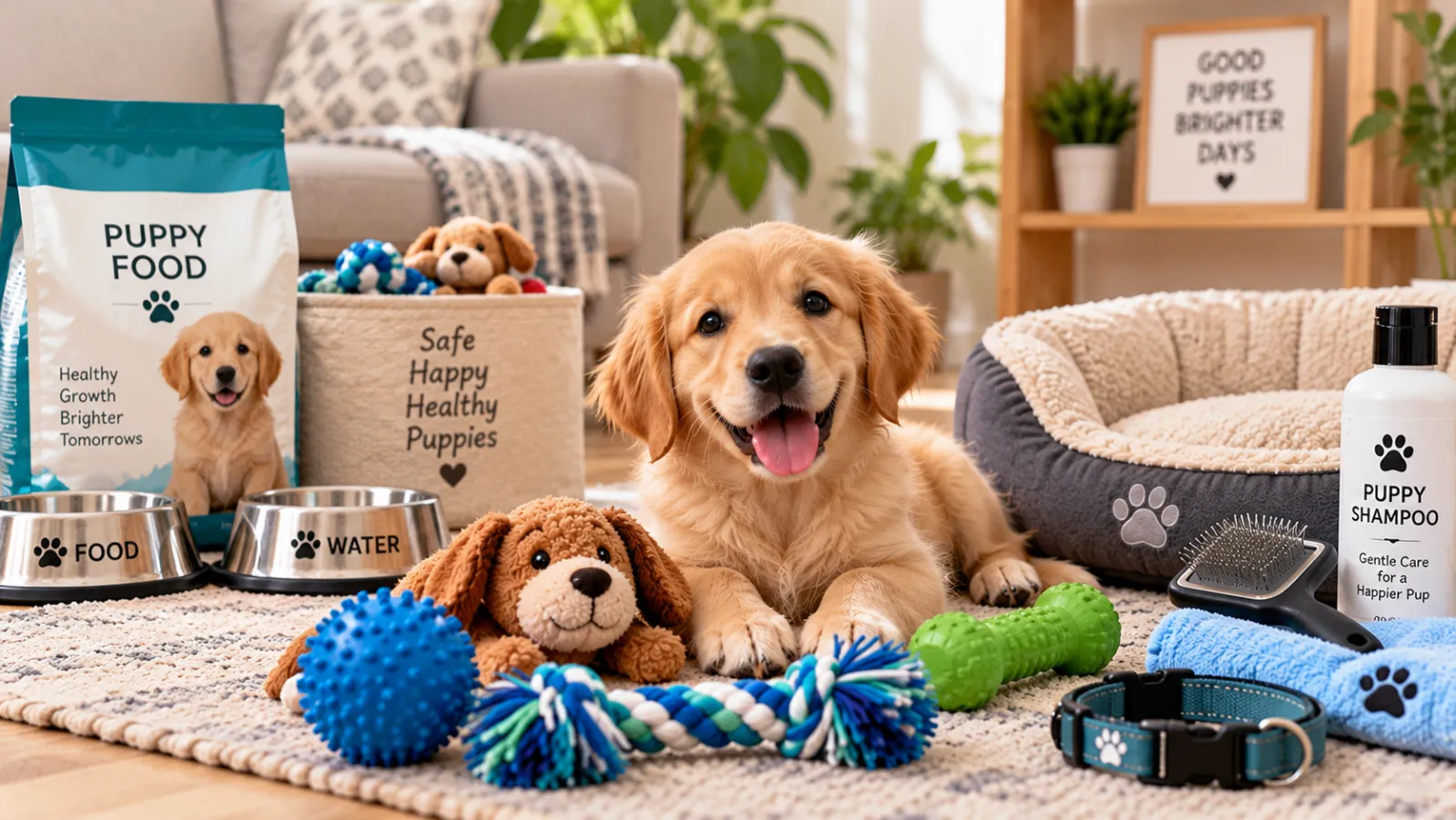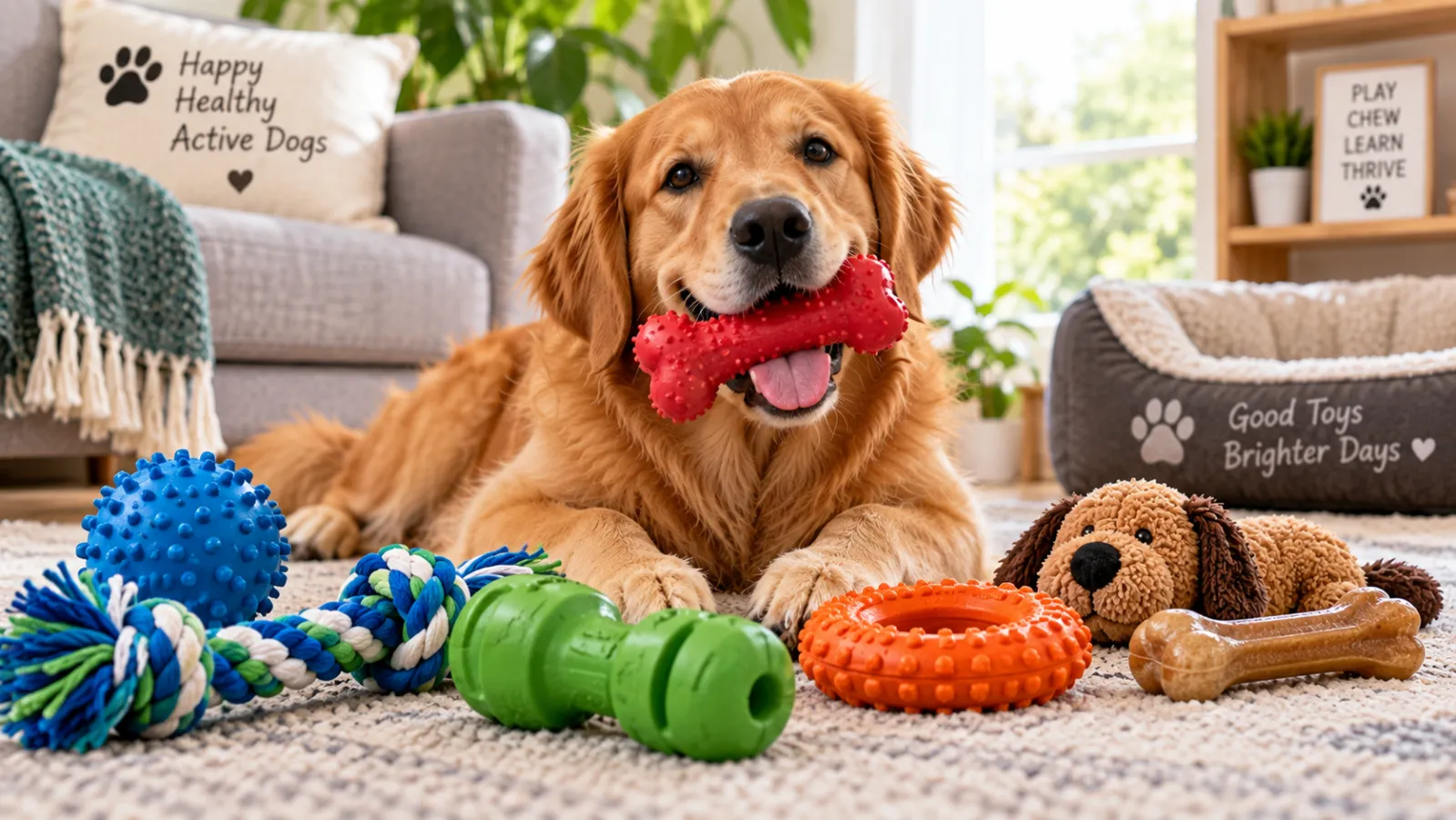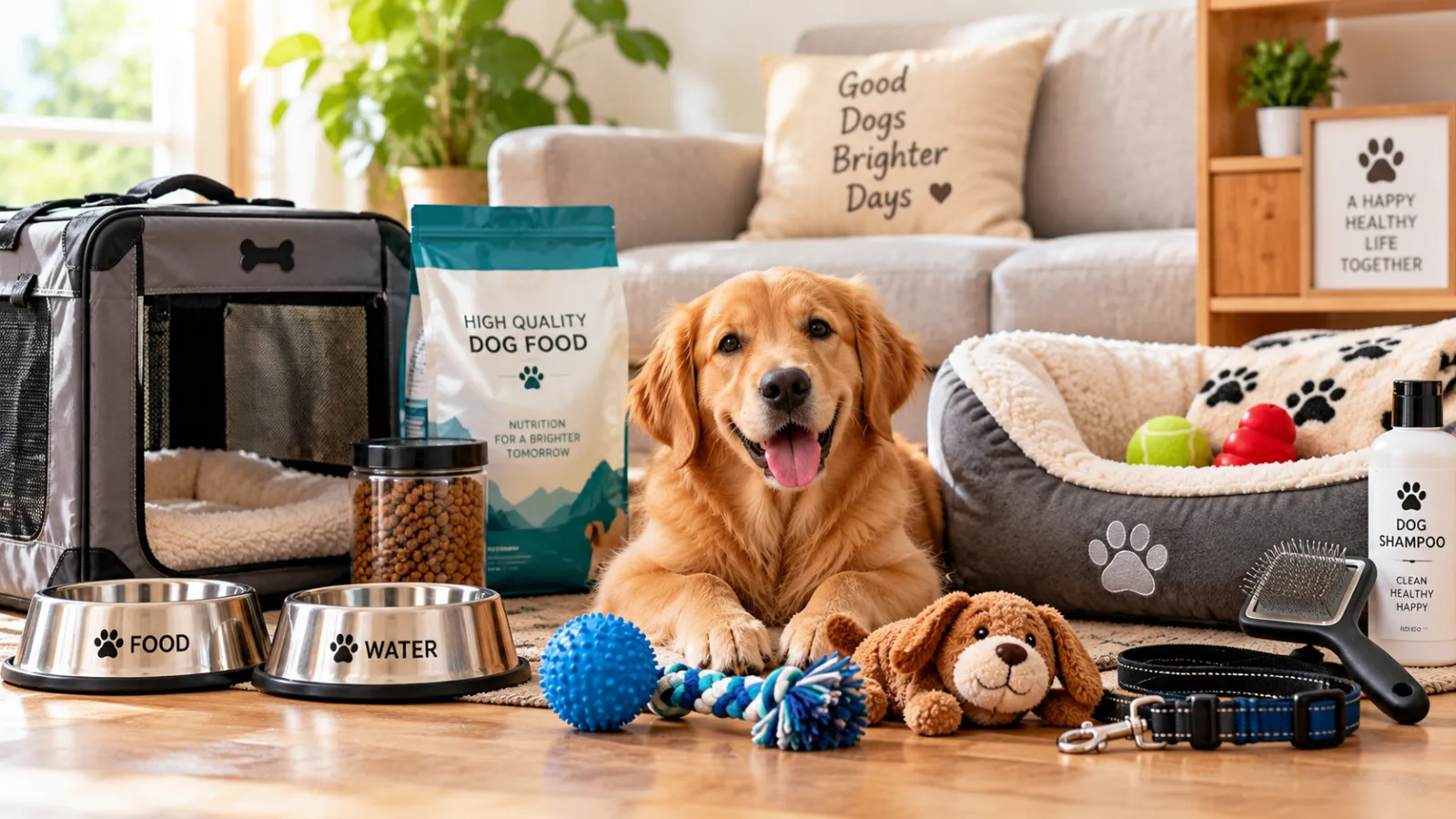
Play is an important part of a dog's daily routine. The right toys can encourage physical activity, mental stimulation, chewing, exploration, and positive interaction with their owners. However, not every toy is suitable for every dog.
The best toy depends on your dog's age, size, chewing habits, energy level, and play style. A puppy may need different toys from an adult dog, while a powerful chewer may require a more durable option than a dog that plays gently.
Why Dog Toys Matter
Dogs need regular opportunities to move, explore, and use their minds. Toys can help make everyday play more engaging while giving dogs appropriate outlets for natural behaviors such as chewing, chasing, retrieving, and problem-solving.
Mental stimulation can be particularly useful for dogs that become bored when they do not have enough activity. Combining toys with walks, training, and other forms of enrichment can create a more varied daily routine.
Physical activity is also important for an overall healthy lifestyle. Owners looking for ideas for active pets can explore our guide to active dog breeds and outdoor lifestyles.
1. Chew Toys for Healthy Play
Chewing is a natural behavior for dogs, particularly puppies and young dogs. Providing an appropriate chew toy can give your pet a dedicated item to chew instead of household objects.
When selecting a chew toy, consider your dog's size and chewing strength. A toy that is too small may present a swallowing risk, while one that breaks apart easily may not be suitable for a strong chewer.
Choose toys made specifically for dogs and inspect them regularly for damage. Replace a toy when pieces begin to break off or become small enough to swallow.
2. Fetch Toys for Physical Exercise
Fetch toys can encourage dogs to run, chase, retrieve, and interact with their owners. Balls, flying discs, and other retrieving toys can turn ordinary playtime into an active exercise session.
Choose a fetch toy that is large enough for your dog to carry safely and made from a material appropriate for its chewing habits.
Outdoor fetch can be especially useful for energetic dogs, but exercise should always be appropriate for the dog's age, fitness, breed characteristics, and individual condition.
3. Puzzle Toys for Mental Stimulation
Puzzle toys encourage dogs to think about how to access food, treats, or another reward. They can provide mental enrichment and help make feeding or playtime more interesting.
Start with a puzzle that matches your dog's ability. If it is too difficult, your dog may become frustrated and lose interest. Once your pet understands the concept, you can gradually introduce more challenging puzzles.
Puzzle toys can be particularly useful for dogs that enjoy problem-solving and food-based activities.
4. Interactive Toys Encourage Engagement
Interactive toys require some form of participation from the dog or owner. They can include treat-dispensing toys, toys designed for tugging, and products that encourage chasing or retrieving.
Interactive play can also strengthen the relationship between dogs and their owners. Tug games, for example, can provide physical activity while encouraging communication and engagement.
Our guide on basic obedience commands can also help owners combine play with training and positive reinforcement.
5. Choose Toys Based on Your Dog's Age
Age should influence toy selection.
Puppies
Puppies may benefit from appropriately sized toys that can keep them occupied while they explore and learn. Since young dogs may chew frequently, durable and age-appropriate toys are especially useful.
Puppies should always be supervised with new toys until you understand how they interact with them.
Adult Dogs
Adult dogs can generally enjoy a broader range of toys depending on their energy level and preferences. Combining fetch, chewing, interactive play, and puzzle activities can provide variety.
Senior Dogs
Older dogs may still enjoy playing but may need gentler activities. Softer toys and low-impact games can be more suitable for dogs with reduced mobility.
Our guide to recognizing signs that your dog may be unwell can help owners pay attention to changes in activity, appetite, and behavior.
6. Consider Your Dog's Chewing Style
Not all dogs interact with toys in the same way.
Some dogs are gentle and mainly carry toys around. Others immediately start chewing, pulling, or tearing them apart.
Before buying a toy, think about how your dog treats its current toys.
A toy marketed as durable is not necessarily indestructible. Dogs should be supervised during play, especially when using toys that can be chewed or pulled apart.
7. Safety Should Come First
Safety is one of the most important considerations when choosing dog toys.
The American Kennel Club recommends selecting toys that are appropriately sized for the dog and checking them regularly for damage. Toys that can be swallowed or that break into dangerous pieces should be removed. (akc.org)
Cornell's College of Veterinary Medicine also emphasizes considering toy design, materials, and potential hazards when selecting products for pets. (vet.cornell.edu)
Never assume that a toy is completely risk-free simply because it is sold as a pet product.
8. Avoid Toys That Are Too Small
Size matters when choosing balls, chew toys, and interactive products.
A toy should be large enough that your dog cannot easily swallow it. This is especially important for dogs that aggressively chew or quickly destroy toys.
The appropriate size can vary substantially between dogs, so always follow the manufacturer's sizing guidance and consider your dog's mouth size and chewing behavior.
9. Rotate Your Dog's Toys
Giving your dog access to every toy at once may make individual toys less interesting over time.
Try rotating toys instead. Keep a selection available and put some others away for later. Reintroducing familiar toys after a break can make them feel more interesting again.
You can also vary the type of activity. One day might focus on fetch, while another could involve a puzzle toy or supervised chewing session.
10. Use Toys as Part of Training
Toys can be more than entertainment. They can become useful tools during training.
For example, a favorite toy can be used as a reward for responding to a command, returning when called, or following another desired behavior.
Play-based rewards can make training more engaging, especially for dogs that are highly motivated by toys.
Positive and consistent training also helps dogs develop good routines. Our article on building positive habits from day one provides additional guidance.
11. Keep Interactive Play Supervised
Some toys are designed specifically for independent use, while others are better suited to supervised play.
Tug toys, rope toys, toys with detachable parts, and heavily chewed products should be monitored. Remove damaged toys immediately.
Supervision also allows you to see which toys your dog enjoys and whether it is using them safely.
12. Choose Toys That Match Your Dog's Personality
Your dog's personality can tell you a lot about which toys it will enjoy.
A dog that loves chasing objects may prefer fetch toys. A food-motivated dog may enjoy puzzle and treat-dispensing toys. A dog that loves chewing may be happier with a suitable chew toy.
There is no requirement to buy every type of toy. Start with the activities your dog naturally enjoys and add variety over time.
Common Mistakes When Choosing Dog Toys
One common mistake is choosing a toy based only on appearance. A cute toy may not be durable or suitable for your dog's play style.
Another mistake is assuming that an expensive toy is automatically safer or better. The important factors are whether the toy is appropriate for the dog, correctly sized, suitable for its chewing strength, and regularly inspected.
Owners should also avoid leaving damaged toys available. Once a toy begins to break apart, it can become a potential hazard.
A Simple Dog Toy Checklist
Before buying a new toy, ask:
Is it the correct size for my dog?
Is the material appropriate for my dog's chewing habits?
Will it provide physical exercise, mental stimulation, or both?
Can I supervise my dog while using it?
Is it easy to inspect and clean?
Can damaged parts be identified and removed quickly?
These simple checks can make toy selection safer and more useful.
Final Thoughts
The best dog toys are not necessarily the most expensive or complicated. They are the toys that match your dog's size, personality, activity level, chewing habits, and individual needs.
Chew toys can provide an appropriate outlet for natural chewing behavior. Fetch toys can encourage physical activity. Puzzle toys can challenge your dog's mind, while interactive toys can encourage engagement with you.
The key is variety, supervision, and safety. Regularly inspect toys, replace damaged products, and choose activities that are appropriate for your dog's age and physical condition.
With the right combination of exercise, play, and mental stimulation, toys can become an important part of a happy and enriched daily routine.
Sources & References
American Kennel Club. How to Choose Safe Dog Toys.
https://www.akc.org/expert-advice/lifestyle/choosing-safe-dog-toys/
American Veterinary Medical Association. Pet Toys and Safety.
https://www.avma.org/resources/pet-owners/petcare/pet-toys
Cornell University College of Veterinary Medicine. Safe Toys and Gifts.
VCA Animal Hospitals. Dog Toys and How to Choose Them.
https://vcahospitals.com/know-your-pet/dog-toys
Blue Cross. Dog Enrichment and Activities.
https://www.bluecross.org.uk/advice/dog/behaviour-and-training/enrichment-for-dogs
Created with AI • Independently Verified
This article was created with the assistance of artificial intelligence and cross-checked using multiple AI systems to help identify errors, inconsistencies, and missing information.
Important factual claims are additionally checked against reputable veterinary, scientific, animal-welfare, and other authoritative sources before publication.
Our standard: AI helps us research and explain. Reliable evidence determines what we publish.
Last reviewed: September 2026