Introduction
Many cat owners do not notice health problems until the condition becomes serious. Cats are naturally good at hiding pain and discomfort. That is why understanding the signs your cat is sick is important for every pet owner, teacher, educator, and parent with pets at home.
A healthy cat usually eats well, stays active, uses the litter box normally, and behaves consistently. When these habits suddenly change, it may signal illness. Learning the warning signs early can help prevent bigger health problems and reduce stress for both the cat and the owner. This guide explains common symptoms, practical care tips, and mistakes to avoid.
Section 1: Understanding the Signs Your Cat Is Sick
What Does It Mean When a Cat Shows Signs of Illness?
Cats communicate through behavior, body language, eating habits, and activity levels. When they feel unwell, their normal routine often changes. Some symptoms are easy to notice, while others are very subtle.
Common signs your cat is sick include:
- Eating less or refusing food
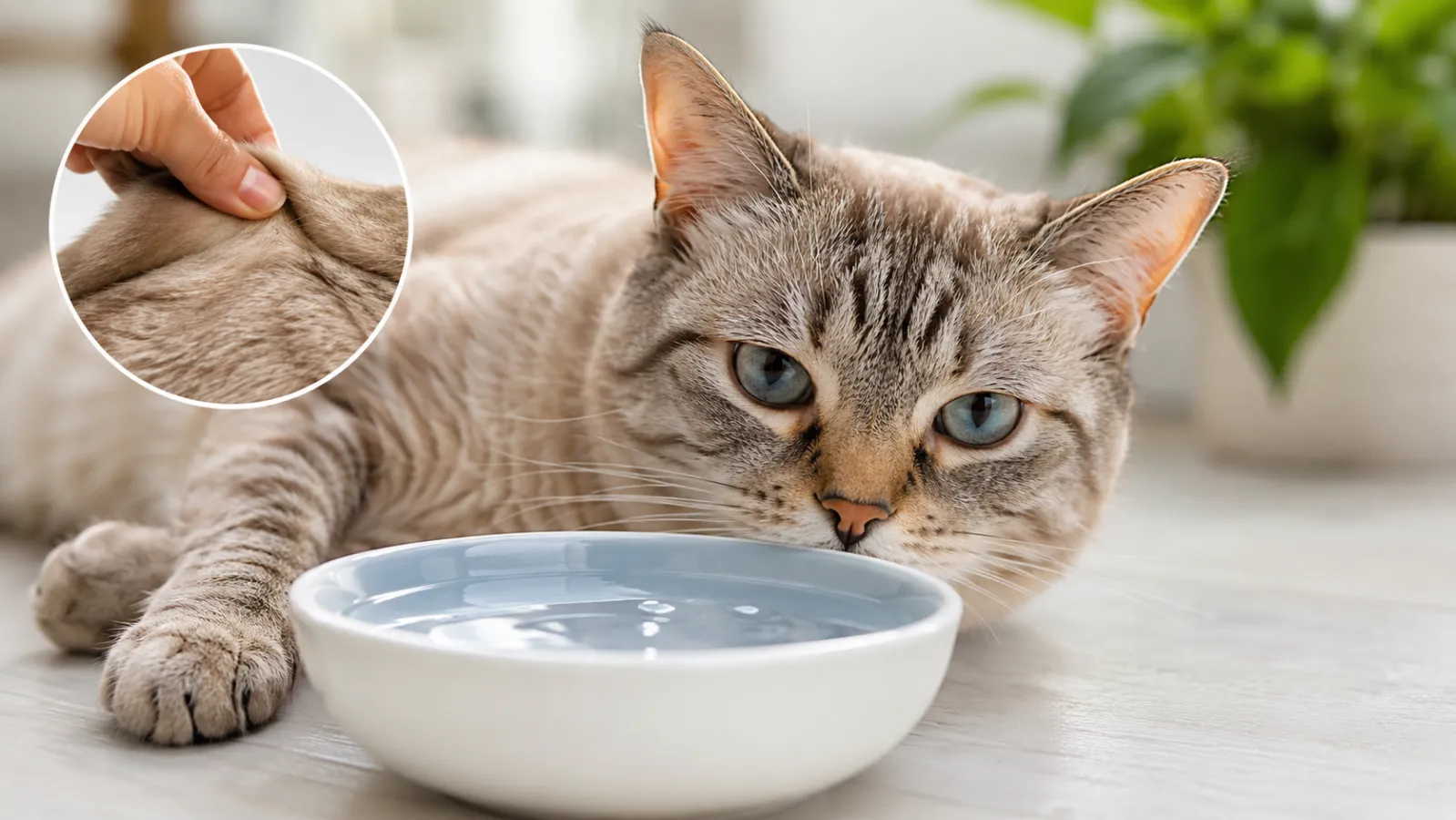
- Drinking too much or too little water
- Sudden weight loss
- Vomiting frequently
- Diarrhea or constipation
- Excessive sleeping
- Aggressive or withdrawn behavior
- Trouble breathing
- Changes in grooming habits
Why Early Detection Matters
Cats can become seriously ill very quickly. Some diseases progress silently for weeks before obvious symptoms appear. Early action can:
- Prevent severe illness
- Reduce expensive treatments
- Improve recovery chances
- Keep other pets safe
- Lower emotional stress for families
Parents and educators who teach children about responsible pet care can also use these signs as learning opportunities about compassion and animal health.
Section 2: Detailed Breakdown of Warning Signs
1. Changes in Eating Habits
One of the earliest warning signs is appetite change.
Watch for:
- Refusing food for more than 24 hours
- Eating much less than normal
- Difficulty chewing
- Sudden overeating
Loss of appetite may indicate:
- Dental disease
- Kidney problems
- Infection
- Digestive illness
2. Vomiting and Digestive Problems
Occasional hairballs are common, but repeated vomiting is not normal.
Important symptoms include:
- Frequent vomiting
- Blood in vomit
- Diarrhea lasting over a day
- Constipation
- Swollen stomach
Digestive problems may signal infections, food allergies, or internal disease.
3. Changes in Litter Box Behavior
Cats are usually clean animals. Litter box changes often indicate health problems.
Watch for:
- Urinating outside the litter box
- Blood in urine
- Frequent urination
- Straining during urination
- Strong-smelling urine
Urinary problems can become emergencies, especially in male cats.
4. Unusual Sleeping or Low Energy
Cats sleep often, but sudden extreme tiredness is concerning.
Signs include:
- Sleeping all day
- No interest in playing
- Difficulty jumping
- Weakness or shaking
Low energy can be linked to infections, fever, anemia, or pain.
5. Breathing Problems
Healthy cats breathe quietly and comfortably.
Seek veterinary help if your cat:
- Breathes rapidly
- Wheezes
- Coughs often
- Breathes with an open mouth
Breathing problems may indicate asthma, heart disease, or respiratory infections.
6. Changes in Appearance
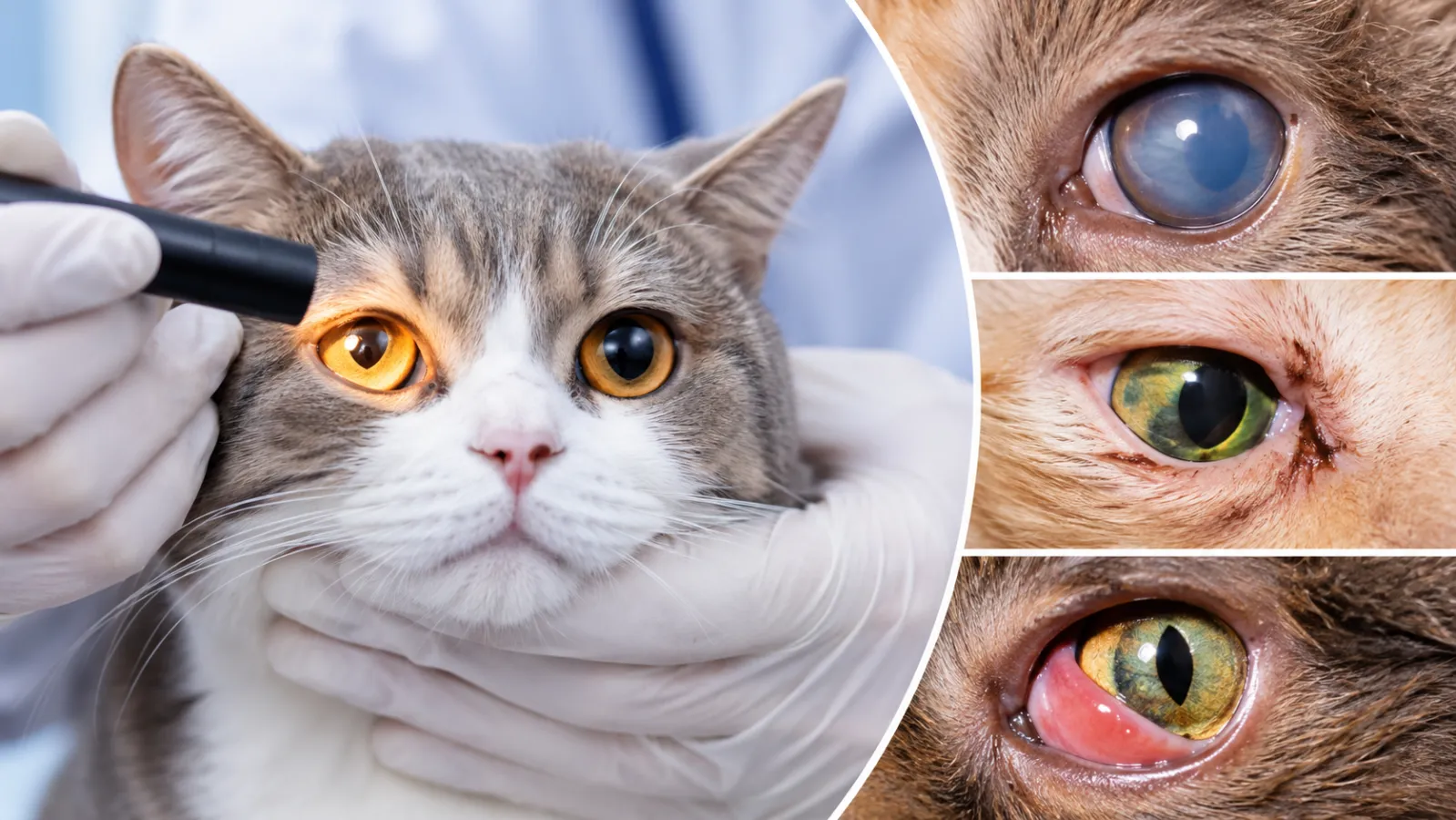
A cat’s coat and eyes can reveal health issues.
Look for:
- Dull fur
- Hair loss
- Red eyes
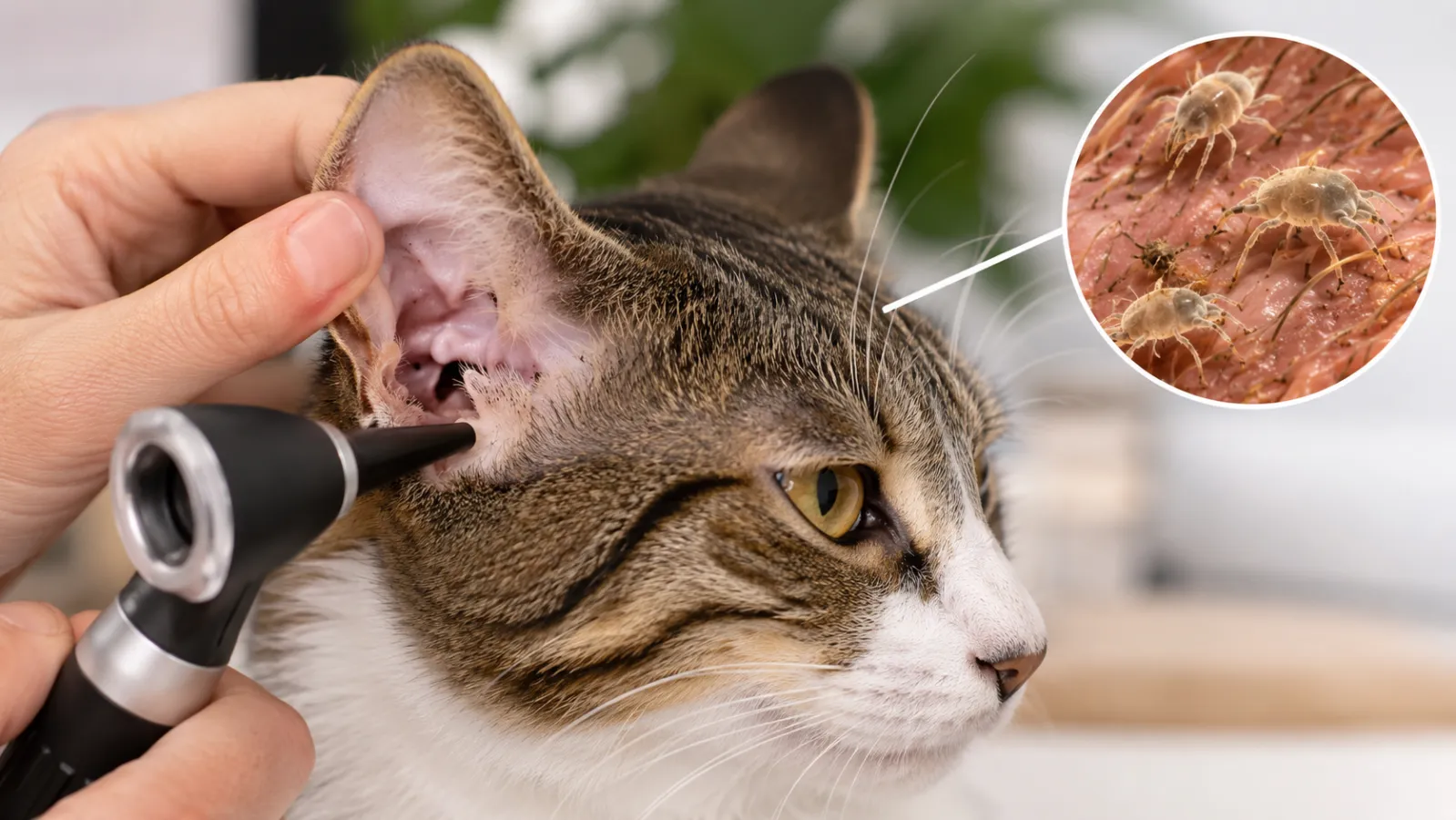
- Dirty ears
- Bad breath
- Sudden weight loss
Poor grooming may suggest arthritis, obesity, or illness.
Section 3: Real-World Examples and Use Cases
Example 1: Sudden Hiding Behavior
A family noticed their usually social cat hiding under the bed for two days. The cat also stopped eating. A veterinary visit revealed a fever caused by infection. Early treatment helped the cat recover quickly.
Example 2: Frequent Litter Box Visits
A teacher observed that her cat was visiting the litter box many times but producing very little urine. The cat had a urinary blockage that required urgent medical care.
Example 3: Weight Loss in an Older Cat
Parents noticed their senior cat losing weight even though it continued eating. A check-up showed kidney disease. Early diagnosis helped manage the condition with diet changes and medication.
These examples show how small changes can point to serious health concerns.
Section 4: Benefits of Recognizing Illness Early
Faster Treatment
Early diagnosis often means simpler and more effective treatment.
Lower Veterinary Costs
Minor problems are usually cheaper to treat than advanced illnesses.
Better Quality of Life
Cats experience less pain and discomfort when problems are addressed early.
Longer Lifespan
Regular monitoring and quick action may help cats live healthier lives.
Stronger Pet Care Habits
Families become more responsible and aware of animal health needs.
Section 5: Common Mistakes Cat Owners Make
Ignoring Small Symptoms
Many owners assume symptoms will disappear on their own. Small issues can quickly become serious.
Waiting Too Long for Veterinary Care
Cats often hide pain. Delaying medical help can worsen illness.
Changing Food Suddenly
Quick diet changes may cause stomach problems and stress.
Missing Regular Check-Ups
Annual veterinary visits help detect hidden diseases early.
Assuming Cats Always Sleep a Lot
While cats do sleep often, extreme lethargy should never be ignored.
Section 6: Helpful Tools, Tips, and Frameworks
Daily Observation Routine
Spend a few minutes daily checking:
- Eating habits
- Water intake
- Energy level
- Litter box use
- Coat condition
Simple observation can reveal early warning signs.
Health Tracking Apps
Pet health apps can help owners record:
- Medication schedules
- Weight changes
- Feeding habits
- Veterinary appointments
Smart Feeding Devices
Automatic feeders help monitor how much food a cat eats each day.
AI-Powered Pet Monitoring
Some smart pet cameras and AI tools can detect unusual behavior patterns, movement changes, or inactivity.
Emergency Pet Checklist
Keep these ready:
- Veterinary contact information
- Emergency clinic number
- Medical records
- Medication list
- Travel carrier
Preparation helps during emergencies.
Key Takeaways
- Cats often hide illness until symptoms become serious.
- Common signs your cat is sick include appetite changes, vomiting, low energy, and litter box problems.
- Early detection improves treatment success and reduces health risks.
- Daily observation helps identify behavior changes quickly.
- Regular veterinary check-ups are essential for long-term cat health.
- Breathing problems, urinary issues, and severe lethargy require immediate attention.
- Families and educators can teach children responsible pet care through daily monitoring habits.
FAQ Section
What are the first signs your cat is sick?
The first signs often include loss of appetite, hiding, sleeping more than usual, vomiting, and reduced activity.
When should I take my cat to the vet?
You should contact a veterinarian if symptoms last more than 24 hours or if your cat has trouble breathing, severe vomiting, or urinary problems.
Is vomiting always a sign of illness in cats?
Occasional hairballs may be normal, but frequent vomiting is not and should be checked by a veterinarian.
Why is my cat suddenly hiding?
Cats may hide when they feel stressed, sick, injured, or in pain.
Can cats recover quickly from illness?
Many cats recover well if health problems are detected and treated early.
How can I monitor my cat’s health at home?
Watch eating habits, litter box use, grooming, sleep patterns, and activity levels daily.
Conclusion
Understanding the signs your cat is sick can help owners protect their pets and respond quickly to health problems. Small behavior changes often provide important clues about a cat’s condition. Early attention, regular monitoring, and proper veterinary care can improve your cat’s quality of life and prevent serious complications.
If you notice unusual behavior or physical symptoms, do not ignore them. A simple check-up may help your cat stay healthy and comfortable for years to come.