Introduction
Choosing the right healthy cat food is one of the most important decisions for cat owners. A balanced diet helps cats stay active, maintain a healthy weight, and avoid common health problems. Many pet owners feel confused because there are many food brands and feeding options available today.
Cats need high-quality protein, healthy fats, vitamins, and minerals every day. Feeding poor-quality food can affect their energy, coat, digestion, and long-term health. Understanding what makes cat food healthy helps owners make smarter choices for their pets.
This guide explains the best healthy foods your cat will love, common mistakes to avoid, and practical feeding tips for daily care.
What Is Healthy Cat Food?
Healthy cat food is food that gives cats the nutrients they need for proper growth, energy, and body function. Cats are obligate carnivores, which means they mainly need animal-based protein to survive and stay healthy.
A good diet supports:
- Strong muscles
- Healthy skin and fur
- Better digestion
- Strong immunity
- Healthy bones and teeth
- Proper weight management
The quality of ingredients matters more than attractive packaging. Healthy cat food should contain real meat, balanced nutrients, and minimal fillers.
Important Nutrients Cats Need
Protein
Protein helps build muscles and supports body repair. Chicken, fish, turkey, and lamb are excellent protein sources.
Healthy Fats
Fats provide energy and support brain and skin health. Omega-3 and Omega-6 fatty acids are especially useful.
Vitamins and Minerals
Cats need vitamins like A, D, and E along with minerals such as calcium and phosphorus.
Water
Hydration is essential. Wet cat food can help cats consume more water daily.
Best Healthy Foods Your Cat Will Love
1. High-Quality Wet Cat Food
Wet food contains moisture that supports hydration and kidney health. Many cats also prefer the taste and texture.
Benefits:
- Easier digestion
- Higher water content
- Better for urinary health
Look for wet food with:
- Real meat as the first ingredient
- Limited artificial preservatives
- Low filler content
2. Protein-Rich Dry Cat Food
Dry food is convenient and can help support dental health when used correctly.
Choose dry food with:
- High animal protein
- Low carbohydrates
- No unnecessary fillers
Good protein sources include:
- Chicken
- Salmon
- Turkey
- Tuna
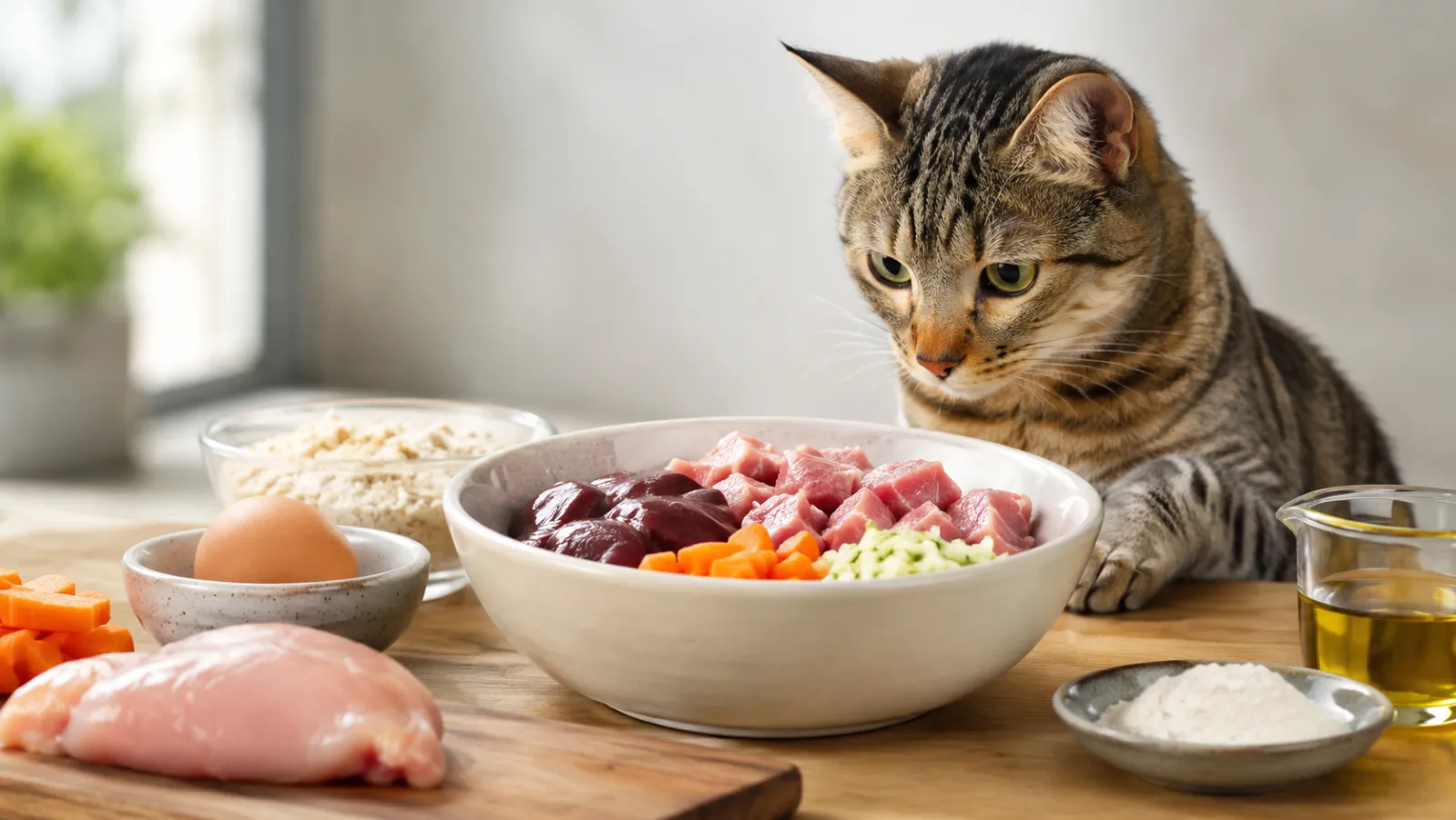
3. Cooked Chicken
Plain cooked chicken is a healthy treat for cats. It provides lean protein and is easy to digest.
Important Tip:
Do not add salt, spices, garlic, or onion.
4. Fish in Moderation
Fish like salmon or tuna can provide healthy fatty acids that improve skin and coat quality.
Use carefully:
- Avoid raw fish
- Feed in moderation
- Choose low-sodium options
5. Pumpkin
Small amounts of pumpkin can support digestion and reduce constipation.
Benefits:
- Rich in fiber
- Supports digestive health
- Easy to add to meals
6. Eggs
Cooked eggs provide protein and healthy fats.
Feeding Tip:
Serve fully cooked eggs only.
7. Cat-Safe Vegetables
Some vegetables can be healthy additions to a cat’s diet.
Examples include:
- Carrots
- Peas
- Green beans
Vegetables should only be small supplements, not the main meal.
Practical Feeding Strategies for Cat Owners
Choose Food Based on Age
Cats need different nutrients at different life stages.
Kittens
Need higher calories and protein for growth.
Adult Cats
Require balanced nutrition for maintenance.
Senior Cats
May need softer food and easier digestion.
Read Ingredient Labels Carefully
Always check the first few ingredients.
Look for:
- Real meat first
- Named protein sources
- Essential vitamins
Avoid:
- Excessive fillers
- Artificial coloring
- Too much sugar or salt
Maintain Portion Control
Overfeeding can cause obesity and health issues.
Helpful Tips:
- Follow feeding guidelines
- Use measuring cups
- Avoid excessive treats
Provide Fresh Water Daily
Hydration is essential for kidney and urinary health.
Clean water bowls every day and refill regularly.
Real-World Examples of Healthy Cat Feeding
Example 1: Busy Family with Indoor Cats
A family with two indoor cats switched from low-quality dry food to balanced wet and dry food combinations. Within weeks, the cats showed improved energy and shinier coats.
Example 2: Senior Cat with Digestive Issues
An older cat experiencing stomach problems benefited from soft wet food and small portions of pumpkin added to meals. Digestion improved significantly.
Example 3: Kitten Growth Support
A young kitten received high-protein kitten food with proper feeding schedules. The kitten maintained healthy growth and strong activity levels.
Benefits of Feeding Healthy Cat Food
Better Energy Levels
Cats stay more active and playful with balanced nutrition.
Improved Coat and Skin
Healthy fats support shiny fur and reduce dry skin.
Stronger Immune System
Quality nutrients help cats fight illness.
Better Digestion
Healthy ingredients reduce stomach problems and improve nutrient absorption.
Weight Management
Balanced meals help prevent obesity.
Longer Lifespan
Good nutrition supports long-term health and wellness.
Common Mistakes Cat Owners Make
Feeding Too Many Treats
Too many treats can lead to obesity and nutritional imbalance.
Ignoring Ingredient Labels
Cheap fillers and artificial ingredients may harm long-term health.
Feeding Unsafe Human Foods
Some human foods are dangerous for cats.
Avoid:
- Chocolate
- Onion
- Garlic
- Grapes
- Alcohol
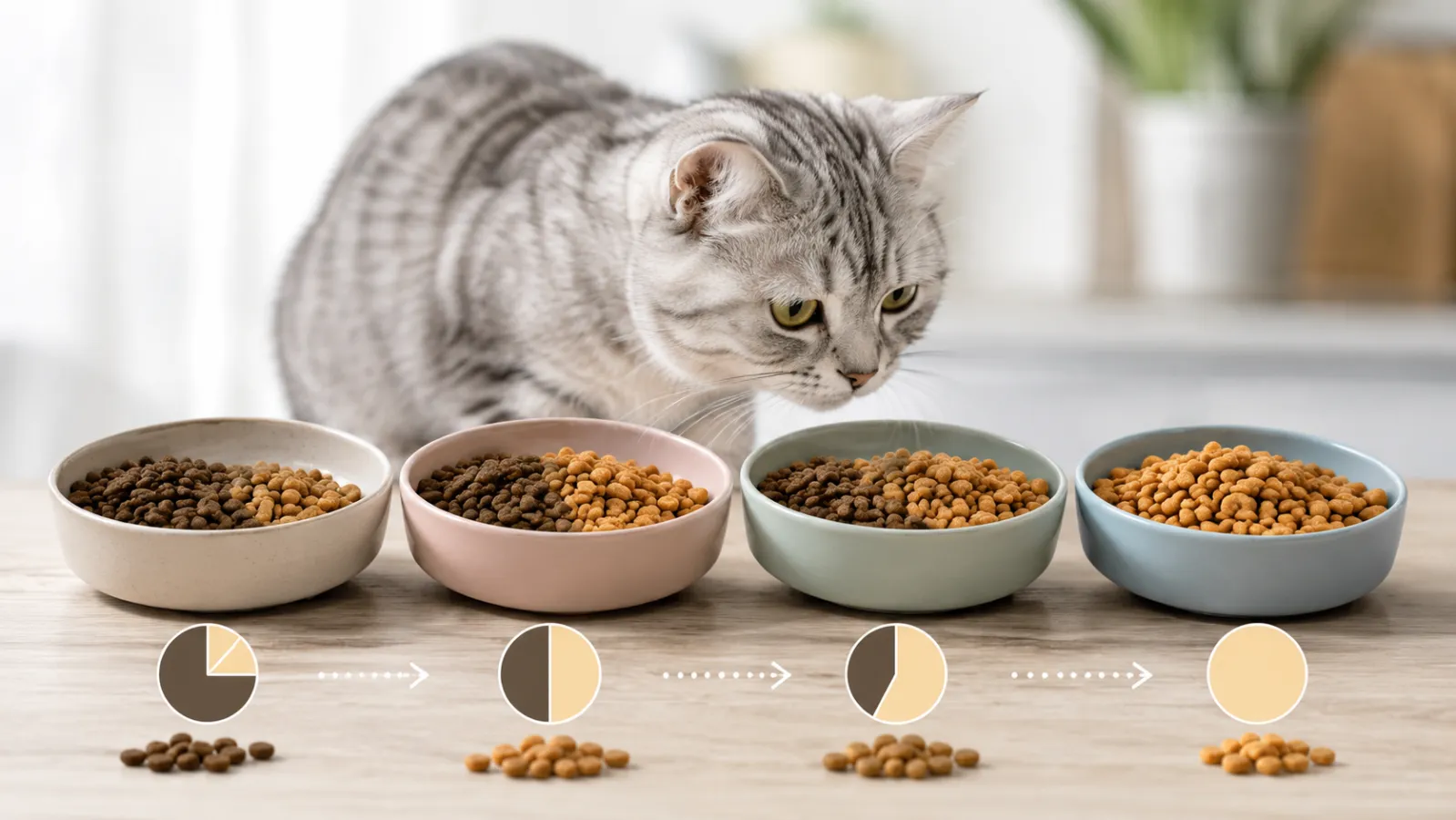
Sudden Food Changes
Changing food too quickly can upset digestion.
Transition gradually over 7–10 days.
Not Monitoring Water Intake
Dehydration can lead to serious health problems.
Useful Tools and Tips for Better Cat Nutrition
Feeding Schedule Charts
Simple feeding schedules help maintain consistency.
Portion Measuring Cups
Using measuring tools prevents overfeeding.
Pet Nutrition Apps
Some pet care apps help track feeding times, weight, and health changes.
Veterinary Guidance
A veterinarian can recommend food based on:
- Age
- Breed
- Weight
- Health conditions
AI-Based Pet Care Tools
Modern AI pet care tools can help monitor:
- Feeding habits
- Weight changes
- Activity levels
These tools support smarter pet care decisions.
Key Takeaways
- Healthy cat food should contain high-quality animal protein.
- Wet food supports hydration and urinary health.
- Portion control helps prevent obesity.
- Always read ingredient labels carefully.
- Cats need different nutrition at different life stages.
- Fresh water is essential every day.
- Avoid harmful human foods.
- Balanced nutrition improves energy, digestion, and immunity.
FAQ Section
What is the healthiest food for cats?
The healthiest food for cats contains high-quality animal protein, healthy fats, vitamins, and minerals with minimal fillers.
Is wet food better than dry food for cats?
Wet food helps improve hydration, while dry food offers convenience. Many owners use a balanced combination of both.
Can cats eat cooked chicken daily?
Cooked plain chicken can be part of a healthy diet, but cats still need balanced commercial food for complete nutrition.
What foods should cats avoid?
Cats should avoid chocolate, onions, garlic, grapes, alcohol, and heavily processed foods.
How often should I feed my cat?
Most adult cats eat two meals daily, while kittens may need more frequent feeding.
Why is protein important in healthy cat food?
Protein supports muscle growth, energy, and overall body function in cats.
Conclusion
Choosing healthy cat food is essential for your cat’s long-term health and happiness. Balanced nutrition supports energy, digestion, immunity, and overall wellness. By selecting high-quality ingredients and following proper feeding habits, cat owners can help their pets live healthier lives.
Start improving your cat’s diet today by choosing nutritious meals, monitoring portion sizes, and creating healthy feeding routines for better pet care.