Treats can be a wonderful part of life with a cat. They can help strengthen the bond between cats and their owners, make training more rewarding, encourage positive behavior, and provide extra enrichment throughout the day. From freeze-dried chicken to salmon bites and dental treats, there are many options available to North American cat owners.
However, treats should remain a small part of a cat's overall diet. Too many treats can contribute unnecessary calories, weight gain, and nutritional imbalance. Some human foods and heavily processed snacks may also contain ingredients that are unsuitable or unsafe for cats.
The healthiest approach is to choose treats that are appropriate for cats, offer them in moderation, and include their calories in the cat's overall daily intake. Whether you use commercial treats, freeze-dried meat, dental treats, or occasional homemade snacks, the goal should be to reward your cat without compromising its complete and balanced diet.
1. What Makes a Cat Treat Healthy?
A healthy cat treat does not necessarily have to contain a long list of ingredients or be marketed as "premium."
Instead, look for treats that are:
- Appropriate for cats
- Relatively low in calories
- Made with suitable ingredients
- Easy to portion
- Appropriate for your cat's age and health
- Used as a supplement to, rather than replacement for, a complete diet
For many healthy adult cats, simple animal-based treats can be a practical choice.
Freeze-dried chicken, turkey, or other meat treats can provide a small, protein-rich reward without adding large amounts of carbohydrates.
However, even a simple treat can contribute calories, so portion size still matters.
2. How Many Treats Can a Cat Have?
Treats should make up only a small portion of a cat's daily calorie intake.
Cornell University College of Veterinary Medicine recommends keeping treats to approximately 10–15% of a cat's daily calories. (vet.cornell.edu)
The exact number of treats will depend on the cat and the calorie content of the individual treat.
For example, one large treat may contain significantly more calories than several tiny training treats.
This means counting treats by number alone is not always useful.
Check the package for calorie information when available and adjust the amount of the cat's regular food if necessary.
Treats should complement the diet rather than becoming a major source of daily calories.
3. Use Treats for Training
Although cats are often considered independent animals, many cats can learn behaviors using positive reinforcement.
Treats can be useful rewards for:
- Coming when called
- Entering a carrier
- Using a scratching post
- Accepting grooming
- Learning tricks
- Cooperative handling
- Veterinary preparation
- Appropriate play behavior
The reward should be given immediately after the desired behavior so the cat can associate the behavior with the positive outcome.
Small treats are usually better for training because you may need to reward your cat several times during a session.
If the treats are tiny, you can provide multiple rewards without adding excessive calories.
Another option is to use a portion of the cat's normal food as training rewards.
This can be particularly helpful for cats that are already prone to weight gain.
4. Freeze-Dried Chicken Can Be a Simple Option
Freeze-dried chicken is a popular cat treat because it can contain a simple ingredient and is often highly appealing to cats.
A product made from a single animal protein can be convenient when you want to know exactly what your cat is eating.
However, "single ingredient" does not automatically mean unlimited.
Freeze-dried meat can be calorie-dense because much of the water has been removed.
Break larger pieces into smaller portions and check the feeding recommendations on the package.
If your cat has a confirmed food allergy, make sure the protein is compatible with its dietary plan.
For example, a cat with a chicken allergy should not receive freeze-dried chicken simply because it is marketed as a natural treat.
5. Salmon Bites Can Be Used in Moderation
Many cats enjoy the strong smell and flavor of fish.
Small salmon treats can therefore be useful as occasional rewards.
However, salmon bites should not replace a complete and balanced cat food.
Check the ingredients and calorie content, particularly if the treats contain additional oils, flavorings, or other ingredients.
Fish-based treats may also be inappropriate for cats with specific dietary restrictions.
If your veterinarian has recommended a limited-ingredient or hydrolyzed diet, ask before introducing new treats.
6. Low-Calorie Treats Can Help With Weight Management
Weight management is one of the most important reasons to pay attention to treat calories.
A cat that receives several high-calorie treats every day can gain weight even when its main food is carefully portioned.
Low-calorie treats can provide rewards without adding as many calories.
Some options include:
- Very small pieces of appropriate commercial cat treats
- Tiny portions of freeze-dried meat
- Small portions of the cat's regular food
- Veterinary-approved low-calorie treats
The size of the treat matters.
A cat does not need a large piece of food to understand that it has received a reward.
For training, breaking a treat into several smaller pieces can make one treat last much longer.
7. Homemade Cat Treats Can Be Appropriate
Some owners prefer to prepare homemade treats because they want greater control over ingredients.
Simple homemade treats may include small amounts of plain, thoroughly cooked meat without seasoning.
For example, a small piece of cooked chicken may be used as an occasional treat for a cat that tolerates chicken.
However, homemade treats should not contain ingredients that are toxic or inappropriate for cats.
Avoid:
- Onion
- Garlic
- Chocolate
- Alcohol
- Excessive salt
- Heavily seasoned foods
- Certain artificial sweeteners
- Foods known to be toxic to cats
Never assume that a human recipe is appropriate simply because it contains meat.
Cats have different nutritional requirements from people.
8. Avoid Giving Too Many Table Scraps
Table scraps can quickly become an uncontrolled source of calories.
A small bite may seem harmless, but repeated feeding throughout the day can add up.
Human foods can also contain ingredients that are inappropriate or toxic to cats.
For example, sauces and gravies may contain onion or garlic.
Processed foods can contain excessive salt.
Desserts may contain chocolate or other unsafe ingredients.
Instead of randomly sharing food from your plate, choose a specific cat-safe treat and control the portion.
This makes it easier to monitor exactly what your cat consumes.
9. Dental Treats Can Support Oral Care
Dental treats are designed to help support oral hygiene.
Some products are specifically formulated to reduce plaque or tartar through their texture and mechanical action.
However, dental treats should not be viewed as a replacement for professional dental care or regular oral-health routines.
When choosing a dental treat, look for products designed specifically for cats.
Consider the calorie content as well.
A dental treat can still contribute significant calories if given frequently.
If your cat already has dental disease, pain, broken teeth, or difficulty chewing, ask your veterinarian whether a particular dental treat is appropriate.
10. What About Catnip Treats?
Catnip treats can provide enrichment for cats that respond to catnip.
Catnip contains a compound called nepetalactone that can trigger a temporary behavioral response in some cats.
Not every cat responds to catnip, and the reaction can vary.
Catnip-based treats can be used occasionally as part of enrichment, but they should still be treated like other snacks.
Check the ingredient list and calorie content.
Catnip does not make an otherwise unsuitable treat nutritionally appropriate.
The main benefit is enrichment rather than essential nutrition.
11. Ingredients to Avoid
Before giving your cat a treat, check the ingredients.
Avoid treats containing ingredients known to be toxic or inappropriate for cats.
Important foods to keep away from cats include:
- Chocolate
- Onions
- Garlic
- Raisins
- Grapes
- Alcohol
- Excessively salty foods
- Raw yeast dough
Cats should also not be given heavily seasoned human snacks simply because they contain meat.
If you are unsure whether an ingredient is safe, do not give the treat until you have confirmed its suitability with a reliable veterinary source.
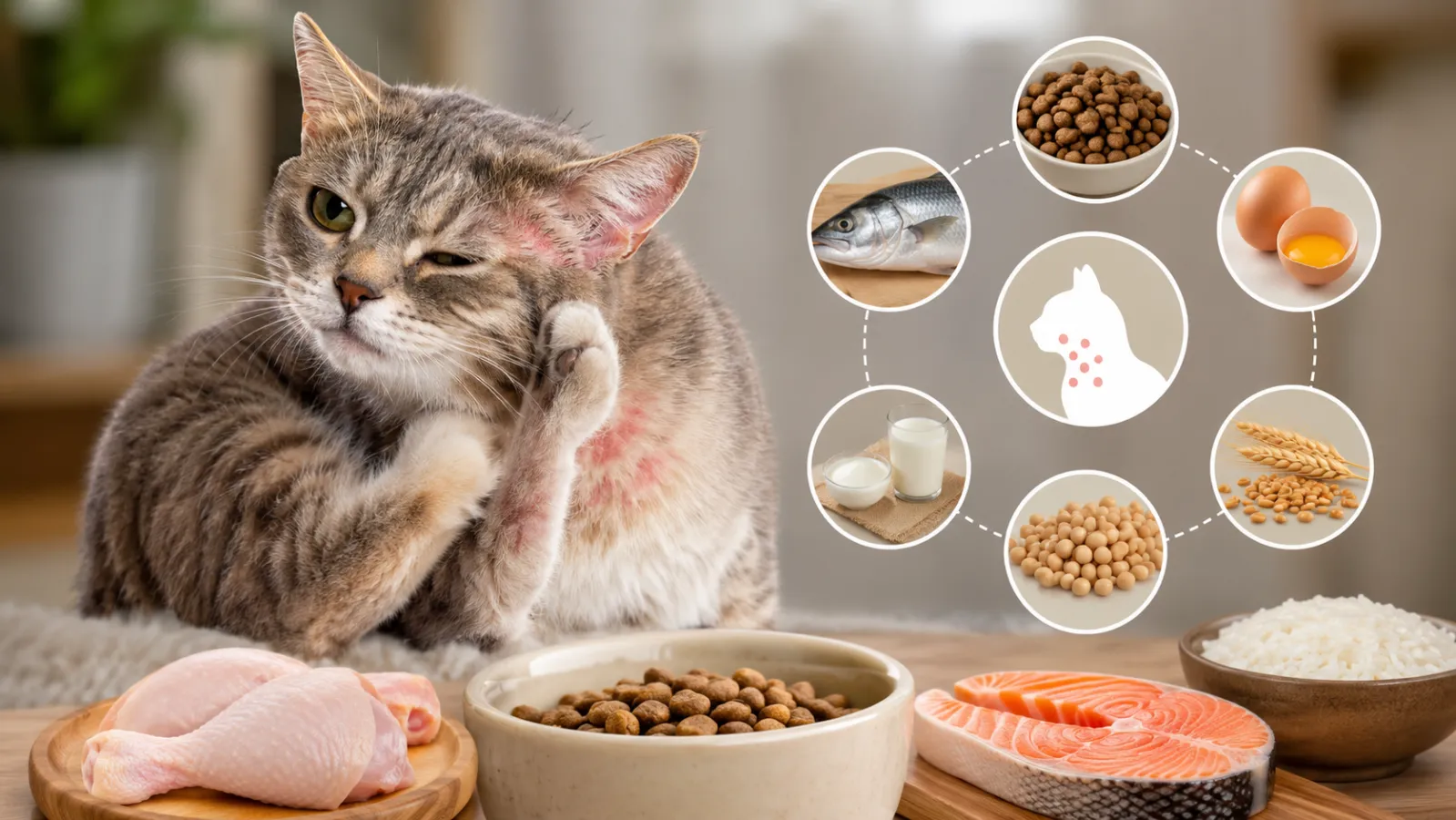
12. Treats for Cats With Food Allergies
Cats with food allergies need additional caution.
A cat undergoing an elimination diet may need to avoid all treats that are not specifically approved by the veterinarian.
Even a small treat can introduce a protein that interferes with the dietary trial.
For example, if a cat is undergoing a chicken-free elimination diet, chicken-based treats should obviously be avoided.
The same principle applies to freeze-dried treats, dental treats, flavored supplements, and table scraps.
If your cat has a confirmed food allergy, choose treats that are compatible with its long-term dietary plan.
13. Treats for Overweight Cats
Overweight cats need careful treat management.
Rather than eliminating treats completely, consider reducing the calorie content and size of each reward.
You can also use non-food rewards.
For example:
- Interactive play
- Petting
- Brushing
- Catnip toys
- Favorite toys
- Extra playtime
- Access to a preferred resting area
Some cats respond more strongly to play than food.
If your cat is on a veterinarian-supervised weight-loss program, ask which treats are appropriate and how they should fit into the daily calorie allowance.
Never drastically restrict food without veterinary guidance.
14. Treats for Senior Cats
Older cats may have different needs than younger adults.
A senior cat may have dental disease, reduced appetite, digestive problems, or a medical condition requiring a specialized diet.
Soft treats may be easier for some older cats to chew.
However, soft does not automatically mean healthy.
Look at the nutritional content and ingredients.
If your senior cat is eating a therapeutic diet for a medical condition, ask your veterinarian before adding commercial treats.
Sometimes the safest reward is a small portion of the prescribed food.
15. Treat Storage Is Important
Proper storage helps preserve freshness and reduce contamination.
Keep treats in a clean, dry, sealed container according to the manufacturer's instructions.
Do not use treats that smell unusual, appear moldy, or have changed significantly in texture.
Pay attention to expiration dates.
If a treat requires refrigeration after opening, follow the package instructions.
Homemade treats generally have a shorter shelf life than commercially packaged treats and should be stored safely.
When preparing homemade treats, use good food hygiene practices and clean food-preparation surfaces thoroughly.
16. Treats Should Not Replace Meals
Treats are not designed to provide complete nutrition.
A cat's primary diet should be a complete and balanced food appropriate for its life stage.
Giving too many treats can reduce the amount of nutritionally complete food the cat consumes.
This can become particularly problematic when a cat becomes so accustomed to treats that it begins refusing its normal diet.
Use treats as rewards, enrichment, or occasional snacks rather than as a substitute for meals.
17. Use Treats as Part of Enrichment
Treats can do more than provide extra calories.
Used strategically, they can encourage natural behaviors and mental stimulation.
Puzzle feeders can require cats to work for small food rewards.
Treat-dispensing toys can encourage movement and exploration.
You can also hide tiny portions of treats in safe areas and encourage your cat to search for them.
These activities can help make indoor life more engaging.
The key is to use only part of the daily calorie allowance rather than adding unlimited snacks.
18. Read the Treat Label
Treat packaging can provide useful information.
Look for:
- Calorie information
- Ingredient list
- Feeding recommendations
- Guaranteed analysis
- Appropriate life-stage information
- Storage instructions
Be particularly careful with treats that make strong health claims.
A treat marketed as "natural," "premium," or "high protein" is not automatically healthier than another product.
Calories and ingredients matter more than marketing language.
If your cat has a medical condition, ask your veterinarian whether the treat is compatible with the prescribed diet.
19. Common Treat-Giving Mistakes
Several habits can unintentionally lead to overfeeding.
One common mistake is giving treats whenever the cat asks.
Another is forgetting that multiple family members may be giving treats throughout the day.
A cat may receive a snack from one person in the morning, another from a family member at lunch, and several more in the evening.
Without communication, nobody knows the total amount.
Another mistake is using large treats during training.
Breaking treats into tiny pieces can provide the same reward while reducing calories.
Owners should also avoid assuming that healthy ingredients can be given without limits.
Even freeze-dried chicken and salmon bites contribute calories.
20. A Practical Treat Routine
A simple routine can make treat management easier.
Morning:
Use a few small treats during grooming or handling practice.
Afternoon:
Use part of the cat's normal food allowance in a puzzle feeder.
Evening:
Offer a small dental treat if appropriate.
During training:
Use tiny pieces of a suitable treat or regular food.
Throughout the day:
Provide play, attention, and enrichment that do not always involve food.
This approach allows treats to remain enjoyable without becoming a major source of calories.
21. How to Choose the Right Treat for Your Cat
The best treat depends on your cat's individual circumstances.
For a healthy adult cat:
Small, low-calorie treats or freeze-dried meat may be suitable.
For an overweight cat:
Choose very small portions or use part of the regular diet as rewards.
For a cat with food allergies:
Use only treats compatible with the elimination or long-term dietary plan.
For a senior cat:
Consider soft textures if chewing is difficult.
For training:
Choose tiny treats that can be given frequently without adding excessive calories.
For dental care:
Consider veterinary-recommended dental treats alongside appropriate oral hygiene.
Final Thoughts
Healthy cat treats can be a valuable part of responsible pet care when used thoughtfully.
Freeze-dried chicken, salmon bites, dental treats, catnip treats, and other specially formulated cat snacks can provide variety, enrichment, and positive reinforcement.
However, treats should remain a small part of the diet. Cornell University recommends keeping treats around 10–15% of daily calories, with the rest coming from complete and balanced nutrition. (vet.cornell.edu)
Always consider the ingredients, calorie content, your cat's health, and any dietary restrictions.
Cats with allergies, obesity, kidney disease, diabetes, or other medical conditions may require more careful treat selection.
Treats should never replace meals or become an uncontrolled source of calories.
The best approach is simple: choose appropriate treats, keep portions small, use them purposefully, store them properly, and include their calories in your cat's overall feeding plan.
When used correctly, treats can do much more than spoil your cat. They can strengthen your relationship, support positive training, provide mental stimulation, and make everyday care more enjoyable while keeping your cat's nutritional needs at the center of the routine.