Proper nutrition is the foundation of a healthy and happy cat. The food your cat eats affects almost every part of their well-being, including healthy growth, strong muscles, immune function, digestion, hydration, energy levels, skin, coat, and healthy body weight. Whether you have a growing kitten, an active adult cat, or a senior companion, choosing the right diet is one of the most important responsibilities of cat ownership.
Cats have specific nutritional requirements because they are obligate carnivores. Their bodies are designed to obtain essential nutrients from animal-based foods, but feeding plain meat alone does not provide a complete diet. Cats need the right balance of protein, fats, amino acids, vitamins, minerals, and water.
For cat owners across North America, commercially prepared cat foods can make balanced feeding much easier. The most important thing is to select a food that is complete and balanced for your cat's life stage and individual needs. A good feeding routine should also include portion control, access to fresh water, appropriate treats, and regular monitoring of your cat's body condition.
1. Understand Your Cat's Essential Nutrients
Cats need several essential nutrients to remain healthy. Calories are important, but nutrition is about much more than simply meeting energy requirements.
Protein is one of the most important components of a cat's diet. It supports muscles, organs, tissues, enzymes, hormones, skin, and other body functions. Cats also require specific amino acids that their bodies cannot produce in sufficient amounts on their own.
Taurine is a particularly important amino acid for cats. It supports normal vision, heart function, reproduction, and other physiological processes. Cats must obtain taurine through their diet.
Fat is another important source of energy. Dietary fats also help with the absorption of certain vitamins and provide essential fatty acids needed for healthy skin, coat, and normal cellular function.
Vitamins and minerals are required in carefully balanced amounts. They support bones, teeth, metabolism, nerves, muscles, immune function, and many other processes.
Water is also an essential nutrient. Cats need adequate water every day, even when they do not appear to drink frequently.
This is why feeding a homemade diet without professional nutritional guidance can be risky. A recipe that appears healthy may still be deficient in important nutrients or contain incorrect nutrient ratios. A properly formulated complete and balanced cat food is generally a much safer starting point for everyday feeding.
2. Wet Food vs. Dry Kibble
One of the most common questions among cat owners is whether wet food or dry food is better.
The answer depends on the individual cat. Both can be appropriate when they provide complete and balanced nutrition and are suitable for the cat's age and health status.
Wet food has a major nutritional advantage: its high moisture content. Canned cat food generally contains much more water than dry kibble. This can help increase overall water intake, which may be particularly useful for cats that do not naturally drink much.
Wet food can also be appealing to cats because of its aroma, texture, and taste. Some cats that are picky eaters prefer pâté, chunks in gravy, or other moist textures.
Dry kibble offers several practical benefits. It is convenient, easy to store, simple to portion, and often less expensive per serving. For busy households, dry food can be an efficient part of a feeding routine.
Many cat owners choose to combine the two. For example, a cat may receive wet food at one meal and a measured amount of dry kibble at another.
There is no universal rule stating that every cat must eat only wet food or only dry food. The better approach is to consider your cat's preferences, hydration, calorie needs, dental health, lifestyle, and veterinary recommendations.
3. Establish a Consistent Feeding Schedule
Cats generally benefit from predictable daily routines. Feeding at regular times makes it easier to control portions, monitor appetite, and notice changes in eating habits.
Adult cats can often do well with two measured meals per day, although some cats prefer smaller meals spread throughout the day.
Kittens have different needs because they are growing rapidly and generally require more frequent feeding.
Free-feeding is another option, particularly with dry kibble. However, leaving food available at all times does not work equally well for every cat. Some cats regulate their intake naturally, while others continue eating because the food is constantly available.
Over time, uncontrolled grazing can contribute to excessive calorie intake and weight gain.
Scheduled feeding can also help you detect health problems earlier. If a normally hungry cat suddenly refuses food, eats considerably less, or becomes unusually hungry, the change is easier to identify when meals are structured.
A routine might look like this:
Morning: Measured breakfast
Afternoon: Small meal or enrichment feeding when appropriate
Evening: Measured dinner
Treats: Small amounts distributed throughout the day
The exact schedule should be adapted to your cat's age, lifestyle, health, and calorie needs.
4. Practice Portion Control
Choosing a high-quality food is only one part of healthy feeding. The amount you give your cat matters just as much.
Overfeeding can contribute to obesity, which can increase the risk of several health problems and reduce your cat's quality of life.
Start by checking the feeding instructions on the food package. These guidelines provide a useful starting point, but every cat is different. An indoor cat that spends most of the day sleeping may need fewer calories than a highly active cat.
Measuring food is much more accurate than guessing.
A measuring cup can be helpful, but using a kitchen scale can provide even greater consistency. This is especially useful when your cat needs precise calorie control.
Do not rely only on the number printed on the scale. Body condition is important too. Your cat should have an appropriate amount of body fat and muscle, and you should be able to assess their body shape without excessive fat covering the ribs and abdomen.
Regularly monitoring your cat's weight and body condition can help you identify gradual changes before they become major problems.
5. Feed According to Life Stage
Cats have different nutritional requirements at different stages of life.
Kittens need food specifically formulated for growth and development. Growing cats require adequate energy and nutrients to support bones, muscles, organs, and their rapidly developing bodies.
Adult cats generally require a maintenance diet designed to support their current body condition and activity level.
Senior cats may have changing nutritional requirements. Aging can affect appetite, digestion, muscle mass, activity, and the risk of certain health problems.
Pregnant and nursing cats also require additional nutritional support because their bodies have greater energy and nutrient demands.
When choosing a food, read the nutritional adequacy statement carefully. Look for wording indicating that the food is complete and balanced for the appropriate life stage.
Do not assume that a food designed for kittens is automatically appropriate for adult cats, or that a generic adult formula is ideal for an elderly cat with specific nutritional needs.
Cats with medical conditions may require a therapeutic diet recommended by a veterinarian.
6. Choose Healthy Treats
Treats can be a useful part of your cat's routine. They can reinforce positive behavior, support training, encourage interaction, and make enrichment activities more engaging.
However, treats should not replace balanced meals.
A practical guideline is to keep treats to a small percentage of your cat's daily calorie intake. Even tiny treats can add up when given repeatedly throughout the day.
Choose treats specifically formulated for cats whenever possible. You can also use very small portions of appropriate cooked foods if your veterinarian considers them safe.
Avoid giving large amounts of treats simply because your cat asks for them.
Treats can also be used as part of enrichment. For example, a few small treats can be placed in a puzzle feeder or used during interactive games.
This allows food rewards to provide both nutrition and mental stimulation.
7. Know Which Foods to Avoid
Many foods that are perfectly normal for people can be dangerous for cats.
Onions, garlic, and related foods can damage red blood cells and should not be given to cats.
Chocolate is also unsafe and should always be kept out of reach.
Alcohol is dangerous for cats and should never be offered.
Some cats also have difficulty digesting dairy products. Although the image of a cat drinking milk is common in popular culture, many adult cats are lactose intolerant and can experience digestive upset after consuming milk.
Raw meat and raw diets also require caution. Raw foods can carry harmful bacteria and parasites, and improperly balanced homemade diets can fail to provide essential nutrients.
Bones can also present serious hazards, including choking, broken teeth, or digestive tract injuries.
Another important rule is to avoid giving cats supplements unless they have been recommended by a veterinarian. More vitamins are not necessarily better, and certain supplements can become harmful when given in inappropriate amounts.
If your cat accidentally eats a potentially toxic food, contact a veterinarian promptly rather than waiting for symptoms.
8. Make Hydration a Daily Priority
Hydration is often overlooked when discussing cat nutrition, but it is extremely important.
Some cats have a naturally low thirst drive and may not drink large quantities from a bowl. This is one reason moisture-rich foods can be useful.
Fresh drinking water should always be available. Clean water bowls regularly and refill them whenever the water becomes dirty or stale.
Some cats prefer wide, shallow bowls, while others prefer drinking from a fountain.
Water fountains can be a useful option for cats that enjoy moving water. A fountain may encourage some cats to drink more, although individual preferences vary.
Wet food is another effective way to increase water intake because it naturally contains a high proportion of moisture.
You can also place multiple water stations around your home, especially if you have more than one cat.
Changes in drinking behavior are worth paying attention to. A cat that suddenly starts drinking much more or much less than usual may require veterinary evaluation.
9. Learn How to Read a Cat Food Label
A colorful package does not necessarily tell you whether a food is right for your cat. Learning how to read the label is an important part of responsible feeding.
Start with the nutritional adequacy statement. This helps you determine whether the food is intended to provide complete and balanced nutrition for a specific life stage.
Next, check the calorie information. Understanding calorie density makes it easier to calculate how much food your cat actually needs.
Look at the feeding instructions as well. Remember that these are guidelines, not exact prescriptions for every cat.
The ingredient list can provide useful information, but it should not be the only thing you consider.
Ingredients are generally listed by weight before processing, but an ingredient list alone does not tell you whether the finished food provides every required nutrient in the appropriate amounts.
When comparing products, focus on overall nutritional adequacy, life-stage suitability, calorie content, ingredient quality, and your cat's individual needs.
Do not assume that the most expensive product is automatically the healthiest. Price and packaging are not substitutes for balanced nutrition.
10. Build a Practical Daily Feeding Routine
Healthy cat feeding does not have to be complicated.
A practical routine can include:
A complete and balanced food appropriate for your cat's life stage
Measured portions based on calorie needs
Fresh drinking water available throughout the day
Wet food, dry kibble, or a combination that suits your cat
Limited treats
Regular weight and body-condition monitoring
Routine veterinary checkups
For example, an adult indoor cat might receive a measured portion of dry kibble in the morning, wet food in the evening, and a few small treats during playtime.
Another cat might do better with three smaller meals.
The goal is not to create a perfect schedule for every cat. The goal is to establish a routine that provides appropriate nutrition without excessive calories.
Common Cat Feeding Mistakes to Avoid
Even caring owners can accidentally create unhealthy feeding habits.
One common mistake is overfeeding. Cats may beg for food even when they have already consumed enough calories.
Another mistake is relying too heavily on treats. Treats should complement meals rather than become a major part of the diet.
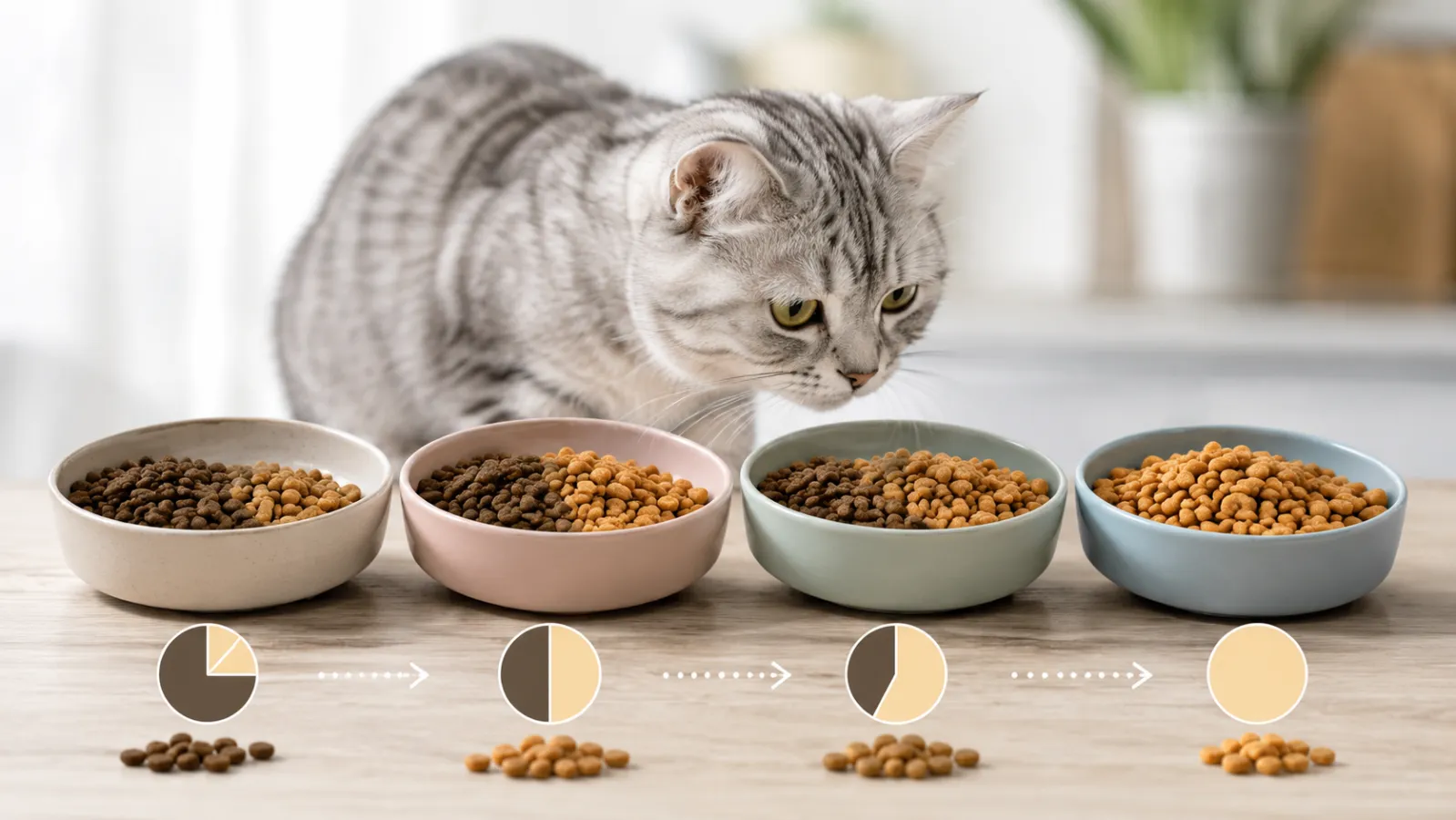
Suddenly changing food is another common problem. When changing diets, a gradual transition is often better tolerated than an abrupt switch.
Some owners also focus too much on marketing terms such as "natural," "premium," or "holistic." These words do not automatically mean that a product is nutritionally superior.
Another mistake is ignoring changes in appetite. A cat that suddenly stops eating should not simply be assumed to be picky.
Cats can develop serious health problems when they do not eat for prolonged periods, so significant appetite changes deserve prompt veterinary attention.
The Importance of Veterinary Guidance
Every cat is an individual.
A feeding plan that works perfectly for a young, active cat may not be appropriate for an overweight senior cat or a cat with a medical condition.
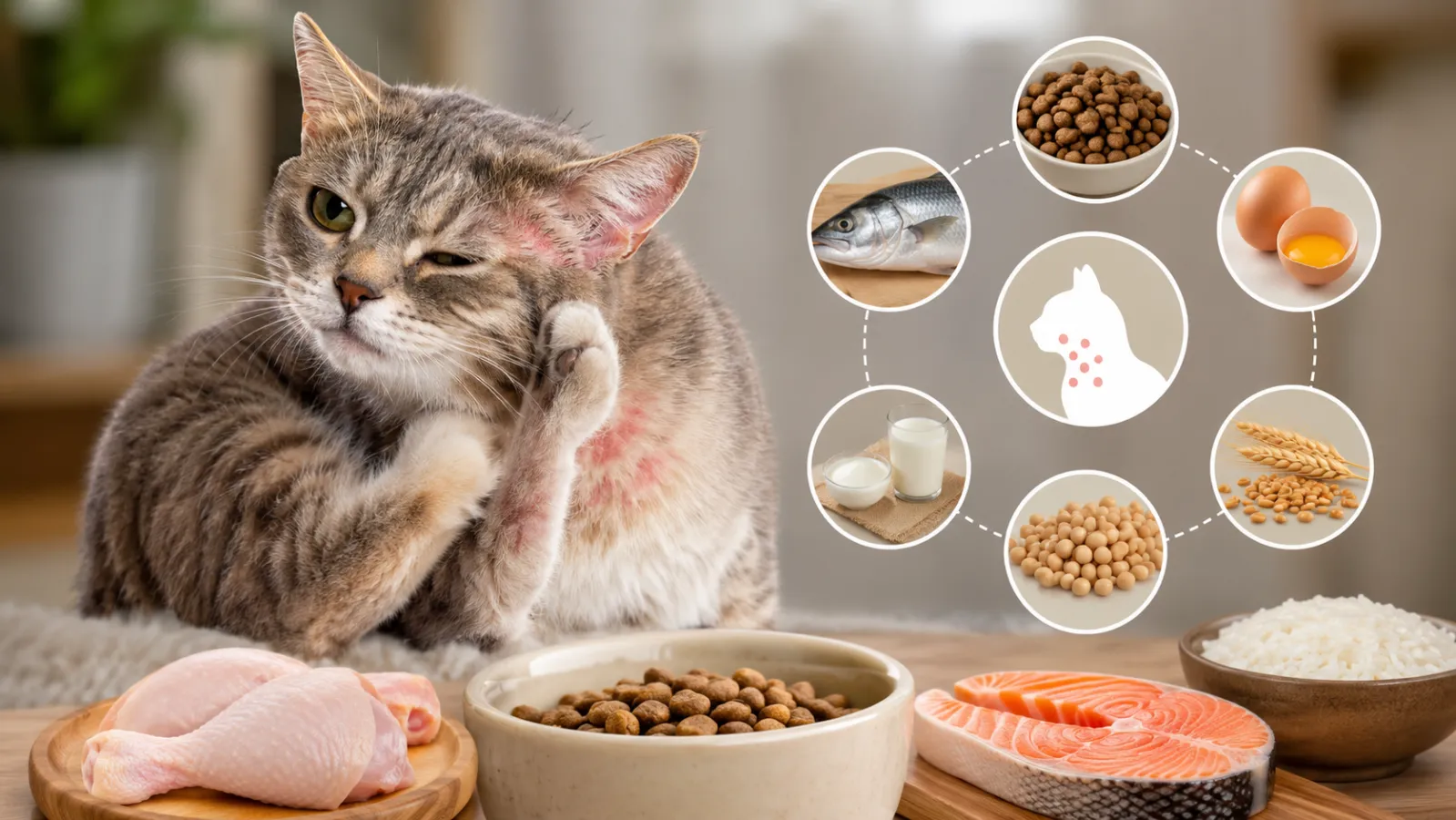
Veterinary guidance becomes particularly important when your cat has kidney disease, urinary problems, digestive disorders, diabetes, food allergies, dental disease, or another diagnosed condition.
Your veterinarian can evaluate your cat's body condition, weight, activity level, age, and health history before recommending an appropriate diet.
Professional advice is especially valuable when considering homemade diets, supplements, raw feeding, weight-loss plans, or prescription nutrition.
Final Thoughts
Cat nutrition is about much more than choosing a bag or can of food. It involves understanding your cat's nutritional requirements, selecting a complete and balanced diet, controlling portions, providing adequate hydration, choosing appropriate treats, and adjusting nutrition as your cat grows older.
Wet food, dry kibble, water fountains, and high-protein formulas can all be useful tools. What matters most is whether the overall feeding plan meets your cat's nutritional needs while maintaining a healthy body condition.
For North American cat owners, the best approach is to focus on balanced nutrition rather than marketing trends. Read labels carefully, measure portions, keep toxic foods away, provide clean water every day, and monitor changes in appetite or weight.
A thoughtful feeding routine can support healthy growth, strong muscles, good hydration, and long-term well-being. With the right nutrition and regular veterinary care, you can give your cat a strong foundation for a healthier, happier life.