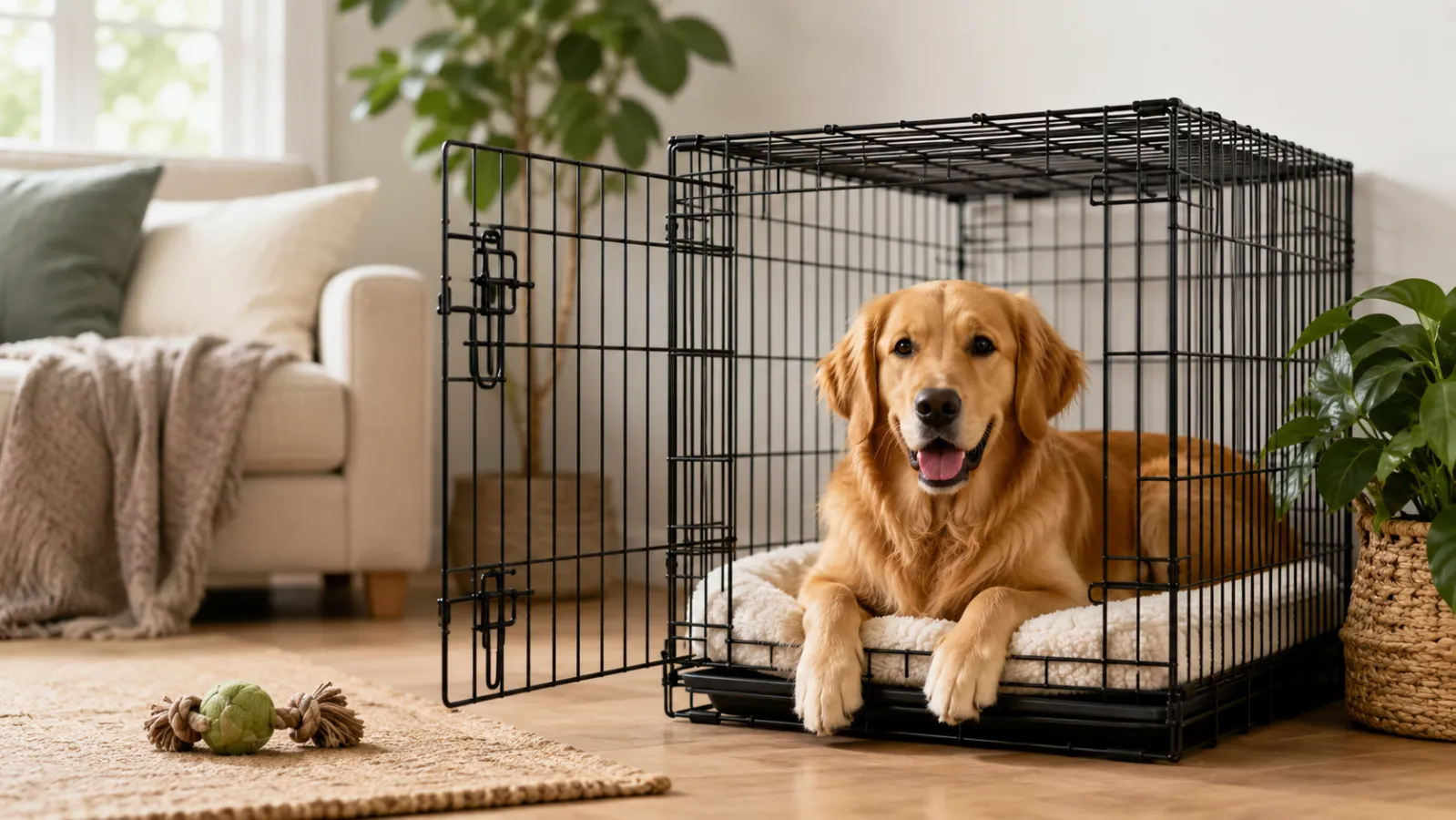

Some dogs gently nibble a toy for months. Others seem determined to destroy it before you've finished removing the packaging.
If your dog belongs to the second group, you already know that choosing a chew toy isn't as simple as picking the toughest-looking product on the shelf. The right choice depends on your dog's size, age, chewing habits and ability to break off and swallow pieces.
A good chew toy should give your dog something satisfying to do without putting their teeth or digestive system at unnecessary risk. Here's what to check before bringing home another toy.
Start With Your Dog's Chewing Style
Watch how your dog treats their current toys. Some dogs carry them around and occasionally nibble them. Others chew enthusiastically, while determined chewers may tear apart ordinary toys within minutes.
These differences matter more than a label claiming that a toy is indestructible.
Choose a product designed for your dog's size and chewing strength. If your dog regularly tears toys apart and swallows the pieces, avoid leaving them alone with those toys and ask your veterinarian about suitable alternatives.
Our guide to choosing durable chew toys for dogs provides more advice on matching a toy to your dog's chewing habits.
Get the Size Right
A toy that's too small can become a choking hazard or be swallowed whole.
Follow the manufacturer's size recommendations and choose a toy that your dog can comfortably hold without being able to swallow it. Check its shape, too. Detachable parts and pieces that break off easily can create additional risks.
Puppies grow quickly, so reassess their toys as they get bigger. A toy that fitted comfortably a few weeks ago might no longer be appropriate.
Don't Assume Harder Means Safer
When a dog destroys toys quickly, buying something harder can seem like the obvious solution. Unfortunately, very hard objects can fracture teeth.
Bones, antlers and other extremely hard chews deserve particular caution. A dog can damage a tooth while appearing perfectly happy to continue chewing.
Look for toys that offer an appropriate balance of durability and flexibility. Avoid objects that are excessively hard, and ask your veterinarian for advice if you're unsure which materials suit your dog.
The goal isn't to find a toy that survives forever. It's to find one your dog can enjoy without unnecessary risk.
Which Materials Should You Consider?
Different materials suit different dogs, and the material alone doesn't guarantee safety.
Rubber toys: Some appropriately designed rubber toys provide a satisfying chewing surface while offering more flexibility than very hard materials. Check them for tears and missing chunks.
Puppy-specific toys: Puppies benefit from toys designed for their developing mouths. If a product is intended to be chilled, follow the manufacturer's instructions.
Treat-dispensing toys: These combine chewing with food-based enrichment. Choose a design that suits your dog's chewing strength and inspect it for damage.
Rope toys: These can be useful for supervised play, including appropriate tug games. Replace them when strands begin to unravel, as swallowed fibres can cause serious problems.
Avoid toys that splinter, break into sharp fragments or have parts that detach easily. Natural materials aren't automatically safe, either.
Puppies Need Special Consideration
Anyone who has lived with a teething puppy knows that almost everything can suddenly become a chew toy.
Shoes, chair legs, cushions and anything left within reach may all attract attention. Chewing is normal puppy behaviour, and teething can make it especially noticeable.
Provide suitable toys and redirect your puppy when they start chewing something inappropriate. Choose products designed for puppies rather than automatically reaching for the hardest option available.
If your puppy grabs a shoe, offer an appropriate toy instead of turning the situation into a tug-of-war. Rewarding the right choice helps establish a useful habit.
For more guidance on choosing age-appropriate toys and other essentials, read How to Choose Safe Products for Puppies.
Inspect Toys Before They Fall Apart
A toy can be safe when you buy it and become hazardous after repeated chewing.
Check regularly for cracks, sharp edges, missing chunks, loose components, exposed stuffing and frayed rope. Replace damaged toys rather than waiting for them to fall apart completely.
If your dog has swallowed a piece of a toy, contact your veterinarian promptly for advice. Seek urgent veterinary attention if your dog is choking, struggling to breathe, repeatedly vomiting or showing signs of severe distress. Don't induce vomiting unless a veterinarian specifically instructs you to do so.
Treat-Dispensing Toys Can Keep Dogs Occupied
Some dogs enjoy chewing for its own sake. Others become much more interested when there's food involved.
A suitable treat-dispensing toy encourages your dog to investigate and work for a reward. It can provide mental stimulation when outdoor activities are limited or when you need a quiet activity at home.
Choose a design your dog can't easily destroy, and supervise them when introducing it. If pieces start breaking away, remove the toy.
Remember that treats still contribute to your dog's daily food intake. Adjust portions accordingly and use foods that suit your dog's nutritional needs.
If you're looking for other ways to keep your dog occupied, our guide to the best dog toys for exercise, play and mental stimulation explores different options for active play and enrichment.
Can Chewing Clean Your Dog's Teeth?
Chewing creates some contact with the teeth, and certain products are specifically designed to support dental health. However, an ordinary chew toy isn't a replacement for proper dental care.
Regular tooth brushing, veterinary dental examinations and suitable dental products all help maintain oral health. If you're choosing a dental chew, select one appropriate for your dog's size and health.
Be especially cautious with very hard chews marketed for dental benefits. A product intended to support oral health isn't a good choice if it risks breaking a tooth.
If your dog has painful chewing, bleeding gums, broken teeth or difficulty eating, consult your veterinarian rather than trying a different toy.
What About Bones and Antlers?
Bones and antlers may seem like natural choices, but they can carry significant risks.
Very hard bones and antlers can fracture teeth. Pieces that break off may cause choking, digestive injury or intestinal blockage. Cooked bones can also splinter.
Don't assume a natural chew is automatically safer than a manufactured toy. Consider the potential hazards and ask your veterinarian about appropriate alternatives for your individual dog.
Should You Let Your Dog Chew Unsupervised?
When introducing a new toy, watch your dog use it. Notice whether they chew calmly, tear off pieces, attempt to swallow chunks or damage the material quickly.
Supervision is particularly important for puppies, powerful chewers and dogs that tend to swallow non-food objects.
Even if a toy has been safe before, inspect it regularly. Wear and tear can change the risks over time.
If your dog has a history of swallowing objects, ask your veterinarian which toys and chews are appropriate. Some dogs need closer supervision and a different approach to enrichment.
You Don't Need a Basket Full of Toys
A huge collection isn't necessarily better than a small selection of suitable options.
Many dogs do well with a few toys that serve different purposes: a safe chew, a play toy and a suitable puzzle or treat-dispensing toy.
Rotate toys that remain in good condition to keep familiar items interesting. Before bringing one back, check that it hasn't developed cracks, loose pieces or other damage.
The aim isn't to keep buying new products. It's to give your dog appropriate ways to chew, play and stay occupied.
A Quick Safety Check
Before handing your dog a chew toy, ask yourself:
- Is it the right size for my dog?
- Is it suitable for their age and chewing strength?
- Is it excessively hard?
- Could pieces break off and be swallowed?
- Is it still intact and in good condition?
If you're unsure about a product, check the manufacturer's guidance or ask your veterinarian.
Choose for Your Dog, Not the Label
Dogs chew differently, so the safest choice isn't necessarily the most expensive toy or the one advertised as indestructible.
Watch how your dog uses a toy, choose products suited to their size and chewing habits, and replace damaged items before they become hazardous.
Most importantly, remember that a chew toy should be enjoyable without putting your dog's teeth or digestive health at unnecessary risk.
If your dog has dental disease, digestive problems or a history of swallowing objects, seek veterinary advice before introducing a new chew.
For more practical pet care advice, visit YourPetsWorld.org.
References
American Kennel Club — Expert Advice
How we create our content: Our articles are developed using AI-assisted research and reviewed against reputable professional and authoritative sources before publication.