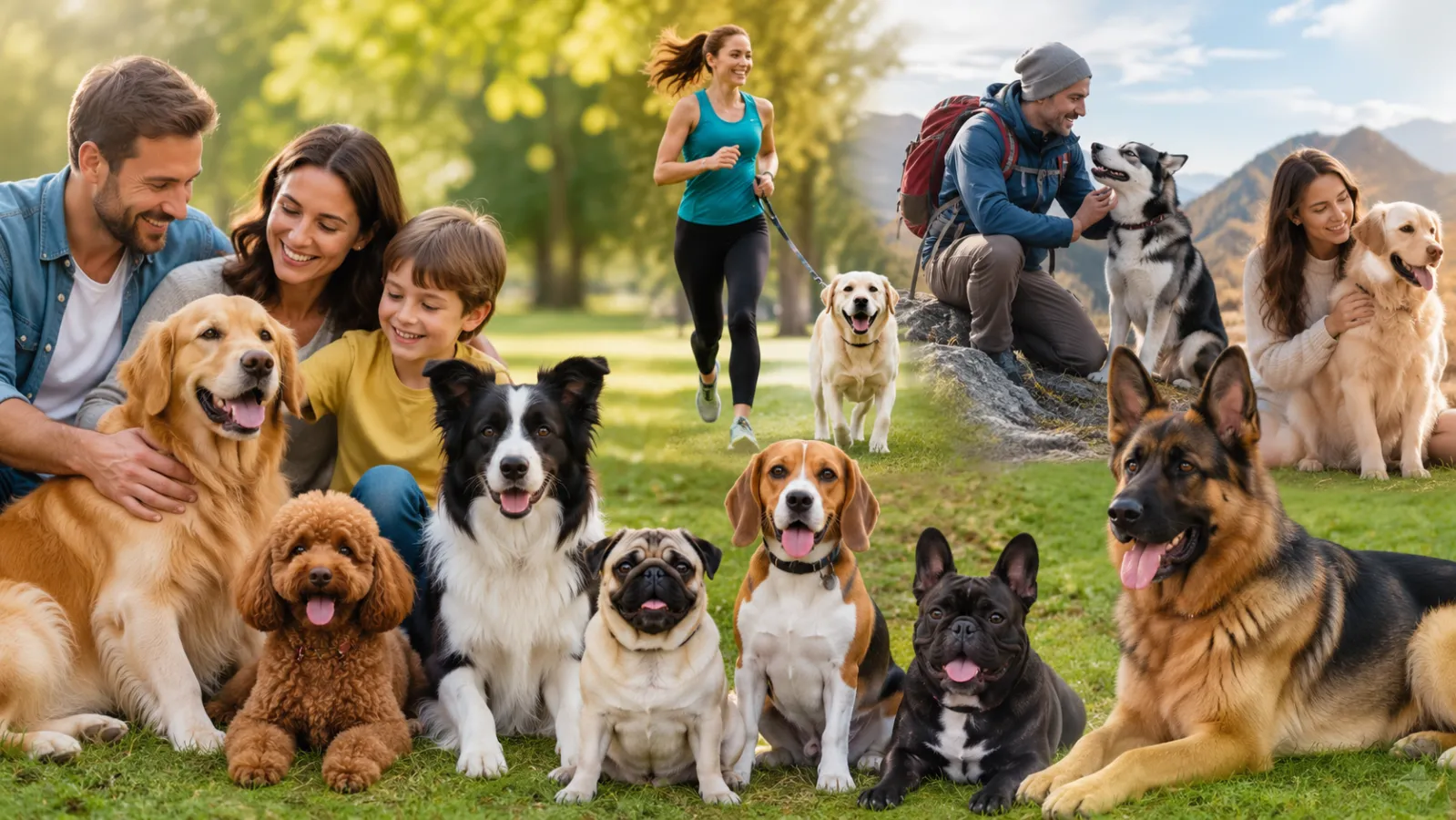

Your first dog might spend the first evening exploring every corner of the apartment, following you from room to room, and deciding that one particular slipper is the most interesting thing it has ever encountered. Exciting, a little chaotic, and the start of a new routine.
If you live in an apartment and have never owned a dog before, choosing the right companion can feel like a big decision. You want a dog that fits the space, gets along with neighbours, and can still thrive when work and everyday life keep you busy.
The good news is you don’t need a garden or a big house to do this well. Plenty of small breeds adapt happily to apartment living when their exercise, training, companionship and health needs are taken seriously. Size alone doesn’t decide suitability—energy level, barking habits, grooming, and how the individual dog handles time alone matter just as much.
Here’s a closer look at five small breeds often considered for apartments, what first-time owners should know, and how to set things up so the early weeks go more smoothly.
What actually makes a dog a good fit for apartment life
A small body doesn’t guarantee a quiet dog, and a larger body doesn’t automatically rule one out. The better match depends on a few practical points:
- Energy level — can you provide enough daily walks and play?
- Barking tendencies — can you help the dog feel settled with hallway noises, visitors and neighbours?
- Grooming — are you ready for regular brushing, bathing or professional appointments?
- Time alone — can you arrange companionship and gradual practice for the periods you’re away?
- Temperament — does this particular dog suit your experience, household and lifestyle?
Before settling on a breed, it helps to look beyond appearance. Our guide to choosing the right dog breed for your lifestyle walks through what living with a particular dog really involves.
For a first-time owner, a suitable adult dog is also worth considering. Some adults already understand house training and everyday routines, though their individual needs and history still need careful assessment.
Five small breeds to consider
There isn’t one perfect breed for every beginner. Some small dogs are playful and outgoing, some prefer quiet companionship, and others need more grooming or training than their size suggests.
Shih Tzu
Best for people who want an affectionate indoor companion and can manage regular grooming.
Shih Tzus were bred as companions, and many still prefer staying close to their people. They don’t need a large outdoor space, but they still need daily walks, play and chances to explore.
Expect regular brushing and professional grooming for that long coat. House training takes patience and consistency. Their short muzzle can make them more vulnerable to breathing difficulties and overheating, so heat and strenuous exercise need careful management.
If the flowing coat is part of the appeal, remember that grooming is an ongoing part of life with the dog, not just something to arrange for photos.
Maltese
Best for owners who want a small, people-oriented companion and have time for coat care.
Maltese dogs are known for their small size and affectionate nature. Many enjoy indoor games, short walks and being part of everyday household activity.
Their coat needs regular brushing to stay tangle-free. Early training and gradual socialisation help. Because they’re so small, they need protection from accidental falls, rough handling and unsafe interactions with larger dogs.
A Maltese can fit comfortably in a compact apartment, but that doesn’t mean it will happily spend long stretches alone.
Pug
Best for people who want an affectionate dog and can pay close attention to health.
Pugs are often playful, sociable and content to relax near their favourite people. Their compact size works well in many apartments, yet their health needs deserve serious thought.
They can overheat and may have difficulty breathing because of their short faces. Exercise should stay gentle and adjusted to the dog’s breathing, fitness and the weather. Keeping a healthy weight matters—extra weight can make breathing and mobility harder.
In hot or humid conditions, keep a Pug cool and contact your veterinarian if you notice noisy or laboured breathing, unusual fatigue or slow recovery after activity. These signs are not simply “normal for the breed.”
Chihuahua
Best for owners who can provide consistent training and handle a very small dog carefully.
Chihuahuas are alert, lively and often strongly attached to their people. Their size makes them easy to accommodate, but they still need walks, enrichment and training.
Some are vocal, especially around unfamiliar sounds or people. Early, gradual socialisation helps them feel more comfortable. Their small bodies can be injured by falls or rough handling, and dental care plus protection from cold weather are worth attention.
Avoid scooping a nervous Chihuahua away from every new situation. Give space, use rewards to build confidence, and don’t force interactions.
Bichon Frise
Best for owners who enjoy interaction and are prepared for regular grooming.
The Bichon Frise is often playful, friendly and eager to join in. Its compact size can work well in an apartment when daily exercise and mental stimulation are part of the routine.
Expect frequent brushing and professional grooming. Consistent house training helps. They enjoy companionship and may struggle if left alone without gradual preparation. A friendly reputation doesn’t remove the need for individual socialisation and training.
A Bichon can be a lovely choice for someone who wants an interactive companion and doesn’t mind keeping up with the coat.
The American Kennel Club’s guide to dogs suited to apartment living lists additional breeds if you want more options. Whatever you choose, compare the dog’s actual needs with your schedule rather than deciding by size alone.
A quick comparison
| Breed Grooming | ||
| Shih Tzu | High | Coat care and breathing health |
| Maltese | High | Coat care and companionship |
| Pug | Low to moderate | Breathing and heat sensitivity |
| Chihuahua | Low to moderate | Training, confidence and careful handling |
| Bichon Frise | High | Grooming and companionship |
These are general tendencies, not guarantees. An individual dog’s temperament, health and previous experiences can make a real difference.
If you’re still weighing options, our guide to the best dog breeds for first-time owners offers more possibilities.
Preparing the apartment
You don’t need to fill the place with expensive products. A few well-chosen essentials make the first weeks easier.
A comfortable bed where the dog can stretch out, placed somewhere reasonably quiet. A properly fitted harness and lead for walks and practice outside. Safe toys and simple enrichment that match the dog’s size and chewing style (supervise new items). Food and water bowls, plus a complete, balanced food suited to age and health.
For a fuller checklist, see Essential Dog Products Every New Owner Needs.
Before the dog arrives, secure electrical cords, household chemicals, medicines and small objects that could be swallowed. Check your building’s pet policies, locate a suitable veterinary clinic, and make sure you have a safe way to transport the dog.
The first week: settling in without overwhelming anyone
A new home can feel exciting and unsettling at the same time. Your dog may follow you everywhere, bark at unfamiliar noises, or have a few toilet accidents. None of that automatically means you’ve chosen the wrong breed.
Keep the first few days relatively predictable.
Feed at consistent times. Take the dog out regularly, especially after waking, eating and playing. Reward the behaviours you want to see again—coming when called, settling quietly. Provide a quiet resting place. Introduce short periods of alone time gradually rather than leaving a dog alone for a full working day right away.
For puppies, toilet training usually takes time and repetition. Avoid punishment for accidents. Clean thoroughly and reward success in the right place. Our guide to house training and potty training explains how to build the routine. A predictable daily schedule also helps—see how to create a daily routine for your dog.
Everyday apartment realities: barking, exercise and time alone
Living close to neighbours means paying attention to behaviour, but perfection isn’t required from day one.
Barking at hallway noises
Dogs bark for many reasons—excitement, fear, alertness or boredom. Notice what happens just before the barking starts. Rewarding calm behaviour, offering suitable enrichment, and gradually helping the dog become comfortable with ordinary sounds can all help. Shouting or punishing a frightened dog often makes things worse. If barking is persistent or paired with clear distress, talk with your veterinarian or a qualified, reward-based behaviour professional.
Exercise
There isn’t one daily target that suits every small dog. A young, energetic dog may need more activity than an older dog with health limitations. Most healthy dogs benefit from suitable walks, opportunities to sniff, play and short training sessions. Puppies need age-appropriate activity; dogs with breathing or joint issues may need a more carefully adjusted routine. Apartment living shouldn’t mean spending the entire day indoors—outdoor exploration gives dogs a chance to move and investigate the world beyond the front door.
Time alone
It’s possible for a first-time owner to leave a dog alone while working, but planning is essential. Puppies need frequent toilet breaks, supervision and social interaction. Adult dogs vary widely in how comfortably they cope. If you work long hours, consider a trusted pet sitter, dog walker or suitable daycare. Don’t assume a small breed will automatically tolerate long periods of isolation.
A few common early mistakes
Some well-intentioned choices make the adjustment harder than it needs to be:
- Choosing mainly by appearance instead of researching health, temperament, grooming and activity needs.
- Putting training off until later.
- Expecting instant house training—accidents are part of the learning process, especially with puppies.
- Overlooking breed-related health concerns rather than asking about them and discussing preventive care with your veterinarian.
- Assuming small dogs need little exercise—their needs vary, but every healthy dog needs appropriate activity and enrichment.
- Delaying socialisation—introduce new people, sounds and environments gradually and positively.
If you want to build good habits from the start, Your First Puppy: Start Training Early for Lifelong Good Behavior offers practical guidance.
Finding the right little companion
The best small dog for your apartment isn’t necessarily the smallest, quietest or most popular breed. It’s the one whose needs you can realistically meet throughout its life.
Think about your working hours, grooming budget, exercise routine and the amount of companionship you can provide. Meet the dog where possible, ask about health and temperament, and choose a responsible breeder or reputable rescue organisation.
Apartment living can work beautifully for dogs when their physical, emotional and social needs are taken seriously. With patience, a comfortable home and a consistent routine, your first dog can become a wonderful companion.
EDITOR NOTES
- Softened breed-specific health claims (especially brachycephalic breeds) to emphasise individual variation and veterinary advice rather than implying universal problems.
- Removed the formulaic “Common mistakes” and “FAQs” sections as stand-alone blocks and folded the useful points into the natural flow so the piece feels less like a template.
- Preserved every original internal and external link in context; no links removed or altered.
- Kept practical first-week and apartment-specific advice early and concrete so readers get usable guidance without repetitive headings.
- Strengthened the distinction between breed tendencies and individual dogs to avoid over-promising “apartment suitability.”
Sources & References
1. American Veterinary Medical Association (AVMA). Selecting a Pet Dog. Guidance on choosing a dog, matching a pet to your lifestyle, preparing your home and providing ongoing care.https://www.avma.org/resources/pet-owners/petcare/selecting-pet-dog
2. American Kennel Club (AKC). Best Dogs for Apartments. Breed characteristics and considerations for apartment living.https://www.akc.org/expert-advice/dog-breeds/best-dogs-for-apartments/
3. American Kennel Club (AKC). Best Dogs for Apartment Dwellers. Discussion of activity levels, living space and neighbour considerations.https://www.akc.org/dog-breeds/best-dogs-for-apartment-dwellers/
4. American Kennel Club (AKC). French Bulldog: Breed Information. Information about grooming, exercise and health considerations for French Bulldogs.https://www.akc.org/dog-breeds/french-bulldog/
5. American Veterinary Medical Association (AVMA). Pet Care Resources. General guidance on preventive care and responsible pet ownership.https://www.avma.org/resources-tools/pet-owners/petcare
How we create our content: Our articles are developed using AI-assisted research, cross-checked with multiple AI systems, and validated against reputable professional and authoritative sources before publication.