Introduction
Bringing home your first puppy is exciting, but it also comes with responsibility. Early training is one of the most important steps you can take to ensure your puppy grows into a well-behaved and happy dog. Starting training immediately helps your puppy understand expectations and reduces future behavior issues.
This guide explains how to train your first puppy using simple commands, positive reinforcement, and short, effective sessions. Whether you are a parent, educator, or first-time pet owner, these practical steps will help you build a strong bond with your puppy while teaching essential life skills.
Section 1: Core Explanation
What Does “Start Training Immediately” Mean?
Starting training immediately means teaching your puppy basic behaviors from the first day at home. Puppies begin learning as soon as they enter a new environment. Every interaction shapes their behavior.
Training is not just about commands. It includes:
- Building trust
- Setting boundaries
- Encouraging good habits
- Preventing unwanted behaviors
Why Early Training Matters
Early training is important because puppies learn quickly during their first months. This is often called a critical learning period.
Key reasons to start early:
- Puppies absorb information quickly
- Bad habits are easier to prevent than fix
- Early structure reduces anxiety
- Builds a strong relationship between owner and puppy
Without early training, puppies may develop behaviors like biting, jumping, or ignoring commands.
Section 2: Detailed Breakdown
Step-by-Step Puppy Training Guide
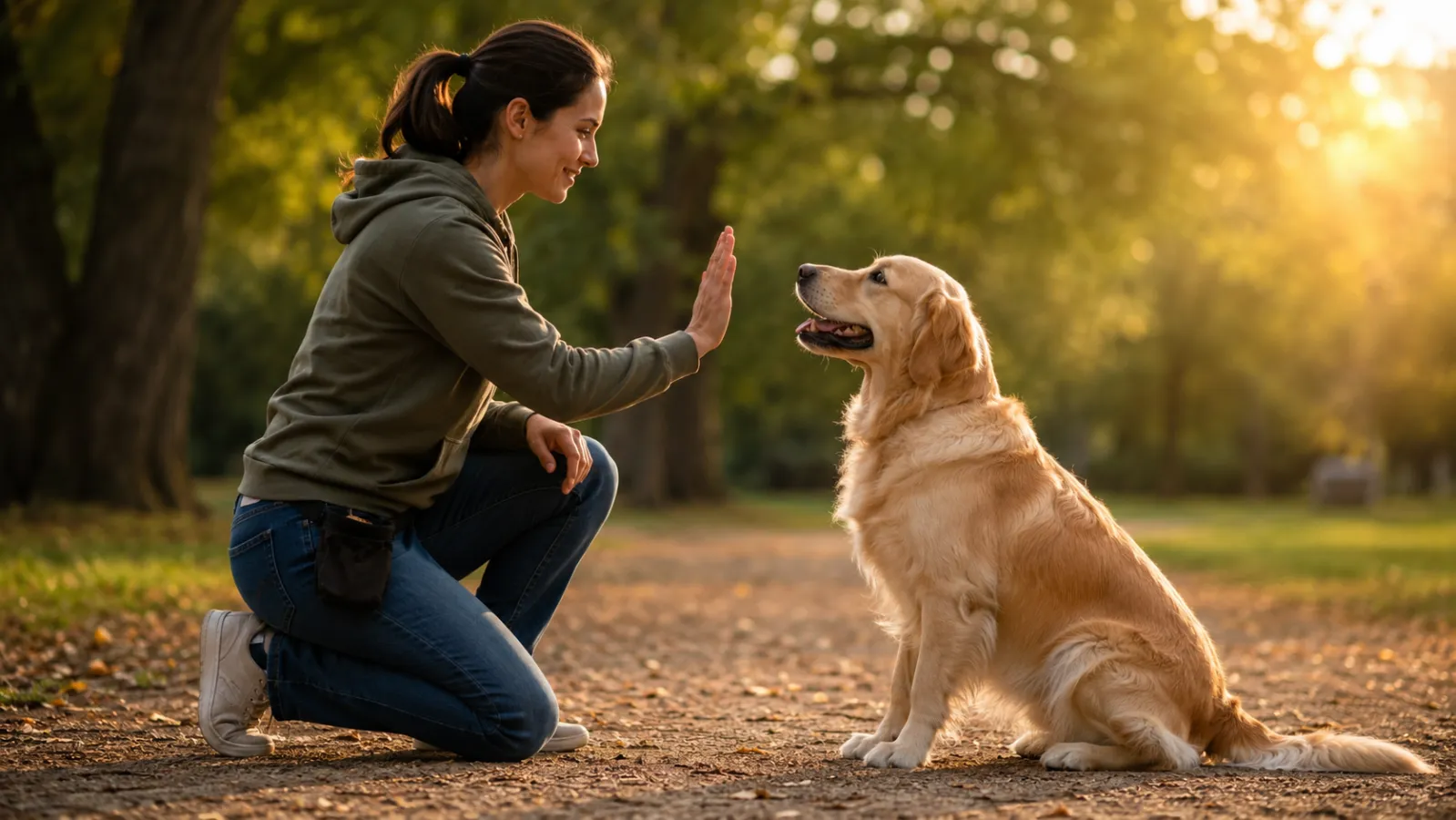
1. Start with Simple Commands
Focus on three essential commands first:
- Sit
- Hold a treat above your puppy’s head
- Move it slowly back
- When the puppy sits, say “sit” and reward
- Stay
- Ask your puppy to sit
- Hold your hand up and say “stay”
- Take one step back, then reward if they stay
- Come
- Call your puppy’s name followed by “come”
- Use a happy tone
- Reward immediately when they come to you
2. Use Positive Reinforcement
Positive reinforcement means rewarding good behavior.
Use:
- Small treats
- Verbal praise (“good job”)
- Gentle petting
Avoid punishment. It can create fear and confusion.
3. Keep Training Sessions Short
Puppies have short attention spans.
Best practice:
- 5–10 minutes per session
- 2–3 sessions per day
- End on a positive note
4. Be Consistent
Consistency helps puppies learn faster.
- Use the same words for commands
- Train at the same times each day
- Ensure all family members follow the same rules
5. Focus on Timing
Reward your puppy immediately after the correct behavior. This helps them connect the action with the reward.
6. Socialize Your Puppy
Expose your puppy to:
- Different people
- Other animals
- New environments
- Sounds and objects
This builds confidence and reduces fear later in life.
7. Manage the Environment
Set your puppy up for success:
- Remove items they might chew
- Use baby gates if needed
- Provide safe toys
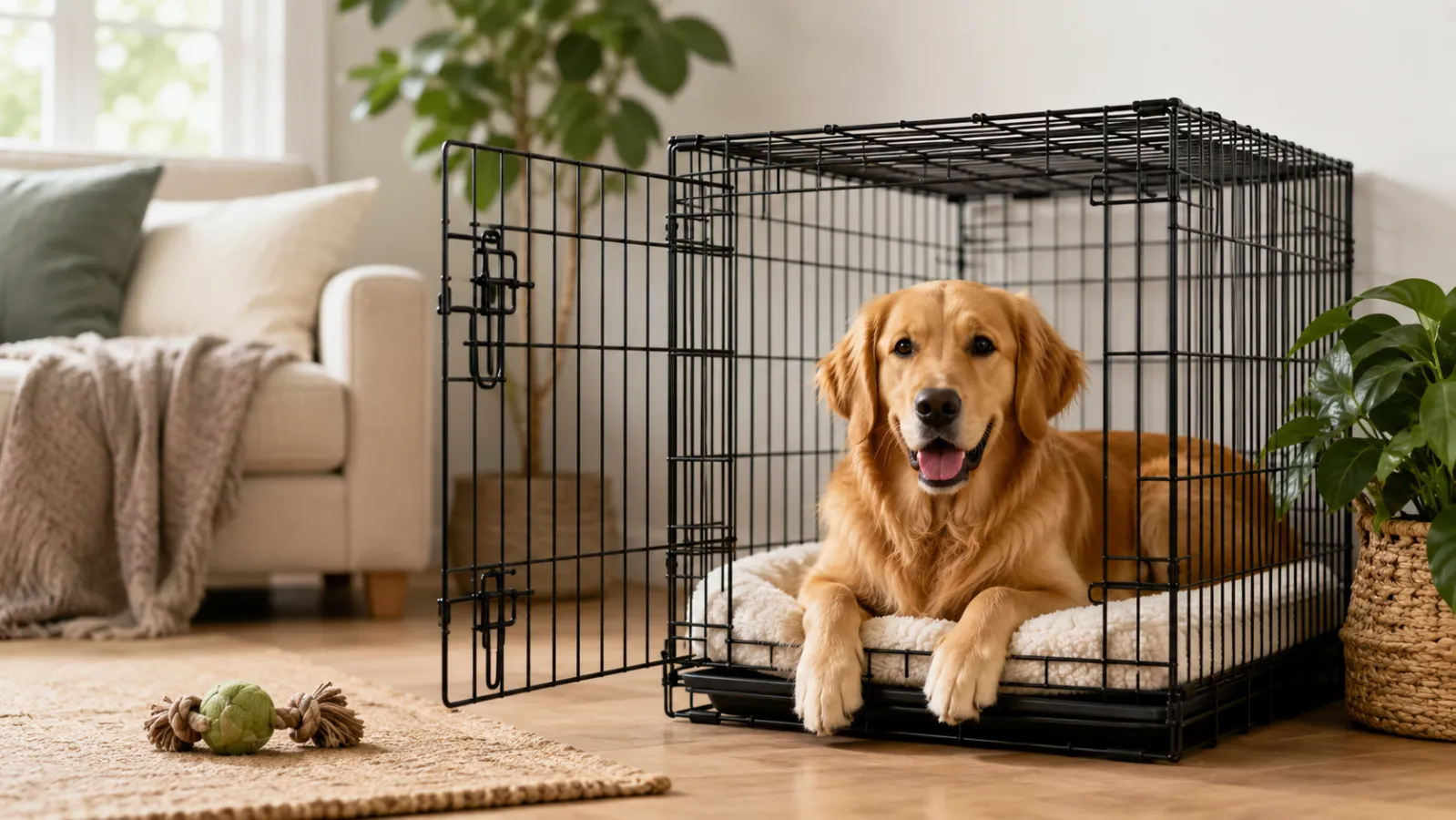
8. Use Crate Training
Crate training helps with:
- House training
- Safety
- Creating a calm space
Keep the crate comfortable and never use it as punishment.
9. Teach Bite Control
Puppies explore with their mouths.
If your puppy bites:
- Say “no” calmly
- Stop play immediately
- Offer a toy instead
10. Reinforce Daily
Training should happen throughout the day, not just during sessions.
Section 3: Examples / Use Cases
Example 1: Teaching Sit During Mealtime
Before giving food, ask your puppy to sit. Once they sit calmly, reward with their meal. This teaches patience and control.
Example 2: Practicing Come in the Yard
Call your puppy from a short distance. Reward with a treat and praise when they come. Gradually increase the distance.
Example 3: Using Stay During Play
Ask your puppy to stay before throwing a toy. Release them after a few seconds. This improves impulse control.
Section 4: Benefits / Outcomes
Training your puppy early leads to:
- Better behavior at home
- Stronger bond between puppy and owner
- Easier social interactions
- Reduced stress for both puppy and owner
- Improved safety (especially with recall commands like “come”)
- Faster learning of advanced skills later
A well-trained puppy becomes a confident and well-adjusted dog.
Section 5: Common Mistakes
Avoid these common training errors:
- Starting too late
- Waiting can lead to bad habits.
- Using punishment
- This creates fear instead of learning.
- Long training sessions
- Puppies lose focus quickly.
- Inconsistent commands
- Using different words confuses your puppy.
- Lack of patience
- Training takes time and repetition.
- Ignoring small behaviors
- Small issues can become big problems.
Section 6: Tools / Tips / Frameworks
Simple Training Framework
Use this easy method:
Command → Action → Reward
Example:
Say “sit” → Puppy sits → Give treat
Helpful Tools
- Treat pouch for quick rewards
- Clicker for marking correct behavior
- Soft training treats
- Crate or playpen
- Chew toys
Practical Tips
- Train before meals when your puppy is motivated
- Use a calm and clear voice
- Practice in different locations
- Keep distractions low at first
- Celebrate small progress
Using AI for Training Support
AI tools can help by:
- Creating training schedules
- Generating behavior tips
- Tracking progress
Key Takeaways
- Start training your puppy from day one
- Focus on simple commands: sit, stay, come
- Use positive reinforcement (treats and praise)
- Keep sessions short (5–10 minutes)
- Be consistent with commands and routines
- Socialize your puppy early
- Avoid punishment and long sessions
- Practice daily in real-life situations
FAQ Section
1. When should I start training my puppy?
You should start training as soon as your puppy comes home, usually around 8 weeks old.
2. How long should training sessions be?
Keep sessions short, around 5–10 minutes, to match your puppy’s attention span.
3. What is the best training method?
Positive reinforcement using treats and praise is the most effective and safe method.
4. How often should I train my puppy?
Train 2–3 times a day and reinforce behaviors throughout daily activities.
5. What if my puppy does not listen?
Be patient and consistent. Reduce distractions and reward small progress.
6. Can children help train a puppy?
Yes, with supervision. Teach children to use simple commands and gentle behavior.
Conclusion
Training your first puppy does not need to be complicated. By starting immediately, focusing on simple commands, and using positive reinforcement, you set the foundation for a well-behaved and happy dog. Short, consistent sessions make learning easier for your puppy and more enjoyable for you.