Introduction
Choosing the best freshwater fish is one of the most important decisions when starting an aquarium. Beginners often look for fish that are attractive, easy to maintain, and able to thrive in a variety of water conditions. The right fish can make aquarium keeping enjoyable and reduce common challenges such as disease, stress, and water quality issues.
Freshwater aquariums are popular because they are generally easier to manage than saltwater tanks. With proper planning and fish selection, even first-time aquarium owners can create a healthy and beautiful aquatic environment. This guide explores the best freshwater fish for beginners, their benefits, common mistakes to avoid, and practical tips for success.
What Are the Best Freshwater Fish for Beginners?
The best freshwater fish are species that can tolerate minor changes in water conditions, require simple care, and coexist peacefully with other fish. These fish are suitable for new aquarium owners because they are resilient and less demanding than many advanced species.
Beginner-friendly freshwater fish help new hobbyists learn essential aquarium skills such as feeding, water maintenance, and fish health monitoring. Starting with hardy fish increases the chances of success and creates a positive aquarium experience.
Why Beginner-Friendly Fish Matter
Selecting suitable fish offers several advantages:
- Easier care and maintenance
- Better survival rates
- Lower stress levels for fish
- Reduced risk of common diseases
- Greater confidence for new aquarium owners
Best Freshwater Fish for Beginners: Detailed Breakdown
1. Guppy Fish
Guppies are among the most popular beginner aquarium fish.
Key Features:
- Bright colors and patterns
- Easy to care for
- Peaceful temperament
- Adaptable to different water conditions
Ideal Tank Size: 10 gallons or larger
2. Neon Tetra
Neon tetras are small schooling fish known for their vibrant blue and red stripes.
Key Features:
- Peaceful community fish
- Attractive appearance
- Easy feeding requirements
- Active swimmers
Ideal Tank Size: 10–20 gallons
3. Platy Fish
Platies are hardy fish that come in various colors.
Key Features:
- Friendly nature
- Suitable for community tanks
- Easy breeding
- Low maintenance
Ideal Tank Size: 10 gallons or larger
4. Zebra Danio
Zebra danios are energetic and highly adaptable fish.
Key Features:
- Excellent for beginners
- Tolerate a wide range of conditions
- Active and entertaining
- Disease resistant
Ideal Tank Size: 10 gallons or larger
5. Molly Fish
Mollies are peaceful fish that thrive in community aquariums.
Key Features:
- Available in many colors
- Hardy and adaptable
- Easy to feed
- Social behavior
Ideal Tank Size: 20 gallons or larger
6. Betta Fish
Betta fish are popular because of their stunning appearance.
Key Features:
- Beautiful flowing fins
- Can live alone
- Easy feeding routine
- Suitable for smaller tanks when properly maintained
Ideal Tank Size: 5 gallons or larger
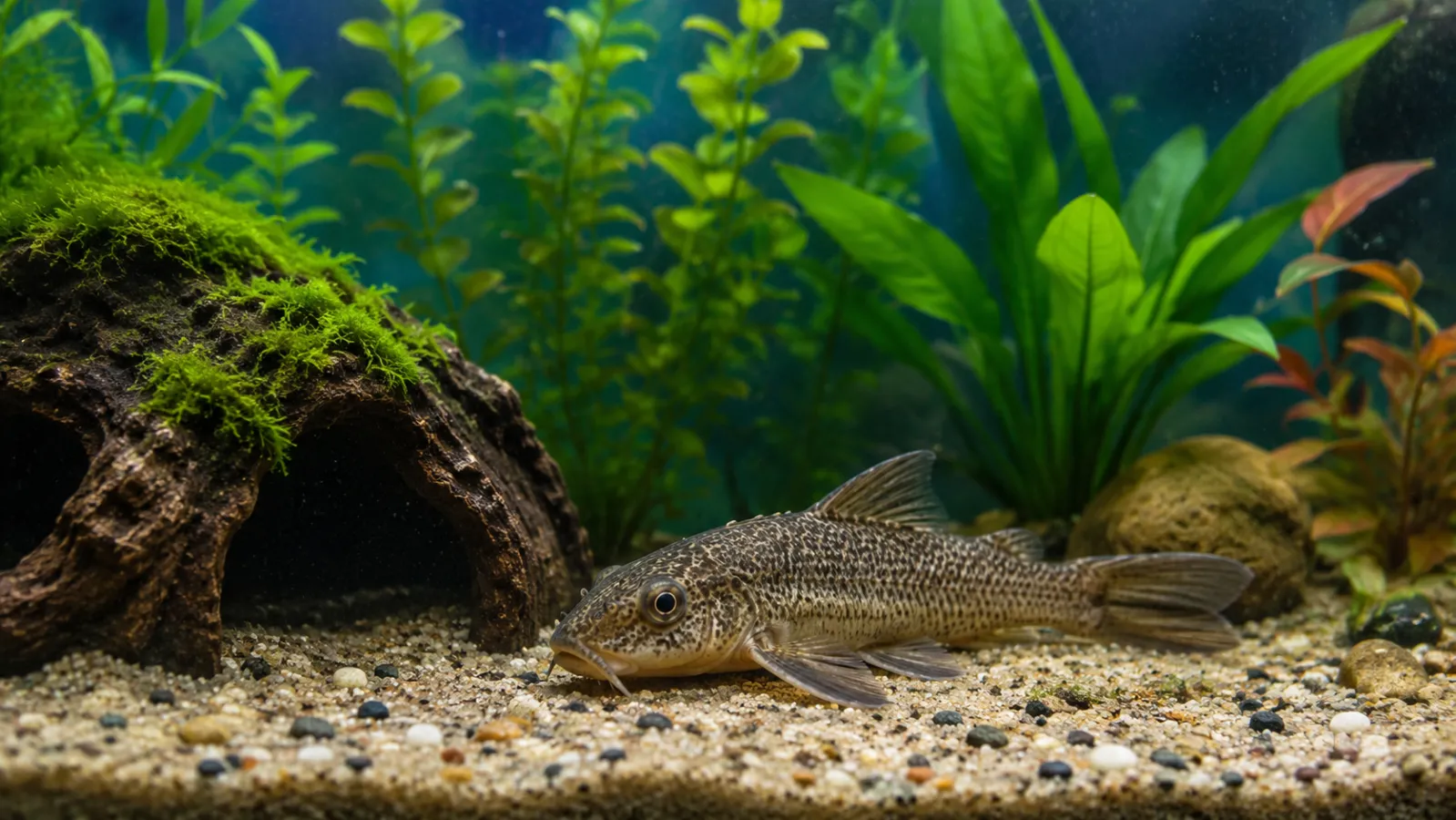
7. Corydoras Catfish
Corydoras are bottom-dwelling fish that help keep tanks clean.
Key Features:
- Peaceful temperament
- Community tank friendly
- Active scavengers
- Easy care requirements
Ideal Tank Size: 20 gallons or larger
Freshwater Fish Comparison Table
| Fish Species Difficulty Level Temperament Tank Size Lifespan | ||||
| Guppy | Easy | Peaceful | 10+ gallons | 2–3 years |
| Neon Tetra | Easy | Peaceful | 10+ gallons | 5–8 years |
| Platy | Easy | Peaceful | 10+ gallons | 3–5 years |
| Zebra Danio | Very Easy | Active | 10+ gallons | 3–5 years |
| Molly | Easy | Peaceful | 20+ gallons | 3–5 years |
| Betta | Easy | Semi-aggressive | 5+ gallons | 2–5 years |
| Corydoras | Easy | Peaceful | 20+ gallons | 5–10 years |
Real-World Examples and Use Cases
Example 1: Family Aquarium
A family setting up their first aquarium may choose guppies and platies because they are colorful, peaceful, and easy for children to observe and learn from.
Example 2: Classroom Aquarium
Teachers often use zebra danios and corydoras catfish in classroom aquariums because they are hardy and can tolerate beginner mistakes while supporting educational activities.
Example 3: Small Home Aquarium
A single betta fish in a properly maintained tank can provide an attractive and low-maintenance aquarium option for apartments and small spaces.
What Food Should You Give Freshwater Fish?
Providing the right food is essential for healthy growth, bright colors, and a strong immune system. Different freshwater fish have different dietary needs, but most beginner-friendly species thrive on a combination of high-quality commercial fish food and occasional treats.
Fish Food Guide by Species
| Fish SpeciesRecommended FoodFeeding Frequency | ||
| Guppy | Tropical flakes, micro pellets, brine shrimp | 1–2 times daily |
| Neon Tetra | Small flakes, micro pellets, frozen daphnia | 1–2 times daily |
| Platy | Flakes, vegetable-based foods, algae wafers | 1–2 times daily |
| Zebra Danio | Flakes, pellets, bloodworms, brine shrimp | 1–2 times daily |
| Molly | Algae-based foods, flakes, vegetables | 1–2 times daily |
| Betta | Betta pellets, bloodworms, brine shrimp | 1–2 times daily |
| Corydoras Catfish | Sinking pellets, algae wafers, shrimp pellets | Once daily |
Best Foods for Beginner Freshwater Fish
- High-quality tropical fish flakes
- Micro pellets
- Algae wafers
- Sinking catfish pellets
- Freeze-dried bloodworms
- Brine shrimp
- Daphnia
- Blanched vegetables such as peas, spinach, and zucchini
Feeding Tips for Beginners
- Feed only what fish can eat within 2–3 minutes.
- Remove uneaten food to maintain water quality.
- Offer a varied diet for better nutrition.
- Avoid overfeeding, as it is one of the most common causes of aquarium problems.
- Consider one fasting day per week for adult fish to support digestion.
Foods to Avoid
- Bread
- Biscuits
- Human snacks
- Oily foods
- Raw meat
- Excessive treats
A balanced diet combined with clean water helps freshwater fish stay active, colorful, and healthy for many years.
Benefits of Choosing Beginner-Friendly Freshwater Fish
Starting with beginner fish offers many advantages.
Key Benefits
- Simple daily care routines
- Lower maintenance costs
- Better adaptability to water changes
- Reduced fish loss
- Attractive aquarium displays
- Improved learning experience
- Suitable for families, teachers, and students
- Peaceful community tank options
These benefits help new aquarium owners build confidence and enjoy long-term success.
Common Mistakes Beginners Should Avoid
Many aquarium problems occur because of avoidable mistakes.
1. Overstocking the Tank
Adding too many fish can cause poor water quality and stress.
2. Skipping Tank Cycling
New tanks should be cycled before adding fish to establish beneficial bacteria.
3. Overfeeding Fish
Excess food pollutes the water and can lead to disease.
4. Mixing Incompatible Species
Some fish have different care requirements or aggressive behavior.
5. Ignoring Water Quality
Regular testing helps maintain healthy conditions.
6. Choosing Fish Based Only on Appearance
Beautiful fish are not always beginner-friendly. Research before purchasing.
Useful Tools, Tips, and Frameworks
Essential Aquarium Tools
- Aquarium filter
- Water conditioner
- Fish net
- Aquarium heater (when required)
- Water testing kit
- Thermometer
- Gravel vacuum
Beginner Aquarium Success Framework
Step 1: Research Fish Species
Choose compatible beginner-friendly fish.
Step 2: Set Up the Aquarium
Install filtration, substrate, and decorations.
Step 3: Cycle the Tank
Allow beneficial bacteria to establish.
Step 4: Add Fish Gradually
Avoid introducing too many fish at once.
Step 5: Monitor Water Conditions
Check temperature and water quality regularly.
Helpful AI Tools
- ChatGPT for fish care guidance
- AI aquarium planners for tank setup ideas
- Water parameter tracking apps
Key Takeaways
- The best freshwater fish for beginners are hardy, peaceful, and easy to maintain.
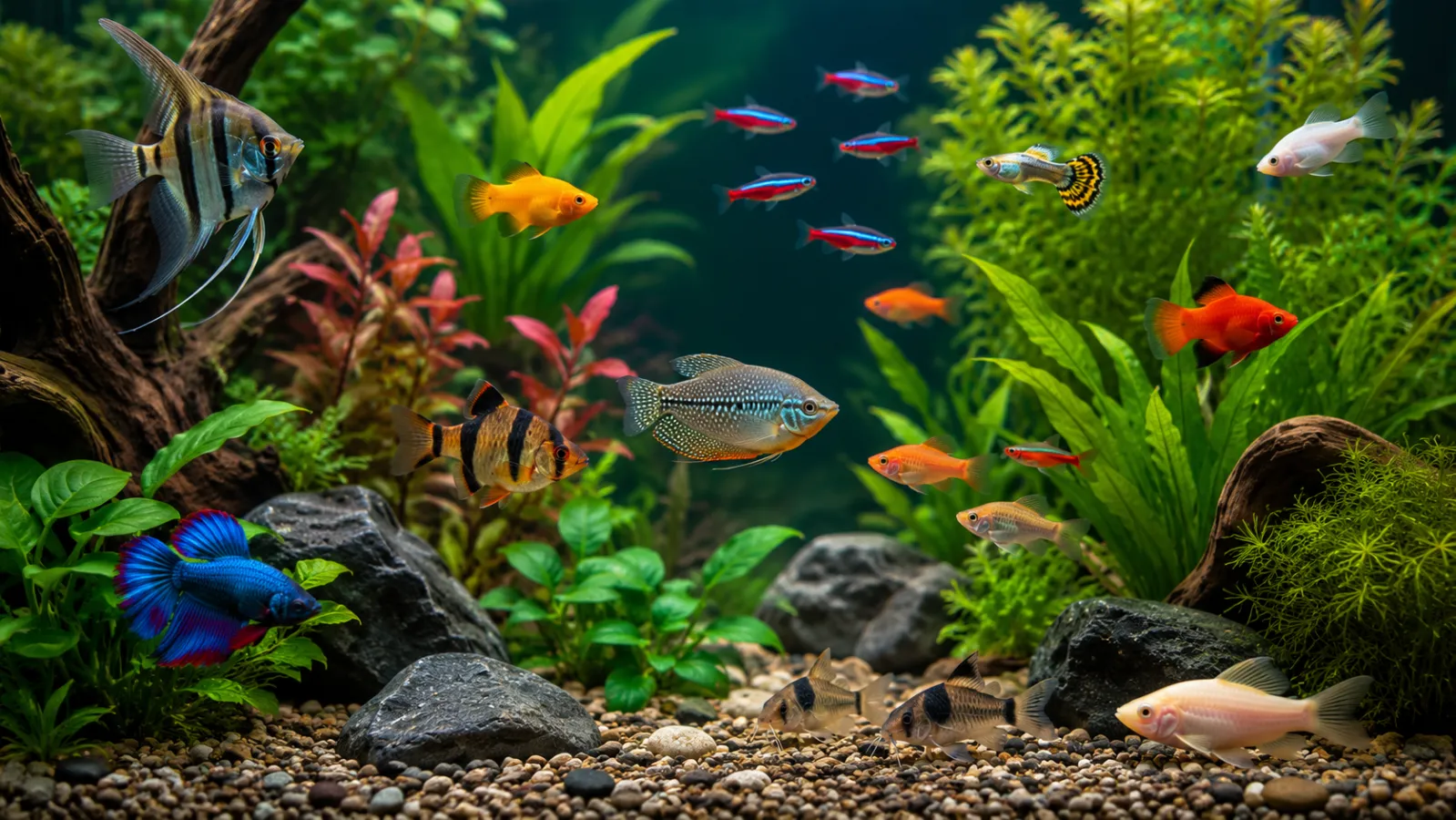
- Guppies, neon tetras, platies, zebra danios, mollies, bettas, and corydoras are excellent choices.
- Proper tank setup and water quality are essential for fish health.
- Avoid overfeeding and overcrowding.
- Beginner-friendly fish help new aquarium owners learn aquarium management successfully.
- A well-maintained freshwater aquarium can provide years of enjoyment and education.
Frequently Asked Questions
What is the easiest freshwater fish for beginners?
Guppies and zebra danios are often considered the easiest freshwater fish because they are hardy and adaptable.
How many fish should a beginner start with?
A small group of compatible fish is recommended. The exact number depends on tank size.
Are betta fish good for beginners?
Yes. Betta fish are relatively easy to care for and can thrive when provided with proper tank conditions.
What size aquarium is best for beginners?
A 10 to 20-gallon aquarium is often recommended because it is easier to maintain stable water conditions.
How often should freshwater fish be fed?
Most freshwater fish should be fed once or twice daily in small amounts.
Do beginner fish need a heater?
Some species, such as bettas and mollies, benefit from heated water. Requirements vary by species.
Conclusion
Choosing the best freshwater fish is the first step toward building a successful and enjoyable aquarium. Species such as guppies, neon tetras, platies, zebra danios, mollies, bettas, and corydoras offer excellent options for beginners because they are hardy, attractive, and easy to care for.
By selecting suitable fish, maintaining good water quality, and following basic aquarium care practices, beginners can create a thriving freshwater aquarium. Start with a few beginner-friendly species, learn proper maintenance techniques, and enjoy the rewarding experience of fish keeping.