Choosing freshwater fish for an aquarium can be exciting, especially when you see the wide variety of colors, shapes, and behaviors available. However, fish that look beautiful together in a store or online may not necessarily make good tankmates.
Different freshwater fish can have very different temperaments, adult sizes, water requirements, and swimming behaviors. Some species are peaceful and social, while others may become territorial or aggressive. Some prefer the upper areas of the aquarium, while others spend most of their time near the bottom.
Compatibility is therefore one of the most important parts of creating a healthy community aquarium.
Before adding any fish, consider four key factors: temperament, adult size, water parameters, and swimming zones. Looking at these factors together can help you avoid unnecessary stress, aggression, overcrowding, and unsuitable living conditions.
1. Start With Temperament
Temperament is one of the first things you should research before choosing aquarium fish.
Fish can generally be described as peaceful, semi-aggressive, territorial, or aggressive, although behavior can vary between species and individual fish.
A peaceful fish may become stressed when kept with aggressive tankmates. An aggressive fish may chase, nip, or injure smaller or slower species.
Before choosing fish, ask:
- Is the species peaceful?
- Does it become territorial?
- Does it chase other fish?
- Is it known for fin-nipping?
- Can it compete successfully for food?
- Does it become more aggressive during breeding?
A community aquarium usually works best when the fish have broadly compatible temperaments.
2. Consider Adult Size
One of the biggest mistakes beginners make is choosing fish based on their size at the time of purchase.
Many aquarium fish are sold as juveniles.
A small fish may eventually become several times larger than it was when you bought it. This can change the amount of space it needs and may also affect compatibility with smaller tankmates.
Before buying a fish, research:
- Maximum adult size
- Growth rate
- Recommended aquarium size
- Swimming requirements
- Territorial behavior
- Potential tankmates
Always plan for the adult fish rather than the juvenile fish you see in the store.
A fish that is peaceful when small may also become more territorial as it matures.
3. Check Water Parameters
Fish compatibility is not only about behavior.
Fish that have completely different environmental requirements may not be suitable tankmates even if they are peaceful.
Important water conditions include:
- Temperature
- pH
- Water hardness
- Ammonia
- Nitrite
- Nitrate
Different freshwater species come from different natural environments, so their preferred conditions can vary.
When creating a community aquarium, choose species that can comfortably live within the same general water conditions.
Avoid forcing fish with significantly different environmental requirements into the same aquarium simply because they look attractive together.
4. Understand Swimming Zones
Fish use different areas of the aquarium.
Some species spend most of their time near the surface. Others prefer the middle of the water column, while bottom-dwelling species spend much of their time near the substrate.
Understanding swimming zones can help you create a more balanced community aquarium.
Surface Fish
Surface-oriented species often spend more time near the top of the aquarium.
They may appreciate floating plants or open surface areas depending on their behavior.
Midwater Fish
Many popular community species spend most of their time in the middle of the aquarium.
Tetras, rasboras, and similar fish often provide active movement through this area.
Bottom-Dwelling Fish
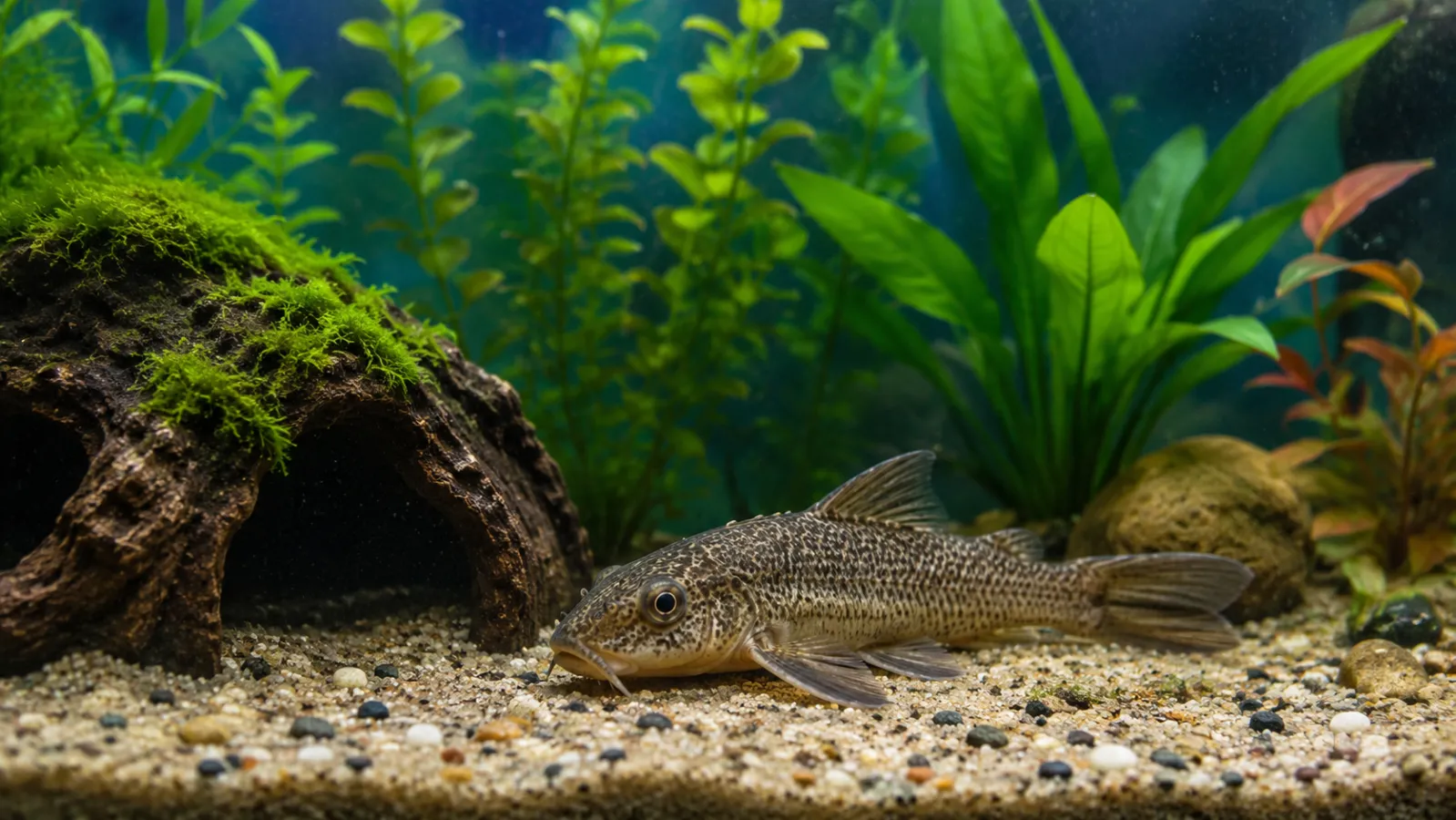
Corydoras and other bottom-oriented species spend much of their time near the substrate.
They may benefit from appropriate substrate, hiding places, and food that reaches the bottom.
Using different swimming zones can help reduce competition for space, but it does not mean you can add unlimited fish. Every fish still contributes to the aquarium's overall biological load.
5. Consider Schooling and Shoaling Requirements
Some fish should not be kept alone.
Schooling and shoaling species often feel more secure and display more natural behavior when kept in appropriate groups.
Common examples include:
- Many tetras
- Rasboras
- Danios
- Corydoras
- Some barbs
The exact group size depends on the species.
When planning a community aquarium, research the social requirements of each fish rather than purchasing one or two individuals simply to add variety.
A smaller number of species kept in appropriate groups can often create a more natural and stable aquarium than many species kept in unsuitable numbers.
6. Think About Tank Size
Tank size is directly connected to compatibility.
A fish may be peaceful but still unsuitable for a particular aquarium if it grows too large or needs more swimming space.
For example, highly active fish may need a longer aquarium that provides room for continuous swimming. Larger territorial species may need enough space to establish separate areas.
Before buying fish, consider:
- Aquarium volume
- Tank dimensions
- Adult fish size
- Swimming activity
- Territorial behavior
- Number of existing fish
A larger aquarium generally provides more flexibility, but it does not eliminate compatibility requirements.
7. Don't Ignore Territorial Behavior
Territorial fish need space to establish areas that they consider their own.
Problems can occur when several territorial fish are placed in a small aquarium without enough hiding areas or visual barriers.
Signs of territorial stress may include:
- Repeated chasing
- Flaring
- Fin damage
- Fish hiding constantly
- One fish dominating a particular area
- Other fish being prevented from accessing food
Aquascaping can sometimes help by creating separate visual barriers and hiding areas, but it cannot make fundamentally incompatible fish safe together.
8. Match Fish by Activity Level
Activity level is another factor that is sometimes overlooked.
Highly active fish can overwhelm slow-moving or timid species.
For example, constantly active fish may compete aggressively for food, while shy fish may retreat and receive inadequate nutrition.
When choosing tankmates, consider whether their activity levels are reasonably compatible.
A peaceful community is not just about avoiding aggression. Fish should also be able to live comfortably without being constantly disturbed.
9. Consider Feeding Compatibility
Different fish may have different feeding behaviors.
Some fish rush toward food immediately, while others eat slowly or search around the bottom.
If fast, aggressive feeders dominate the aquarium, slower fish may struggle to get enough food.
You can help by using different food types and feeding methods when appropriate.
For example:
- Floating foods can reach surface feeders.
- Slow-sinking foods can serve midwater fish.
- Sinking foods can reach bottom-dwelling species.
However, feeding differences do not solve fundamental compatibility problems. Fish should still be appropriate tankmates before food distribution is considered.
10. Avoid Predator and Prey Combinations
Size differences can create serious problems.
A fish that is small enough to fit into the mouth of a larger species may eventually become prey.
This can happen even when the larger fish is not generally considered highly aggressive.
Before combining species, consider their adult sizes and natural feeding behavior.
Do not assume that a peaceful reputation means a fish cannot eat smaller tankmates.
Research the mature size and diet of every species before adding it to a community aquarium.
11. Consider Fish That May Nip Fins
Some fish are known to nip the fins of other species.
Long-finned fish can be particularly vulnerable.
If you keep species with flowing fins, avoid tankmates that are known to repeatedly nip or harass them.
Even minor fin nipping can become stressful when it happens constantly.
Look beyond the label "community fish" and research the specific species and typical behavior.
12. Think About Water Temperature
Temperature compatibility is essential.
Tropical fish generally require warmer conditions than many coldwater species.
If fish have significantly different temperature preferences, placing them together may force one species to live outside its ideal conditions.
Before creating a community aquarium, compare the recommended temperature ranges of all planned species.
If the ranges overlap appropriately, maintaining a shared temperature becomes much easier.
13. Check pH and Water Hardness
Temperature is not the only water parameter that matters.
pH and hardness can also influence whether species are suitable tankmates.
Some fish naturally come from soft, acidic environments, while others are adapted to harder, more alkaline water.
A community aquarium should ideally contain species with reasonably compatible water chemistry requirements.
If your tap water has a particular pH or hardness, consider choosing fish that naturally tolerate those conditions rather than constantly trying to alter the water to suit incompatible species.
14. Consider Plants and Decorations
Aquarium decorations can influence fish compatibility.
Plants, rocks, driftwood, caves, and other structures can provide:
- Hiding places
- Visual barriers
- Resting areas
- Territories
- Breeding locations
These features can help reduce direct interaction between fish.
However, decorations should not be used as an excuse to combine incompatible species.
If a fish is naturally aggressive toward another species, adding a few plants does not guarantee that the problem will disappear.
15. Research the Fish Before Buying
One of the easiest ways to prevent compatibility problems is to research fish before purchasing them.
Look up the exact species rather than relying on a common name.
Research:
- Adult size
- Temperament
- Recommended tank size
- Temperature range
- pH range
- Water hardness
- Schooling requirements
- Diet
- Swimming zone
- Known compatible tankmates
- Known incompatible tankmates
This information can help you build a stocking plan before you spend money.
16. Avoid Choosing Fish Impulsively
A fish may look perfect when you visit an aquarium store.
However, buying fish simply because they look attractive can lead to compatibility problems later.
Before purchasing, ask yourself:
"Does this fish fit the aquarium I already have?"
If the answer is uncertain, wait and research it first.
It is much easier to prevent a compatibility problem than to find a new home for a fish after conflict develops.
17. Quarantine New Fish
Quarantine is another important consideration when introducing new fish.
New fish may carry parasites or diseases that could spread to established aquarium inhabitants.
A separate quarantine aquarium allows you to observe new fish before introducing them to the main tank.
During quarantine, you can monitor:
- Appetite
- Swimming behavior
- External appearance
- Signs of illness
- Waste
- General activity
The exact quarantine process depends on your circumstances and available equipment, but separating new fish can provide an additional layer of protection for an established aquarium.
18. Watch the Aquarium After Adding Fish
Compatibility cannot always be predicted perfectly.
Even fish from the same species can behave differently.
After introducing new fish, observe the aquarium carefully.
Look for:
- Repeated chasing
- Aggression
- Fin damage
- Persistent hiding
- Competition for food
- Unusual stress behavior
- Fish being excluded from certain areas
Occasional chasing can occur in some species, especially while establishing a hierarchy. However, persistent harassment or injury requires attention.
Do not wait for serious injuries before addressing an obvious compatibility problem.
19. Common Fish Compatibility Mistakes
Choosing Fish Based Only on Appearance
Beautiful fish are not necessarily compatible fish.
Ignoring Adult Size
Juveniles can grow into much larger fish that require more space or may prey on smaller tankmates.
Mixing Different Temperature Requirements
Fish with incompatible temperature needs should not be forced into the same aquarium.
Keeping Schooling Fish Alone
Many social species need appropriate groups to behave naturally.
Ignoring Swimming Zones
Fish competing for the same area may experience more stress and competition.
Adding Too Many Species
A tank containing many different species can become difficult to manage even when each individual species appears peaceful.
Assuming "Community Fish" Means Compatible With Everything
A fish may be peaceful overall but still have specific requirements or unsuitable tankmates.
20. Examples of Common Community Fish
Some commonly kept freshwater fish can work well in community aquariums when their specific requirements are met.
Guppies
Guppies are active, colorful livebearers that can work well with many peaceful community species.
However, they reproduce quickly, so population growth should be considered.
Platies
Platies are generally peaceful and active livebearers that can suit many community aquariums.
Like guppies, they can reproduce readily when males and females are kept together.
Tetras
Many tetra species are peaceful schooling fish.
They often work well in community setups when kept in suitable groups and paired with appropriately sized tankmates.
Rasboras
Many rasboras are peaceful schooling fish that can complement other small community species.
They generally benefit from being kept in groups.
Corydoras
Corydoras are peaceful bottom-dwelling fish that can work well with appropriately sized community fish.
They should be provided with suitable substrate and appropriate food.
The exact requirements vary by species, so always research the particular Corydoras species you plan to keep.
21. A Simple Compatibility Checklist
Before purchasing any new fish, check these four essential areas:
Temperament
Is the fish peaceful, territorial, semi-aggressive, or aggressive?
Adult Size
How large will the fish become?
Water Parameters
Can it live comfortably in the same temperature, pH, and hardness range as your existing fish?
Swimming Zone
Does it primarily use the surface, middle, or bottom of the aquarium?
If all four areas are reasonably compatible, the fish may be a good candidate for your community aquarium.
You should still check schooling requirements, feeding behavior, tank size, and other species-specific needs before making the final decision.
22. Build Your Aquarium Around Compatibility
A successful community aquarium should be planned rather than assembled randomly.
Start with your aquarium size and water conditions.
Then choose a peaceful centerpiece or primary species.
After that, select compatible schooling fish and bottom-dwelling species if your aquarium can support them.
Finally, evaluate the total biological load and make sure the aquarium is not overstocked.
This approach creates a more balanced environment than buying several unrelated fish and trying to make them work together afterward.
Final Thoughts
Choosing compatible freshwater fish is one of the most important parts of responsible aquarium keeping.
Fish should not be selected only because they have attractive colors or interesting shapes. Their temperament, adult size, water parameters, and swimming zones all need to be considered before they share an aquarium.
Research each species before purchasing it, plan for adult size, check temperature and water chemistry requirements, and understand whether the fish needs a social group.
A peaceful community aquarium is created through thoughtful planning.
When fish have compatible temperaments, adequate space, suitable water conditions, and access to their preferred swimming areas, they are more likely to behave naturally and remain healthy.
Take your time when choosing tankmates. A smaller number of carefully selected species is usually better than filling an aquarium with fish that simply look good together.
The goal is not to create the most crowded or colorful aquarium possible. The goal is to create a stable environment where every fish has the space, conditions, and compatible companions it needs to thrive.