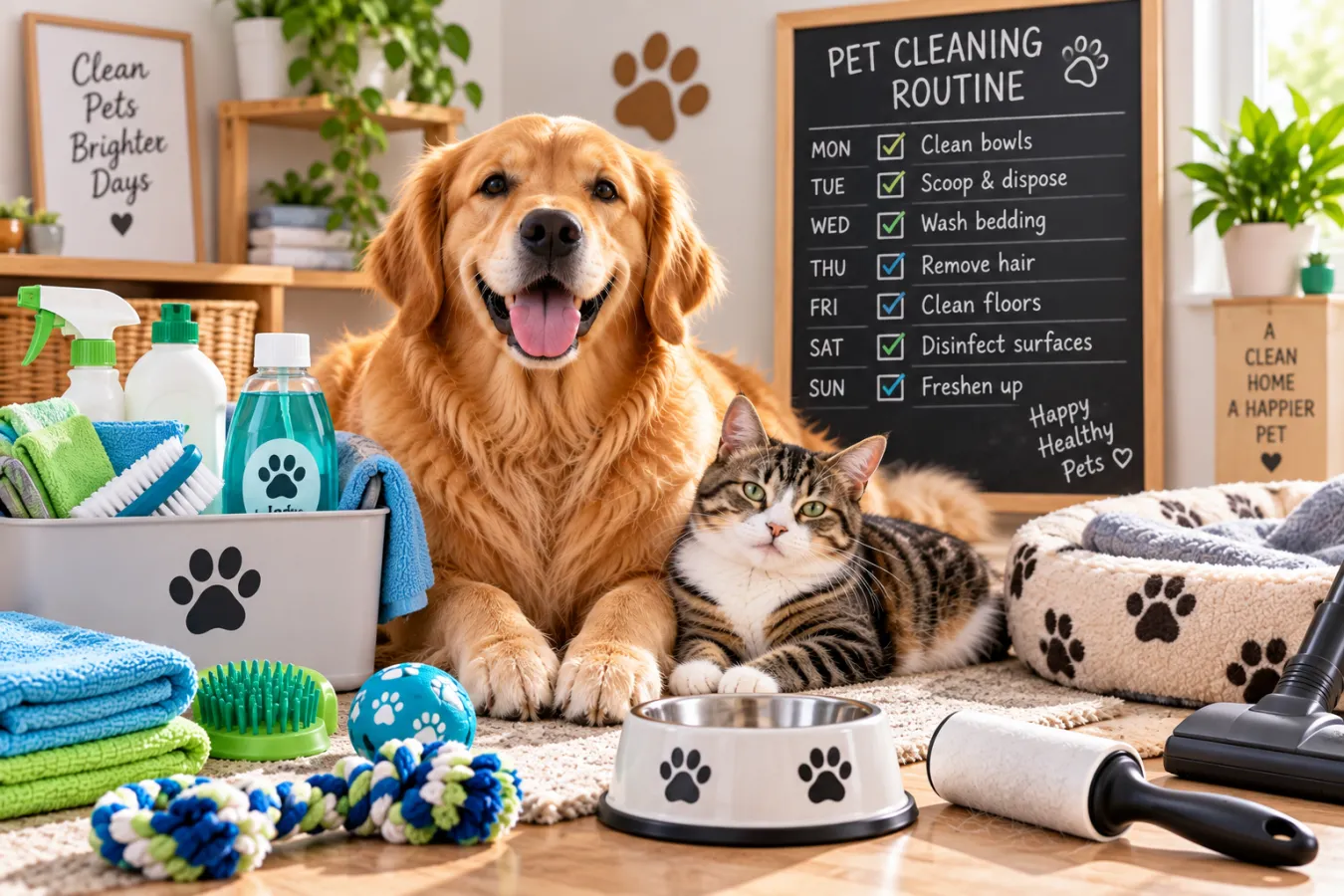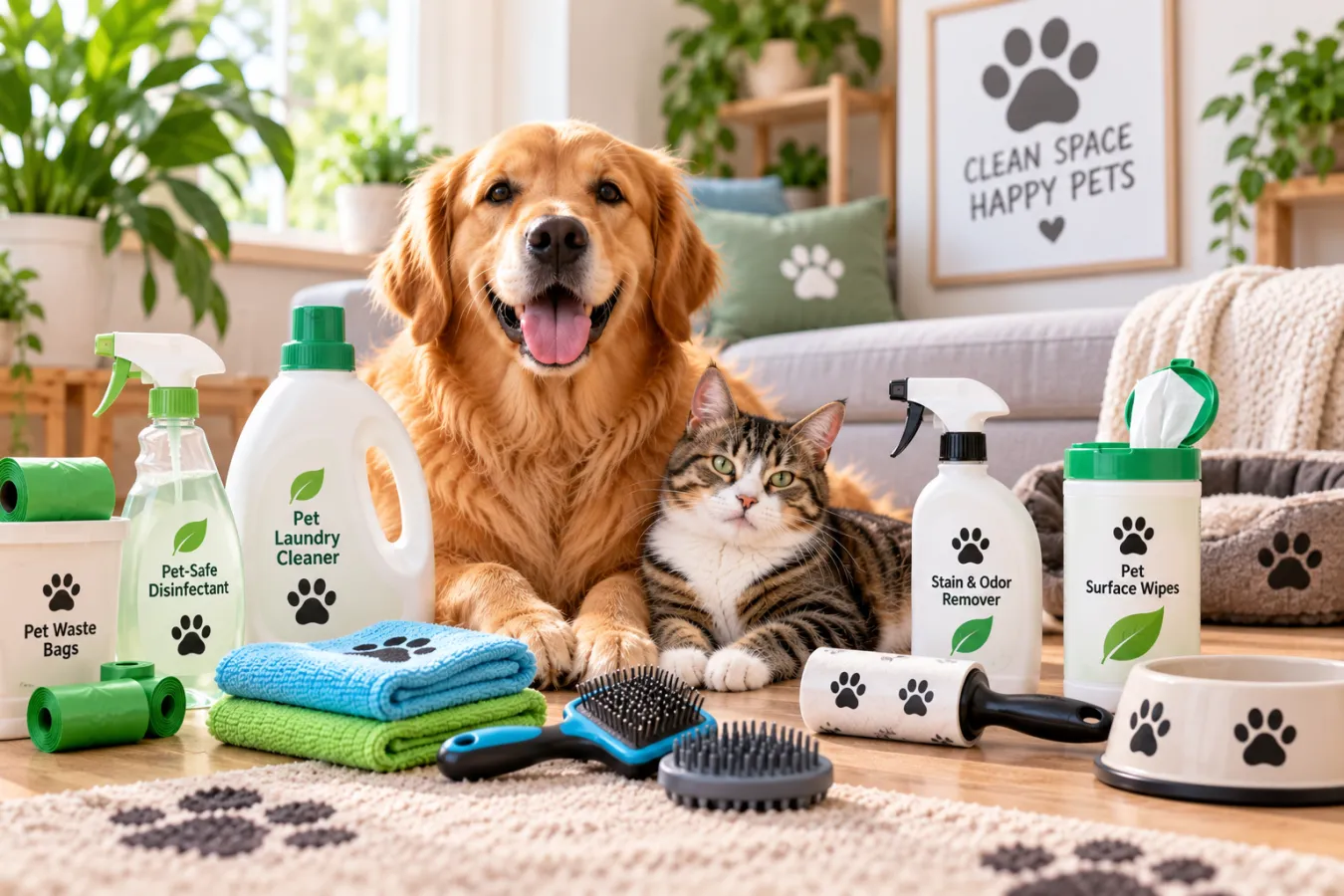
Your pet's bed may look clean on the surface, but over time it can collect hair, dirt, dust, odors, moisture, food particles, and other everyday debris. Since pets spend hours sleeping and relaxing on their bedding, keeping it clean should be part of their regular care routine.
A fresh, well-maintained sleeping area can make your home more comfortable while giving your pet a cleaner place to rest. The good news is that keeping pet bedding clean doesn't require a complicated routine.
The key is to choose washable bedding, use suitable cleaning products, wash it regularly, and dry it completely.
Why Does Pet Bedding Get Dirty So Quickly?
Pet bedding is constantly exposed to your pet's coat, paws, and daily activities. Dogs that spend time outdoors can bring dirt and debris indoors, while shedding pets can leave significant amounts of hair behind.
Bedding may collect:
- Loose pet hair
- Dirt and dust
- Outdoor debris
- Skin flakes
- Body oils
- Food crumbs
- Moisture
- Unpleasant odors
Pet dander can also accumulate on fabrics and household surfaces. The American Lung Association recommends regular cleaning of household surfaces and fabrics as part of managing exposure to pet allergens. (lung.org)
This makes regular bedding maintenance an important part of keeping your pet's environment clean.
Choose Washable Pet Bedding
One of the best decisions you can make when selecting pet bedding is choosing a design that is easy to wash.
Look for features such as:
- Removable covers
- Machine-washable materials
- Durable fabrics
- Easy-to-clean surfaces
- Replaceable covers
- Secure stitching
Washable bedding makes routine maintenance much easier because you can clean the cover regularly without necessarily having to replace the entire bed.
If you're choosing products for a puppy, you may also want to read How to Choose Safe Products for Puppies. Puppies can be particularly curious and may chew or investigate bedding and other household products.
Remove Hair and Debris Before Washing
Before washing pet bedding, remove loose hair, dirt, and larger pieces of debris.
Useful tools include:
- A lint roller
- A fabric brush
- A suitable vacuum attachment
- A reusable hair-removal tool
This can make the washing process easier and help prevent excessive hair from entering the washing machine.
For pets that spend a lot of time outdoors, shake or brush off loose dirt where appropriate before washing.
Use a Suitable Detergent
Choose a laundry detergent that is appropriate for the bedding material and follow the manufacturer's washing instructions.
Avoid assuming that more detergent means cleaner bedding. Using excessive detergent can make thorough rinsing more difficult and may leave unwanted residue.
Always follow the detergent's instructions and consider your pet's individual needs. If your veterinarian has recommended a particular cleaning approach for your pet's bedding, follow that advice.
The ASPCA advises pet owners to keep laundry products safely stored because some laundry products can be harmful if pets ingest them. (aspca.org)
Wash Pet Bedding Regularly
Don't wait until the bedding develops a strong odor before washing it.
The ideal cleaning frequency depends on your pet and their lifestyle.
You may need to wash bedding more frequently if your pet:
- Sheds heavily
- Spends a lot of time outdoors
- Frequently gets wet or muddy
- Eats treats or food on the bed
- Has occasional accidents
- Uses the bed every day
Inspect the bedding regularly and wash it whenever it becomes visibly dirty or noticeably smells.
Follow the Care Instructions
Before washing a pet bed, always check the manufacturer's care label.
It may tell you:
- Whether machine washing is permitted
- Recommended water temperature
- Which detergents are suitable
- Whether bleach can be used
- Whether the cover should be removed
- Whether the filling can be washed
- Recommended drying methods
Following these instructions helps reduce the risk of shrinking, fading, damaged stitching, or changes to the shape of the bedding.
Clean More Than Just the Cover
A removable cover is convenient, but don't forget the rest of the sleeping area.
Hair and dirt can accumulate:
- Under cushions
- Inside seams
- Beneath the bed
- Around zippers
- On blankets
- On the floor underneath the bed
When possible, clean the cushion or filling according to the manufacturer's instructions.
Also clean the surrounding floor regularly to prevent hair and dirt from building up around the sleeping area.
Dry Pet Bedding Completely
Proper drying is just as important as washing.
Damp bedding can become unpleasant-smelling and uncomfortable for your pet. Follow the manufacturer's drying instructions and make sure every component is completely dry before your pet uses it again.
If air drying is recommended, choose a well-ventilated location.
Don't put bedding back on the bed while it is still damp.
Clean Pet Bedding After Accidents
Accidents should be dealt with promptly.
If your pet urinates, vomits, or soils their bedding:
- Remove the bedding from the sleeping area.
- Remove solid material or excess moisture.
- Check the care instructions.
- Use an appropriate cleaning product if permitted.
- Wash according to the manufacturer's instructions.
- Rinse thoroughly when required.
- Dry completely before reuse.
If you're also dealing with accidents around the home, read our guide on How to Clean Pet Stains Without Damaging Your Carpet.
How to Keep Pet Bedding Smelling Fresh
A fresh-smelling pet bed starts with proper cleaning rather than simply covering odors with fragrance.
Try these habits:
Wash Regularly
Regular washing helps prevent dirt, hair, and odors from building up.
Remove Hair Frequently
Use a lint roller, brush, or suitable vacuum attachment to remove loose hair between washes.
Dry Thoroughly
Make sure bedding is completely dry before your pet uses it again.
Clean Accidents Promptly
Don't allow urine or other messes to remain on the bedding longer than necessary.
Clean the Surrounding Area
Vacuum and clean the floor around the bed to prevent odors and debris from accumulating nearby.
For persistent smells elsewhere in your home, see Best Products for Removing Pet Odors at Home.
Should You Use Fabric Softener on Pet Bedding?
Don't automatically add fabric softener to pet bedding.
Check the bedding manufacturer's instructions and the laundry product's directions first. If you're uncertain about whether a particular product is appropriate for your pet's bedding, ask the manufacturer or your veterinarian.
The goal is clean, thoroughly rinsed, and completely dry bedding—not simply strongly scented bedding.
How to Clean a Dog Bed With a Removable Cover
Removable covers are one of the most convenient features for pet owners.
A simple process is:
1. Remove loose hair
Use a lint roller, brush, or suitable vacuum attachment.
2. Remove the cover
Follow the manufacturer's instructions.
3. Check the label
Confirm the recommended washing method.
4. Wash the cover
Use an appropriate detergent and washing cycle.
5. Clean the cushion if permitted
Follow its specific care instructions.
6. Dry everything completely
Don't reassemble the bed while components remain damp.
7. Reassemble the bed
Once everything is completely clean and dry.
What If Your Pet Bed Cannot Be Machine Washed?
Not every pet bed is designed for machine washing.
If yours isn't machine washable, follow the manufacturer's cleaning instructions. Depending on the material, this may involve:
- Vacuuming
- Spot cleaning
- Wiping
- Hand washing
- Air drying
Avoid soaking materials that aren't designed to handle excessive moisture.
When in doubt, contact the manufacturer for cleaning guidance.
Keep an Extra Blanket or Cover Available
Having a spare washable blanket or replacement cover can make pet-bed cleaning much easier.
While one cover is being washed and dried, your pet can use the clean alternative.
This is especially convenient for pets that get dirty frequently or experience occasional accidents.
How Often Should Pet Bedding Be Washed?
There is no single schedule that works for every pet.
As a general rule, inspect bedding regularly and wash it whenever it becomes visibly dirty, develops an odor, or accumulates significant hair and debris.
Pets with heavy shedding, outdoor lifestyles, or frequent accidents may need more frequent washing.
If your pet has a veterinary condition that requires special hygiene measures, follow your veterinarian's recommendations.
Common Pet Bedding Cleaning Mistakes
Waiting Until It Smells
Strong odors shouldn't be your only signal that bedding needs cleaning. Regular washing can prevent significant buildup.
Washing Only the Cover
The cushion, filling, seams, and surrounding area may also collect dirt and hair.
Using Too Much Detergent
Excess detergent doesn't necessarily provide better cleaning and can make thorough rinsing difficult.
Returning Damp Bedding
Always make sure the bedding is completely dry.
Ignoring the Surrounding Area
The floor underneath and around the bed can accumulate hair, dirt, and dust.
Using the Wrong Cleaning Product
Only use cleaning products that are suitable for the bedding material and intended purpose.
Create a Simple Pet Bedding Cleaning Routine
A manageable routine could look like this:
Every Day or As Needed
Remove visible hair, food particles, and dirt.
Regularly
Inspect the bedding for odors, stains, moisture, and excessive hair.
On a Scheduled Basis
Wash covers, blankets, and bedding according to their care instructions.
After Accidents
Clean the bedding as soon as practical.
After Washing
Dry every component completely before your pet uses it.
Pet Bedding Cleaning Checklist
Before returning clean bedding to your pet, check:
- Is the bedding visibly clean?
- Have loose hairs been removed?
- Was it washed according to the care label?
- Was it thoroughly rinsed?
- Is every part completely dry?
- Are there any remaining odors?
- Is the cushion or filling still in good condition?
- Is the area underneath the bed clean?
- Are there damaged seams, loose threads, or exposed filling?
Regularly checking the physical condition of bedding is important too. If a bed becomes damaged and your pet begins chewing or pulling at exposed materials, replacement may be safer.
Frequently Asked Questions
How often should I wash my pet's bedding?
Wash pet bedding regularly and whenever it becomes visibly dirty, develops an odor, or accumulates significant hair and debris. Pets that shed heavily, spend lots of time outdoors, or have frequent accidents may need more frequent washing.
What detergent should I use for pet bedding?
Use a detergent appropriate for the bedding material and follow the manufacturer's washing instructions. Don't use more detergent than recommended, and make sure the bedding is thoroughly rinsed.
Can I wash my dog's bed in a washing machine?
Some dog beds and removable covers are machine washable, while others aren't. Always check the manufacturer's care instructions before machine washing any part of the bed.
How do I remove dog hair from bedding?
Use a lint roller, fabric brush, reusable hair-removal tool, or suitable vacuum attachment before washing. Removing loose hair first can make washing easier.
How do I keep my dog's bed smelling fresh?
Wash bedding regularly, remove loose hair, clean accidents promptly, dry everything thoroughly, and keep the surrounding area clean. Avoid simply using strong fragrances to mask persistent odors.
Can I use fabric softener on pet bedding?
Check the manufacturer's instructions before using fabric softener. If you're uncertain about a laundry product, consult the manufacturer or your veterinarian.
How do I clean a pet bed that isn't machine washable?
Follow the manufacturer's instructions. Depending on the material, vacuuming, spot cleaning, hand washing, or wiping may be appropriate. Avoid excessive moisture unless the product is designed to handle it.
Should pet bedding be washed separately?
Follow the bedding and washing-product instructions. For heavily soiled bedding, washing it separately from everyday clothing can be a practical household choice.
How do I clean pet bedding after a urine accident?
Remove the bedding promptly, check its care instructions, and use an appropriate stain and odor treatment if permitted. Wash and dry the bedding thoroughly before allowing your pet to use it again.
Why does my pet's bed smell even after washing?
Persistent odors may indicate that the odor source remains in the cushion, filling, cover, or surrounding area. Check whether all components can be cleaned and dried properly. A suitable pet odor treatment may help when permitted for the material.
How can I reduce hair buildup on pet bedding?
Regular grooming and frequent removal of loose hair can help. Use a lint roller, fabric brush, reusable hair remover, or suitable vacuum attachment between washes.
What should I look for in an easy-to-clean dog bed?
Look for removable washable covers, durable materials, practical construction, accessible zippers, and clear care instructions. Easy-to-clean materials can make regular maintenance significantly simpler.
Final Thoughts
Keeping your pet's bedding clean doesn't have to become another difficult household chore.
The simplest strategy is to choose washable bedding, remove loose hair regularly, use suitable detergents, wash the bedding consistently, and make sure every part is completely dry before your pet uses it again.
Don't forget the area surrounding the bed. Regularly cleaning the floor, removing loose hair, and dealing with accidents promptly can help keep the entire sleeping area fresher.
A little routine maintenance can go a long way toward keeping your pet's favorite resting place comfortable and your home cleaner.
For more pet-care advice, explore our guides on How to Choose Safe Products for Puppies, How to Clean Pet Stains Without Damaging Your Carpet, and Best Products for Removing Pet Odors at Home.
Sources & References
- American Lung Association — Pet Dander
- ASPCA — Poisonous Household Products
- American Kennel Club — Dog Grooming and Coat Care
Disclaimer
This article is intended for general educational purposes and does not replace veterinary advice or the manufacturer's care instructions for pet bedding and cleaning products. Always follow the product label and bedding manufacturer's recommendations.
Created with AI • Independently Verified