Keeping freshwater fish is one of the most enjoyable parts of having an aquarium, but feeding them correctly is more important than simply dropping food into the tank. Different freshwater fish have different nutritional needs. Some are herbivores, some are carnivores, and many are omnivores that need a balanced combination of plant and animal-based foods.
Overfeeding is also one of the most common mistakes made by aquarium owners. Too much food can remain uneaten, break down in the water, increase waste, and contribute to poor water quality. At the same time, feeding too little or choosing the wrong food can prevent fish from getting the nutrients they need to grow, stay active, and maintain healthy coloration.
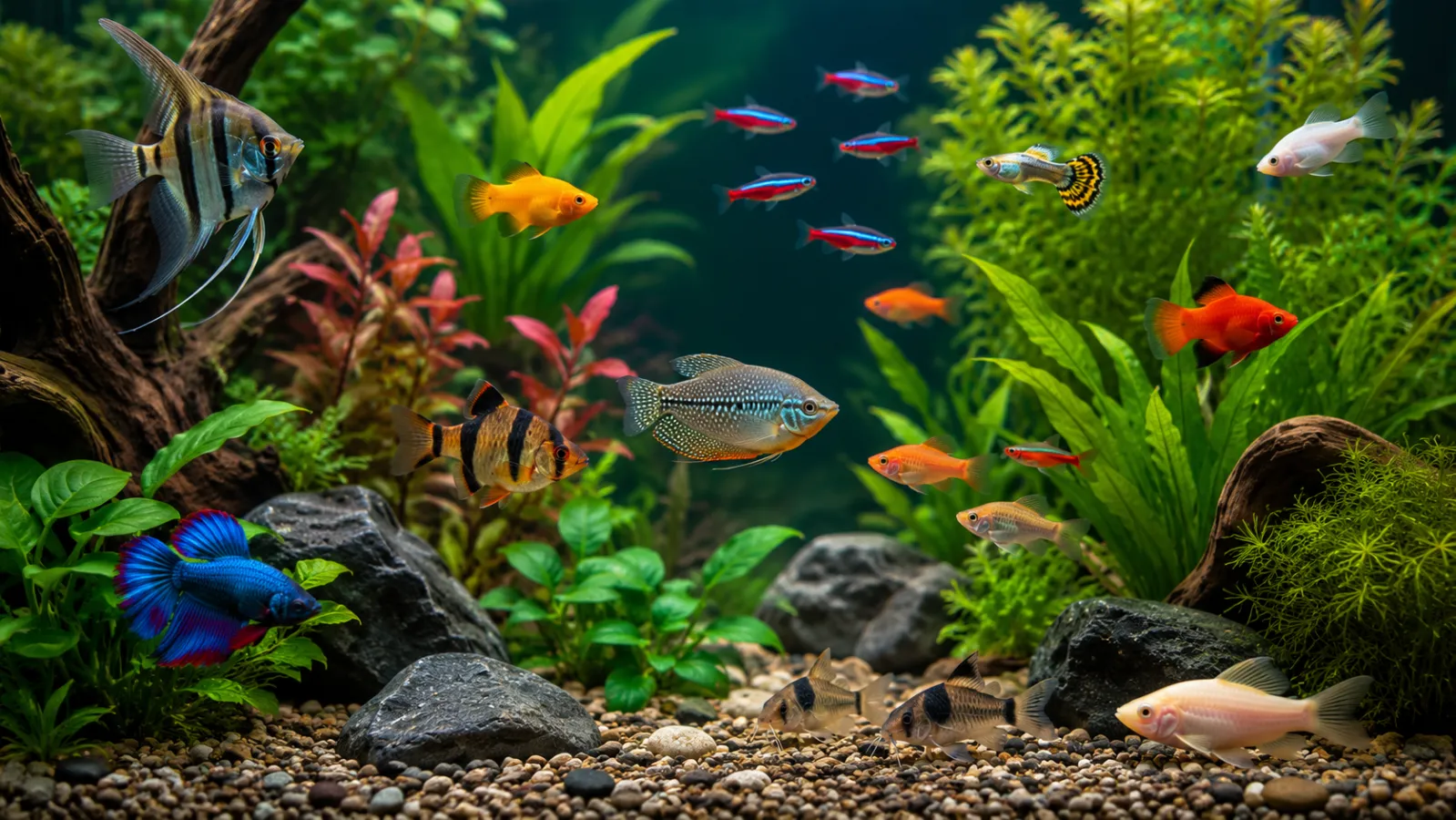
Whether you have a community aquarium with tetras and guppies, a goldfish tank, a cichlid aquarium, or bottom-dwelling fish such as Corydoras, understanding what your fish naturally eat will help you create a healthier feeding routine.
1. Understand Your Fish's Natural Diet
The first step in feeding freshwater fish properly is identifying whether your fish is primarily an herbivore, carnivore, or omnivore.
Fish have evolved to eat different foods in their natural environments. Their digestive systems, mouth shapes, teeth, and feeding behaviors are adapted to particular types of food.
Herbivorous Fish
Herbivorous fish primarily consume plant-based foods. In nature, they may graze on algae, aquatic plants, plant matter, and other vegetation.
Examples include some species of plecos and African cichlids that rely heavily on plant-based foods.
Suitable foods may include:
- Spirulina-based foods
- Algae wafers
- Vegetable-based pellets
- Blanched zucchini
- Shelled peas
- Spinach
- Cucumber
Plant-based foods should be selected according to the specific species because not every fish that occasionally eats vegetables is a strict herbivore.
Carnivorous Fish
Carnivorous freshwater fish primarily eat animal-based foods. In the wild, their diets may include insects, worms, crustaceans, smaller fish, and other aquatic organisms.
Examples include bettas, many predatory cichlids, and other carnivorous species.
Suitable foods can include:
- High-quality carnivore pellets
- Frozen bloodworms
- Brine shrimp
- Daphnia
- Insect-based foods
- Species-appropriate frozen or prepared foods
Carnivorous fish generally require foods that provide adequate protein, but more protein does not automatically mean better food. The diet should be appropriate for the species and life stage.
Omnivorous Fish
Omnivorous fish eat both plant and animal matter. Many popular aquarium fish fall into this category.
Examples include:
- Guppies
- Mollies
- Platies
- Many tetras
- Goldfish
- Many community aquarium species
Omnivorous fish usually do best with a varied diet rather than being fed the same food every day.
2. Choose the Right Type of Fish Food
Walk into an aquarium store and you may find flakes, pellets, wafers, granules, frozen foods, freeze-dried foods, and other options. The variety can be confusing for beginners.
The best food depends on the species, feeding level, mouth size, and dietary requirements of your fish.
Flake Food
Flakes are popular because they are easy to portion and work well for many small and medium-sized fish that feed near the surface.
They can be particularly convenient for community aquariums containing species such as small tetras, guppies, and livebearers.
However, flakes can lose nutritional quality if stored improperly. Keep them dry and sealed, and avoid using old food that has been sitting around for a long time.
Pellets and Granules
Pellets and granules are available in different sizes and formulas. They can be useful because you can choose food designed for specific fish and feeding habits.
Small fish need appropriately sized particles. Large pellets may be difficult for small fish to eat, while tiny particles may not provide practical feeding for larger species.
Sinking Wafers
Sinking wafers are useful for bottom-dwelling fish. They allow food to reach the lower areas of the aquarium rather than remaining at the surface.
They are commonly used for fish such as Corydoras and some algae-eating species, depending on the formulation.
Remember that "bottom-dweller" does not automatically mean "algae eater." Always check the dietary requirements of the particular species.
Frozen and Freeze-Dried Foods
Foods such as bloodworms, brine shrimp, and daphnia can provide variety and may be useful as part of a balanced diet.
Frozen foods should be handled hygienically and used appropriately. Freeze-dried foods can be convenient but may benefit from being softened before feeding, depending on the food and fish.
These foods should generally complement a quality staple diet rather than becoming the only food your fish receive.
3. Match Food Size to Your Fish
Food size matters more than many new fishkeepers realize.
A fish may recognize food but still struggle to eat it if the pieces are too large. On the other hand, food that is extremely small may be difficult to portion correctly and can spread throughout the aquarium.
When selecting food, consider:
- The size of your fish
- The size of their mouths
- Whether they feed at the surface, middle, or bottom
- How quickly they can consume the food
- Whether multiple fish need different food sizes
For a community aquarium, you may need more than one type or size of food to make sure every species gets an appropriate meal.
4. Feed the Correct Portion
One of the biggest concerns when feeding freshwater fish is overfeeding.
Fish can often appear hungry even after they have eaten enough. Some species will continue eating whenever food is available, which can encourage owners to feed more than necessary.
A better approach is to provide a small portion and observe how quickly your fish consume it.
For many aquarium fish, food should be consumed within a short period rather than remaining scattered around the tank for long periods.
Instead of asking, "Do my fish still look hungry?" ask:
"Did they receive an appropriate amount of food for their species and size?"
The correct amount depends on the fish, their age, activity level, tank conditions, and the type of food being used.
5. How Often Should Freshwater Fish Eat?
There is no single feeding schedule that works for every freshwater fish.
Many adult aquarium fish can be fed once or twice a day, while growing juveniles may require more frequent feeding because they are developing rapidly.
The important point is that feeding frequency should be matched to the species and life stage.
For example, young fish may need several small meals, while some adult fish can do well with fewer feedings.
Avoid automatically increasing the amount of food simply because you increase feeding frequency. Multiple meals should generally mean smaller portions rather than several large meals.
6. Give Fish a Varied Diet
A high-quality staple food can form the foundation of an aquarium diet, but variety can be beneficial for many freshwater species.
Depending on the fish, you may rotate appropriate foods such as:
- Quality flakes
- Pellets
- Granules
- Spirulina-based foods
- Algae wafers
- Brine shrimp
- Daphnia
- Bloodworms
- Appropriate vegetables
Variety can help provide different nutrients and can also encourage natural feeding behaviors.
However, variety does not mean feeding random foods. Every item should be appropriate for the species.
7. What Human Foods Can Freshwater Fish Eat?
Some freshwater fish can safely consume certain vegetables when they are prepared appropriately.
Depending on the species, options may include:
- Zucchini
- Cucumber
- Peas
- Spinach
- Lettuce
Vegetables should be plain and prepared appropriately for aquarium use. Avoid seasoning, oils, sauces, salt, and other additives.
Do not assume that every human food is safe for fish. Bread, processed foods, salty foods, sugary foods, and heavily seasoned foods are not appropriate aquarium foods.
If you are unsure whether a food is suitable, use a species-appropriate commercial fish food instead.
8. Consider Different Feeding Levels in the Aquarium
Fish do not all eat in the same part of the aquarium.
Some species feed primarily at the surface, others in the middle of the water column, and some search for food near the bottom.
This matters in community tanks.
If you have surface-feeding fish that eat everything immediately, bottom-dwelling species may not receive enough food. Conversely, adding too much food to compensate can result in excess waste.
A community aquarium may therefore benefit from using different food types or feeding techniques.
For example:
Surface feeders may do well with floating flakes or pellets.
Midwater fish may benefit from slow-sinking granules.
Bottom feeders may require sinking wafers or species-appropriate sinking foods.
The goal is not simply to put more food into the aquarium. The goal is to make sure the right fish receive the right food.
9. Feed Different Fish According to Their Needs
Betta Fish
Bettas are primarily carnivorous and generally benefit from high-quality betta pellets or other suitable protein-rich foods. Small portions are important because their stomachs are relatively small.
Occasional suitable frozen or freeze-dried foods can add variety.
Goldfish
Goldfish are omnivorous and can eat a combination of plant and animal-based foods. High-quality goldfish pellets or flakes should form the foundation of their diet, with suitable plant matter used as variety when appropriate.
Because goldfish produce considerable waste, overfeeding can quickly affect aquarium water quality.
Guppies
Guppies are omnivores and can eat quality flakes, small pellets, and appropriately sized supplemental foods.
Because their mouths are small, food should be appropriately sized.
Tetras
Many commonly kept tetras are omnivorous and can eat high-quality flakes, micro-pellets, and appropriately sized frozen or freeze-dried foods.
Small portions are usually preferable because tetras have relatively small stomachs.
Corydoras
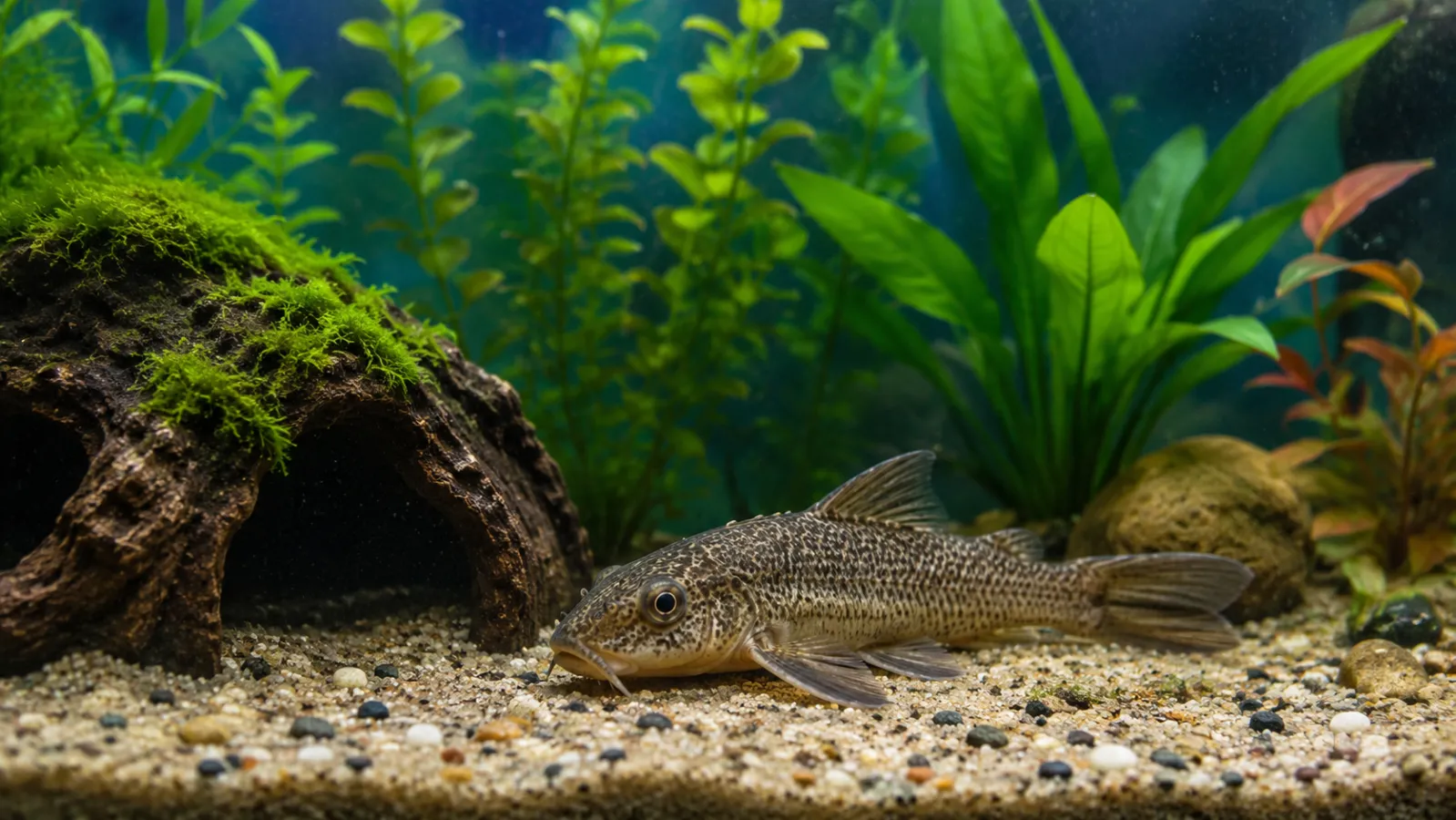
Corydoras are bottom-dwelling omnivores. They should receive sinking foods that reach the substrate rather than relying only on leftover food from other fish.
Appropriate sinking pellets or wafers can help ensure they receive their own meals.
Plecos
Plecos are not all the same. Some species consume significant amounts of algae and plant matter, while others require more varied diets.
It is important to identify the exact species before deciding what to feed.
This is a perfect example of why "bottom feeder" or "algae eater" is not enough information to create a proper feeding plan.
10. Avoid Overfeeding
Overfeeding does more than waste food.
Uneaten food breaks down and contributes to organic waste in the aquarium. This can increase the workload on the aquarium's biological filtration system and contribute to deteriorating water quality.
Signs that you may be feeding too much include:
- Food regularly remains uneaten
- Excess debris accumulates on the substrate
- Water becomes cloudy
- Algae problems increase
- Fish become unusually bloated
- Water parameters become difficult to maintain
If food is consistently left behind, reduce the portion rather than continuing to add more.
11. Remove Excess Uneaten Food
If your fish do not eat all the food, do not simply leave it in the aquarium.
Remove obvious excess food using an aquarium net, siphon, or other appropriate aquarium-cleaning method.
This is especially important with foods that break down quickly.
Keeping the tank clean does not mean removing every tiny particle immediately. Aquarium ecosystems naturally contain microorganisms and other organisms that process waste. However, deliberately leaving large amounts of uneaten food in the tank is poor feeding practice.
12. Watch Your Fish While They Eat
One of the best ways to understand whether your feeding routine is working is to observe your fish.
Look for:
- Active interest in food
- Normal swimming behavior
- Healthy body condition
- Appropriate competition for food
- Fish that consistently miss meals
- Fish that become unusually aggressive during feeding
Observation can reveal problems that a feeding schedule alone cannot.
If one fish always reaches the food first, another fish may be getting too little. If a fish suddenly stops eating, that may indicate stress, illness, poor water quality, unsuitable food, or another environmental problem.
A sudden change in appetite should not automatically be solved by adding more food.
13. Feeding Fish During Vacation
If you are away from home for a short period, avoid the common mistake of giving your fish a huge meal before leaving.
Fish generally do not benefit from being heavily fed simply because you will not be there for their next normal feeding.
For longer absences, consider asking a reliable person to feed the aquarium using pre-measured portions. Automatic feeders can also be useful when properly tested before the trip.
The key is consistency. A vacation should not turn into an accidental overfeeding event.
14. Keep Food Fresh
Fish food can lose quality when exposed to moisture, heat, air, and prolonged storage.
Store food according to the manufacturer's instructions, preferably in a cool, dry location with the container properly closed.
Avoid buying extremely large quantities simply because they appear cheaper if you cannot use them before the food loses freshness.
For smaller aquariums, smaller containers can make sense because the food may be consumed before it becomes stale.
15. Common Fish-Feeding Mistakes to Avoid
Many aquarium feeding problems come from a few simple mistakes.
Feeding Too Much
More food does not mean healthier fish. Excess food contributes to waste and can damage water quality.
Feeding the Wrong Food
A food that works for one species may not meet another species' nutritional requirements.
Ignoring Fish Size
Large pieces can be difficult or impossible for small fish to consume.
Feeding Only One Food Forever
A quality staple diet may be appropriate, but some fish benefit from carefully selected dietary variety.
Assuming All Bottom Feeders Eat Algae
Different bottom-dwelling species have very different dietary requirements.
Ignoring Uneaten Food
If food remains in the aquarium regularly, reconsider the portion size and feeding method.
Feeding Based Only on Fish Behavior
Fish may appear eager for food even when they have already eaten enough. Feeding should be based on nutritional needs rather than apparent hunger alone.
A Simple Freshwater Fish Feeding Routine
For many beginner aquariums, a simple routine can make feeding easier.
First, identify every fish species in the aquarium.
Second, determine whether each species is primarily herbivorous, carnivorous, or omnivorous.
Third, choose a high-quality staple food that matches the species.
Fourth, make sure the food is an appropriate size.
Fifth, provide a small portion and observe how quickly the fish consume it.
Sixth, use appropriate supplemental foods when needed for variety.
Finally, remove excessive uneaten food and monitor aquarium water quality.
This approach is much more reliable than simply feeding the same amount of food every day without observing the fish.
Final Thoughts
So, what do freshwater fish eat? The answer depends on the species.
Some freshwater fish primarily eat plant matter, some depend more heavily on animal-based foods, and many are omnivores that benefit from a combination of both. Commercial flakes, pellets, granules, wafers, frozen foods, and selected vegetables can all have a place in a well-planned aquarium diet.
The most important rule is to feed for the fish you actually keep—not for freshwater fish in general.
Identify species-specific dietary needs, choose appropriately sized food, provide reasonable portions, and remove excessive uneaten food. Just as importantly, observe your fish and adjust your routine when necessary.
A successful feeding routine is not about putting as much food into the aquarium as possible. It is about providing the right nutrition in the right amount while protecting the water quality your fish depend on every day.
When feeding is done thoughtfully, your aquarium can become a healthier and more stable environment where fish can display natural behaviors, maintain good body condition, and thrive for years to come.