
Bringing a puppy home is exciting. It is also a little chaotic.
One moment you are admiring those tiny paws, and the next you are cleaning up an accident or rescuing a slipper from a determined little mouth. That is normal. The first few weeks are less about creating a perfectly trained dog and more about helping your puppy understand how life works in your home.
You do not need hours of formal training every day. A few simple habits, repeated consistently, can make a huge difference.
Most first-time owners feel overwhelmed during the first week. Accidents, chewing, whining, excitement, and interrupted sleep are all common parts of puppy life. You are not failing if things do not go smoothly from day one.
This guide focuses on the stages most new owners experience: the first 48 hours, the first two weeks, and the important socialization period from roughly 8–16 weeks. Along the way, you will find simple training scripts, realistic goals, troubleshooting tips, and practical adjustments for different homes, schedules, budgets, and abilities.
Before You Start: Keep These Principles in Mind
Reward the behavior you want
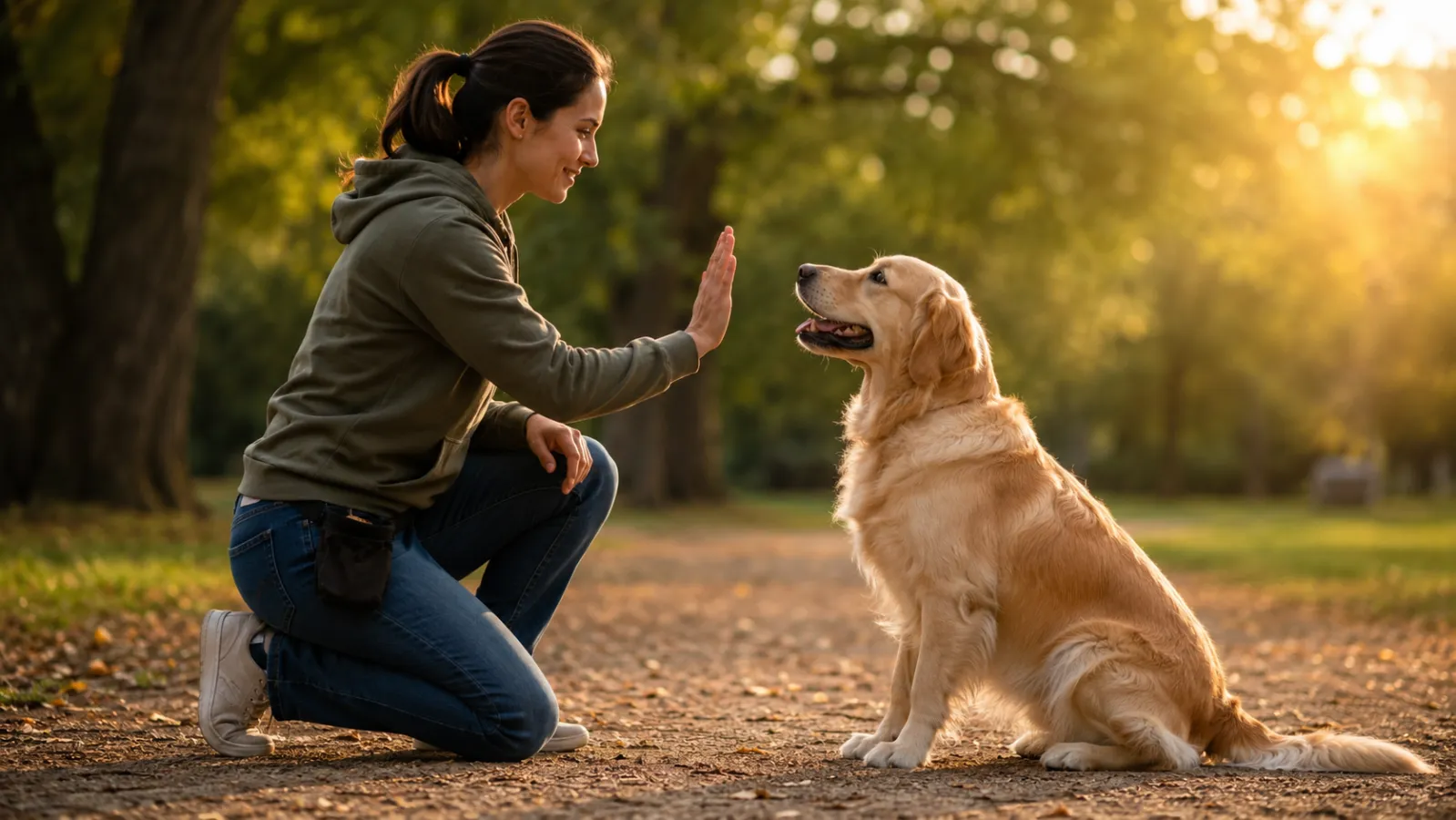
Positive reinforcement is a simple idea: when your puppy does something you like, make it worth repeating.
That might mean a tiny treat, praise, a favorite toy, or a few seconds of play. The reward should come immediately after the behavior so your puppy can connect the two.
Harsh punishment is not necessary. It can create fear or confusion instead of helping your puppy understand what you actually want.
Manage the environment before expecting perfect behavior
Imagine leaving a puppy alone in a room full of shoes, cables, cushions, and anything else they can reach. Then imagine being surprised when something gets chewed.
Management prevents many problems before they happen.
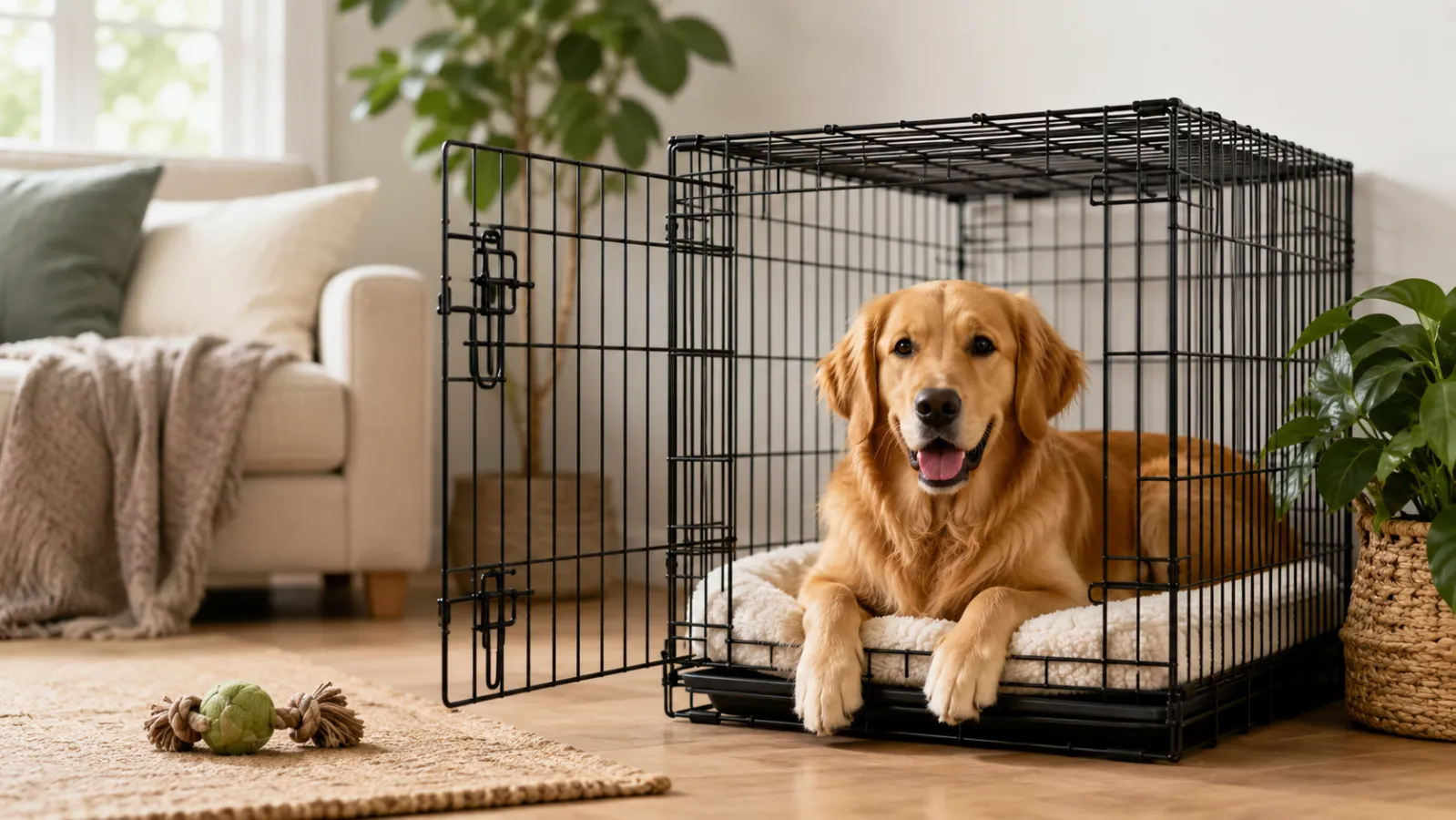
Baby gates, puppy pens, crates, leashes, and restricted areas can give your puppy fewer opportunities to practice unwanted behaviors. Training becomes much easier when the environment is already working in your favor.
For more practical advice, see Be Patient & Consistent.
Adjust your expectations to your puppy and your household
A lively working breed, a small apartment dog, and a puppy living with young children may need very different routines.
The same is true for owners. A person working long shifts will organize puppy care differently from someone working from home. Someone with limited mobility may need a ground-floor toilet area or additional management tools.
There is no single perfect puppy-training routine.
Make sure everyone follows the basic rules
If one person allows the puppy on the sofa while another constantly says no, the puppy receives mixed signals.
Keep household rules simple. Decide which behaviors are allowed, which cues everyone will use, and how jumping or chewing will be handled.
You do not need every visitor to follow your training system perfectly. Consistency among the people who regularly care for the puppy matters most.
Get professional help when behavior becomes concerning
Some puppy behaviors need more than basic training.
Repeated attempts to bite, serious fear, intense resource guarding, or behavior that feels unsafe are good reasons to contact a veterinarian and a qualified, force-free trainer or behavior professional.
You can also read Anxiety and Behavioral Health.
The Minimum Plan: Start Here If You Feel Overwhelmed
If you are exhausted and wondering where to begin, keep it simple.
Focus on three things:
- Create a regular toilet routine — especially after waking, eating, playing, and before sleep.
- Use a managed space — such as a crate, pen, or gated room when you cannot supervise.
- Teach your puppy that their name means something good.
That is enough to begin.
You do not have to teach ten commands in the first week. A puppy who learns where to toilet, stays safely managed, and happily responds to their name is already making meaningful progress.
A properly introduced crate can be especially useful. See Use Crate Training (Properly).
Stage 1: The First 48 Hours
The first couple of days are mainly about helping your puppy settle in.
Everything is new: the smells, sounds, people, rooms, sleeping area, and daily rhythm. Instead of trying to teach a long list of commands, concentrate on safety, routine, rest, and gentle interaction.
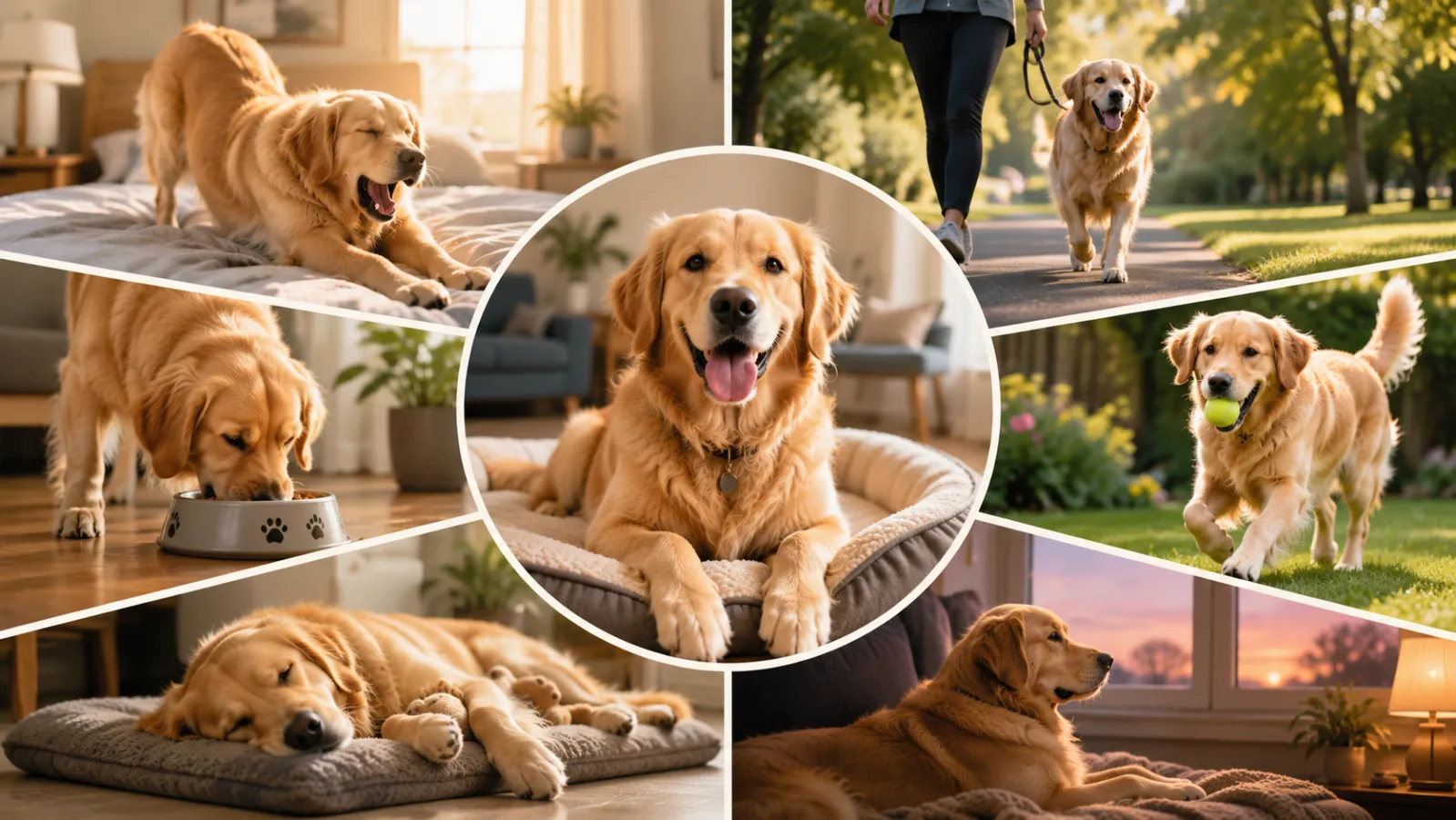
1. Create a Simple Daily Rhythm
Start by limiting access to parts of the home where you cannot safely supervise your puppy.
A baby gate, puppy pen, or crate can help.
A basic routine might look like this:
Wake → toilet → short supervised time → rest
After meals, drinking, play, and naps:
Toilet → calm activity → rest
In the evening:
Wind down → final toilet trip → sleep area
The exact schedule will depend on your puppy's age and bladder control.
You do not need a complicated timetable. You simply want your puppy to begin recognizing a predictable pattern.
For more help, see Create a Daily Routine.
2. Start Toilet Training Immediately
You do not need to wait several days before beginning house training.
Take your puppy to the designated toilet area after waking, eating, drinking, playing, and before confinement or sleep.
Stand quietly and give them time.
A simple potty-training script
Cue:
You can say “Toilet” or “Go potty” once your puppy begins eliminating.
What you do:
Take the puppy to the designated spot and wait calmly.
What the puppy does:
They eliminate.
Your response:
The instant they finish, say “Yes!” and give a small treat with calm praise.
The timing matters. Rewarding several seconds later makes it harder for the puppy to understand what earned the reward.
If accidents continue, increase the frequency of toilet trips and make sure the puppy spends enough time in the designated area. Clean indoor accidents thoroughly with an enzymatic cleaner.
Do not punish the puppy for an accident.
You can move forward when your puppy is successfully eliminating in the correct place most of the time when taken out on schedule.
For more detailed guidance, see Establish a Potty Routine.
3. Teach Your Puppy Their Name
Your puppy's name should become a positive signal, not something they hear only when they are in trouble.
A simple name game
Cue:
Say the puppy's name once in a friendly voice.
Wait.
What the puppy does:
They look toward you, even briefly.
Your response:
Immediately say “Yes!” and offer a tiny treat or calm praise.
If your puppy ignores you, do not keep repeating the name. Move closer, reduce distractions, or make the reward more interesting.
Most importantly, avoid using the puppy's name when scolding them.
A useful goal is for your puppy to turn toward you when they hear their name in a quiet room.
4. Make Handling Feel Normal
Puppies will eventually need their paws touched, ears checked, collars adjusted, mouths examined, and bodies handled during grooming and veterinary care.
Start gently.
When your puppy is calm, briefly touch a paw, then reward. Later, gently touch an ear and reward. Keep each interaction short.
If your puppy becomes uncomfortable, stop and try again later.
You are teaching an important lesson: being handled does not have to be frightening.
For related veterinary-care advice, see Stay on Top of Vet Care.
Common Problems During the First Two Days
“My puppy will not toilet outside.”
Try going out more frequently and staying in the toilet area a little longer. Use a consistent cue when your puppy begins eliminating.
“My puppy seems overwhelmed.”
Reduce noise and visitors. Give them a quiet place where they can rest undisturbed.
“I have stairs or limited mobility.”
Consider a ground-floor toilet area, an appropriate indoor toilet system, or a carrier for short outdoor trips.
If you are a solo owner or have a demanding schedule, remember that you do not have to start everything at once. The toilet routine, name game, and safe management area are enough for the first few days.
Stage 2: The First Two Weeks
Once your puppy has had time to settle, you can gradually introduce a few basic cues.
Keep sessions short. Five minutes of focused practice can be more useful than a long session where your puppy becomes tired or frustrated.
1. Build From the Name Game
Once your puppy reliably looks toward you when you say their name, you can introduce simple cues such as “sit.”
Teaching “Sit”
Cue:
Say “Sit.”
What you do:
Hold a treat near your puppy's nose and slowly move it slightly backward. You can also wait for a natural sit.
What the puppy does:
Their rear touches the floor.
Your response:
Say “Yes!” and reward immediately.
If your puppy jumps for the treat, move more slowly or reward a naturally offered sit.
Once your puppy can sit within a couple of seconds in a quiet room, you can begin introducing other useful behaviors.
Teaching “Come”
Recall is one of the most useful behaviors a puppy can learn.
Cue:
Say the puppy's name followed by “Come” in a happy voice.
What you do:
Crouch or take a small step backward if necessary.
What the puppy does:
They move toward you.
Your response:
Give a generous reward when they arrive. Use treats, praise, or a brief game.
Make coming to you a good experience.
If your puppy does not come, reduce the distance and distractions. A long line can provide additional safety when practicing in suitable areas.
Never call your puppy to you simply to punish them.
Teaching “Leave It”
“Leave it” can help your puppy disengage from something they should not have.
Cue:
Say “Leave it.”
What you do:
Start with a low-value item or a treat in a closed fist.
What the puppy does:
They stop trying to reach it or look away.
Your response:
Say “Yes!” and reward with something from your other hand.
Begin with easy situations and gradually increase the difficulty.
2. Teach Calm Greetings
Puppies often greet people as if they have just discovered the most exciting thing in the universe.
Jumping may look cute at eight weeks. It becomes much less charming when a large adult dog launches itself at visitors.
Instead, reward four paws on the floor.
Calm greeting script
What you do:
When someone arrives, wait for the puppy to keep their paws on the floor. If the puppy already understands “sit,” you can ask for it.
What the puppy does:
They remain on the floor or sit.
Your response:
Offer calm attention, petting, or a treat.
If the puppy jumps, calmly turn away or step back. Give attention again when they settle.
A leash or baby gate can make this much easier.
Ask regular visitors to follow the same approach.
3. Redirect Chewing
Chewing is normal puppy behavior. The goal is not to stop chewing altogether. The goal is to teach your puppy what is appropriate to chew.
Keep several suitable chew items available.
If your puppy grabs a shoe, furniture, or your hand, calmly interrupt and offer an appropriate chew instead. When they take it, praise them.
Good puppy-proofing is often more effective than repeatedly saying “No.”
For guidance on suitable options, see Provide Safe Chew Toys.
4. Keep Training Short
You can train during normal life instead of creating a formal classroom at home.
Ask for a sit before a meal. Practice the puppy's name while walking around the room. Reward calm behavior while you are sitting on the floor together.
These little moments add up.
You can also use part of your puppy's normal meal as training rewards rather than constantly adding extra treats. For nutrition guidance, see Feed a Proper Diet.
Troubleshooting the First Two Weeks
Your puppy is not interested in food:
Try a more appealing reward, a toy, praise, or access to play.
Your puppy is too excited to focus:
Move somewhere quieter, shorten the distance, and make the exercise easier.
Jumping will not stop:
Use management first. A leash or baby gate can prevent repeated practice of jumping while you reward calm behavior.
Adjusting Training to Your Situation
Not every puppy owner has the same home, schedule, budget, or physical ability.
If You Are a Solo Caregiver
Keep the Minimum Plan at the center of your routine:
- Toilet routine
- Safe managed space
- Name recognition
Formal cue training can wait when life gets busy.
Even a few minutes of positive interaction can be worthwhile.
If You Live in a High-Rise or Do Not Have a Yard
Outdoor access may take more planning.
If necessary and appropriate for your situation, use a consistent indoor toilet option. Practice basic cues in quiet hallways or suitable outdoor areas during less busy periods.
Short carrier trips can also provide new experiences when direct outdoor access is difficult.
If You Have Limited Mobility
A ground-floor toilet area, appropriate indoor toilet system, or carrier may make puppy care more manageable.
Training does not have to involve standing. Many exercises can be practiced while seated.
Pens, gates, and other management tools can reduce the amount of physical intervention required.
If You Have Other Pets
Give your puppy a separate training area when necessary.
Baby gates and pens can help you prevent competition for food, toys, or attention while the puppy is learning.
Your existing pets also need opportunities to move away and rest without being constantly followed by the puppy.
If Your Budget Is Tight
You do not need a cupboard full of expensive training equipment.
Use part of your puppy's normal food as training rewards. Simple enrichment can also be inexpensive: supervised cardboard-box exploration, towel-based sniffing games, or basic “find it” activities can provide mental stimulation.
Good training is about consistency, not expensive equipment.
Stage 3: The Socialization Window — Roughly 8–16 Weeks
These early weeks are an important time for helping your puppy become comfortable with the world.
The goal is not to expose your puppy to absolutely everything as quickly as possible.
Think quality, not quantity.
A calm experience with something new can be far more useful than an overwhelming encounter.
1. Introduce New Experiences Carefully
Depending on your puppy's vaccination status and your veterinarian's advice, gradually introduce appropriate experiences involving:
- Different people
- Household sounds
- New surfaces
- Gentle handling
- Car rides
- Calm, vaccinated dogs
Keep experiences short and watch your puppy closely.
Learn to recognize stress
Puppies do not always bark or run away when they are uncomfortable.
Stress can appear as:
- Lip licking
- Yawning when they are not tired
- Turning their head or body away
- Showing the whites of the eyes
- Pinned-back ears
- A tucked tail
- Trembling
- Suddenly freezing
If you notice these signs, increase the distance from whatever is worrying your puppy and end the session if necessary.
There is no benefit in forcing a frightened puppy to “get used to it.”
A few successful experiences are more valuable than a long session that leaves the puppy overwhelmed.
For more guidance, see Socialize Early (But Safely).
2. Keep Practicing the Basics
Do not abandon the basics once your puppy learns them indoors.
Practice their name, sit, come, leave it, and calm greetings in slightly more distracting environments.
You can also introduce “settle” by rewarding your puppy for lying quietly on a mat or bed.
The trick is to increase difficulty gradually.
3. Continue Handling Practice
Keep pairing gentle handling with positive experiences.
Touch paws. Briefly check ears. Practice opening the mouth gently. Touch different parts of the body.
The goal is not to restrain your puppy for long periods. You are building comfort with the kinds of handling they may experience during grooming, nail care, and veterinary visits.
4. Give Your Puppy Appropriate Outlets
Puppies need to chew, sniff, explore, and play.
Mental activity can be surprisingly tiring. A short training session, food puzzle, or “find it” game may leave your puppy ready for a nap without requiring a long physical workout.
For larger breeds, building polite manners early can be particularly useful. See Large Dog Breeds: Gentle Giants.
What Should You Realistically Expect?
Your puppy is still a baby.
Accidents will happen. Chewing will happen. Excitement around visitors will happen. Some days may feel like you made progress, while the next day your puppy seems to have forgotten everything.
That is normal.
Fear periods can also occur. When they do, reduce pressure and give your puppy space rather than forcing them through the experience.
Most importantly, remember that a well-behaved adult dog is not created in 16 weeks. Training and learning continue for months and years.
Your goal right now is to build a strong foundation.
A Simple Daily Puppy Framework
You can adapt this routine to your own life.
Morning
Toilet → short name/cue practice → breakfast → supervised time or rest
Midday
Toilet → brief enrichment or calm practice → rest
Evening
Toilet → short training or play → calm interaction → final toilet → sleep
This does not need to run like a military schedule.
If you work shifts, care for children, or have limited energy, simplify it. The most important pieces are regular toilet opportunities, safe management, enough rest, and a few positive interactions throughout the day.
When Should You Get Extra Help?
Contact your veterinarian and a qualified positive-reinforcement trainer or behavior professional if you notice:
- Persistent fear that does not improve with gentle management
- Growling, snapping, or biting that feels unsafe
- Intense resource guarding
- Extreme difficulty settling or recovering after excitement
Getting help early can prevent a difficult behavior from becoming an established pattern.
There is no prize for trying to solve a serious behavior problem completely on your own.
Final Thoughts
You do not have to raise a perfect puppy.
You need to give your puppy a safe environment, clear communication, appropriate outlets, and plenty of opportunities to succeed.
Some days, success might mean your puppy used the correct toilet spot. On another day, it might simply mean they responded to their name or settled quietly beside you for five minutes.
Those small moments matter.
Puppies are learning what the world is like and how they fit into it. Your job is not to control every moment. It is to make the important lessons clear, positive, and manageable.
Build a few good habits now. Keep practicing. Adjust when something is not working. Celebrate the little wins.
Over time, those ordinary moments become the foundation of the relationship you will share with your dog for years.
References
- American Veterinary Society of Animal Behavior (AVSAB) — Position Statements
- AVSAB — Puppy Socialization Position Statement
- RSPCA — Dog Training
- RSPCA — Puppy Socialisation
- RSPCA — Caring for Your Puppy
- RSPCA — Toilet Training
How we create our content: Our articles are developed using AI-assisted research, cross-checked with multiple AI systems, and validated against reputable professional and authoritative sources before publication.