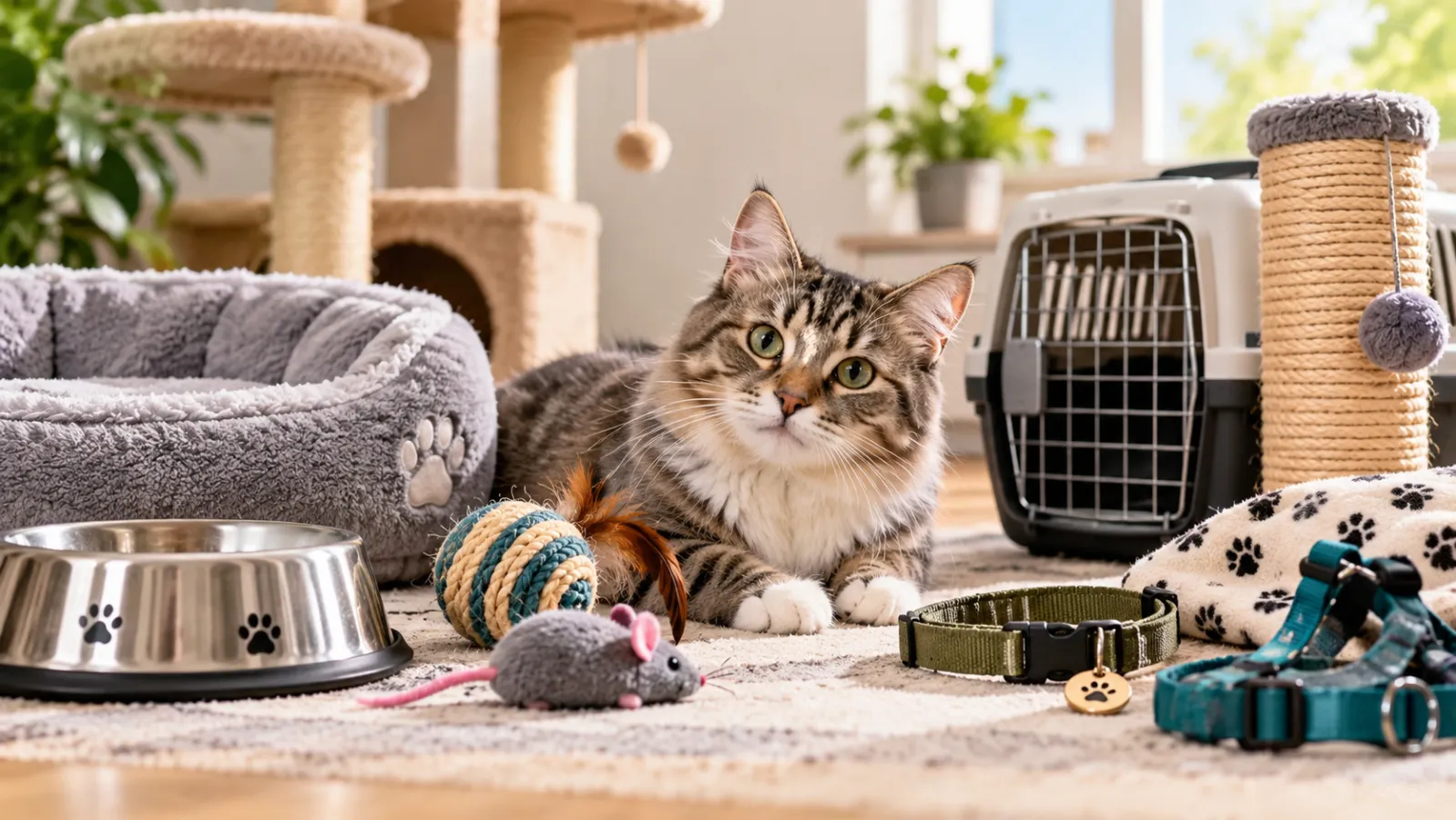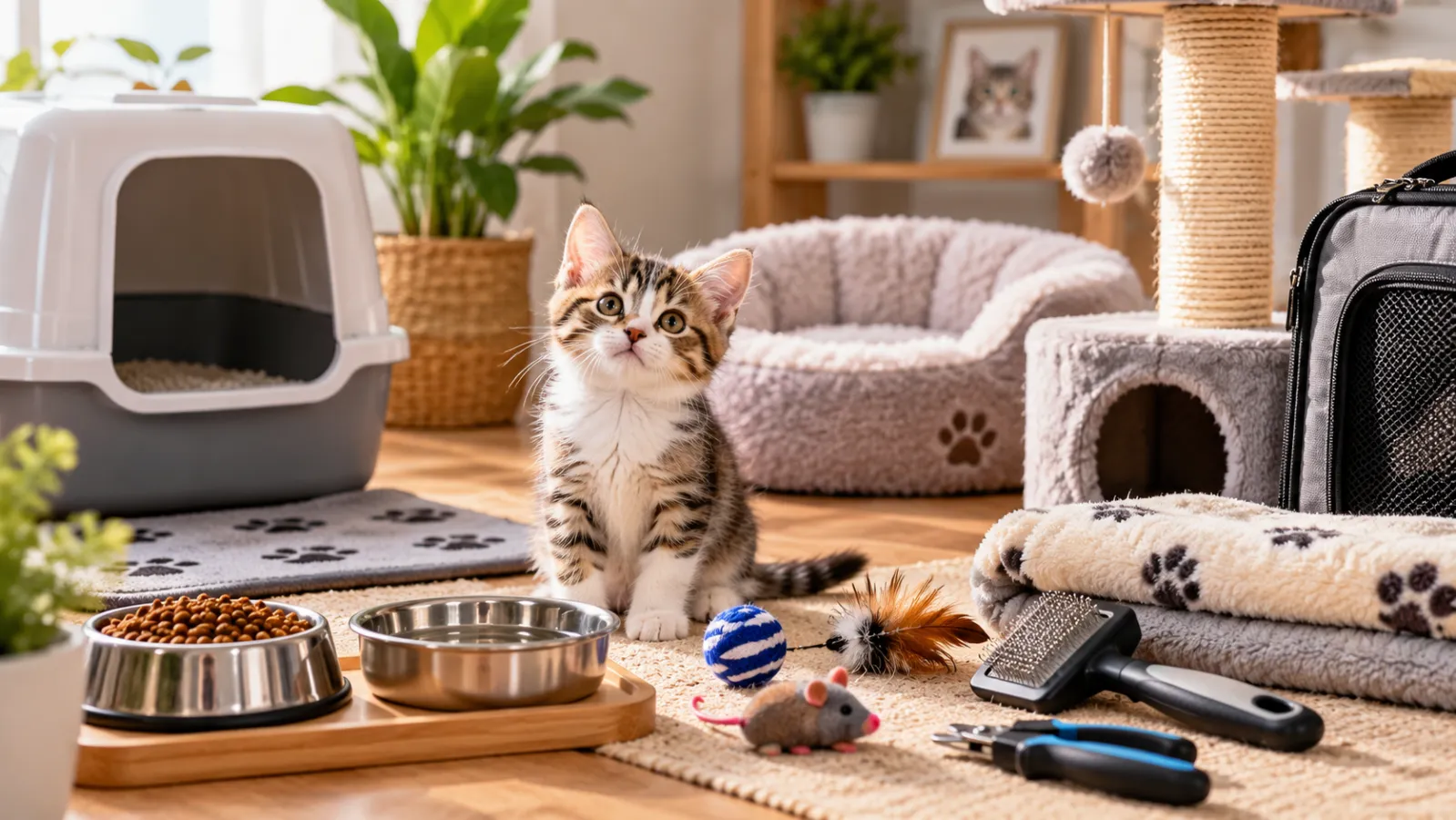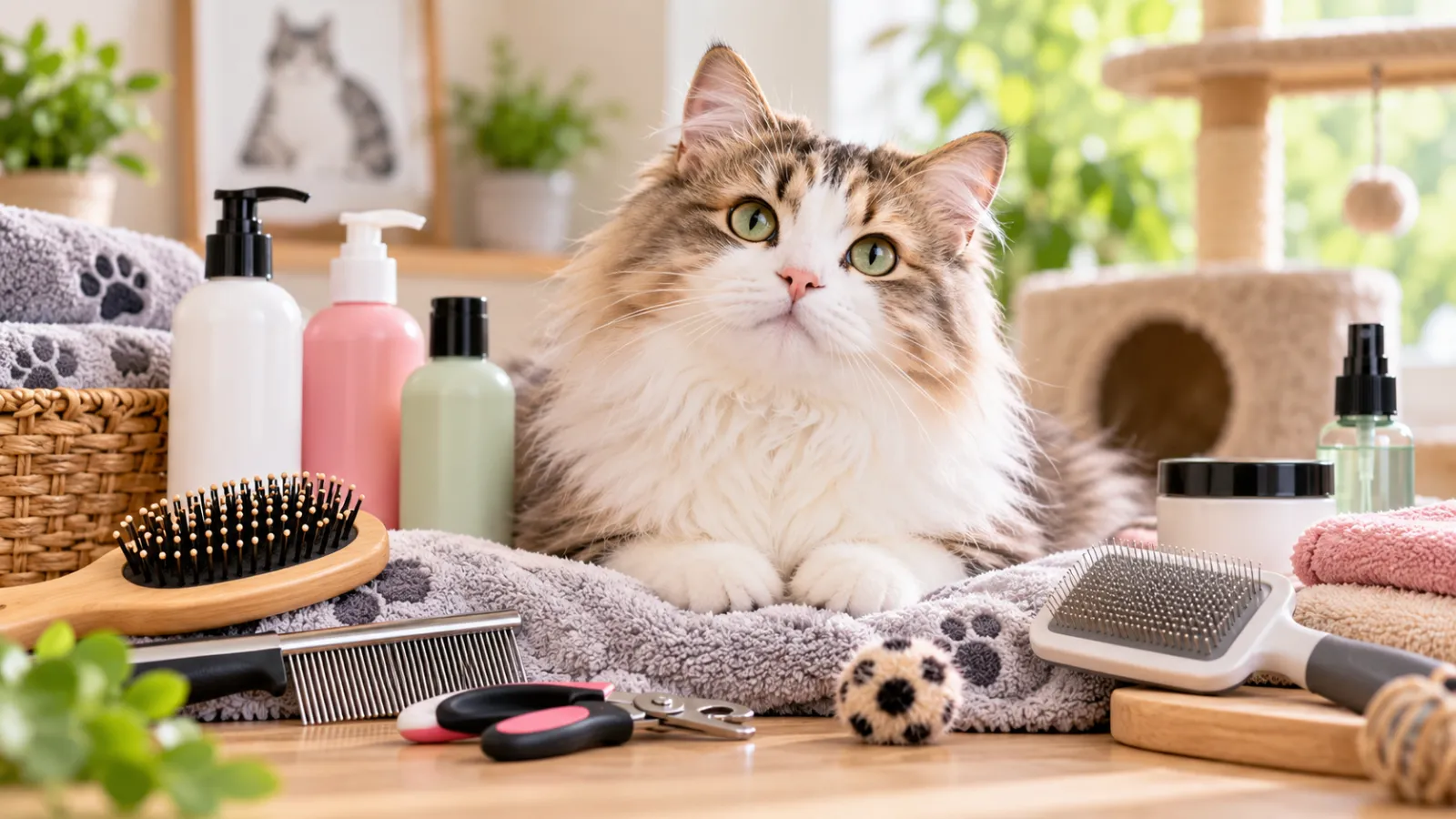
Cats may spend much of their time sleeping, but they still need opportunities to move, explore, chase, stalk, and investigate. This can be especially important for indoor cats, which may have fewer opportunities to engage in some of the activities they would naturally encounter outdoors.
Choosing the right toys can make playtime more interesting without requiring you to spend a lot of money on complicated products. The key is to understand how your individual cat likes to play and then provide safe options that encourage both physical activity and mental engagement.
Some cats love chasing a feather wand across the room. Others prefer batting a small ball, working out a food puzzle, hiding inside a tunnel, or watching a toy move from a distance. Because preferences vary so much, there is no single toy that will be perfect for every cat.
Choose Toys That Encourage Interaction
Interactive toys require your cat to participate rather than simply observe an object. They can encourage behaviors such as stalking, chasing, pouncing, swatting, and catching.
Popular options include wand toys, feather toys, moving toys, interactive balls, motorized toys, and products designed to imitate prey.
The way you use the toy matters too. Instead of waving a wand randomly, move it in a way that resembles something a cat might naturally chase. Let your cat watch, stalk, pursue, and eventually catch the toy.
Interactive play can also become a shared activity between you and your cat. Regular play gives you an opportunity to engage with your pet while observing which movements and toys hold their attention.
For cats that enjoy climbing and scratching as part of their play, How to Teach Your Cat to Use a Scratching Post provides additional ideas for encouraging appropriate scratching behavior.
Add Puzzle Toys for Mental Stimulation
Physical movement is only one part of a stimulating environment. Puzzle toys can give cats an opportunity to investigate, manipulate objects, and work for food or treats.
Depending on the design, a puzzle may require your cat to:
- Push objects
- Move compartments
- Bat at openings
- Find hidden treats
- Work out simple mechanisms
Begin with a puzzle that your cat can understand fairly easily. Once they become comfortable, you can introduce more challenging designs.
Food-based enrichment can be particularly useful for indoor cats because it gives them something to explore and work toward rather than simply receiving food from a bowl.
You can also read How to Stop Your Cat From Begging for Food for additional ideas about using feeding routines and enrichment more thoughtfully.
Try Toys That Encourage Chasing and Movement
Many cats naturally enjoy moving targets. Balls, toy mice, lightweight rolling toys, and similar products can encourage running, pouncing, batting, and changes in direction.
You can make these toys more interesting by varying where and how they move. Let a toy briefly disappear behind furniture before bringing it back into view, or move it across different parts of the room rather than repeatedly using the same path.
Cats may also become excited by short bursts of movement followed by a pause. Allowing the cat to observe before the toy moves again can make the interaction more engaging.
As with any toy, inspect it regularly and remove it if components become loose or damaged.
Put Safety Before Entertainment
A toy is only useful when it is safe to use.
Before giving your cat a new toy, check for:
- Loose strings
- Small detachable pieces
- Sharp edges
- Damaged components
- Easily swallowed parts
- Long or loose attachments
Some toys that contain string, ribbon, feathers, or small components should only be used when you are actively supervising.
Regular inspection is important because a toy that was safe when new can become hazardous after repeated chewing, scratching, or biting.
Replace damaged toys instead of trying to keep using them once parts begin to break apart.
Rotate Toys Instead of Leaving Everything Out
Cats can lose interest when exactly the same toys remain available every day.
Rather than putting every toy on the floor at once, consider keeping some stored away and bringing them back into rotation later.
For example, you might use:
Wand toys on one day.
Puzzle toys on another.
Balls and chase toys later in the week.
Rotation can create variety without requiring you to continually buy new products.
It can also help you discover your cat's preferences. You may find that one toy consistently produces much more engagement than several others.
Match the Toy to Your Cat's Play Style
Your cat's personality can tell you a great deal about which toys are likely to work.
A cat that immediately chases anything moving may enjoy wand toys or rolling balls. A cat that spends time investigating boxes and objects may respond better to puzzle toys or tunnels. A cat that enjoys stalking from a distance may prefer a toy that moves unpredictably around the room.
Watch what your cat naturally does during play.
Do they chase?
Do they hide and pounce?
Do they bat objects with their paws?
Do they enjoy searching for food?
Do they prefer climbing and exploring?
The answers can guide your choices far better than buying a toy simply because it is popular.
For more insight into feline behavior, Why Does My Cat Follow Me Everywhere? explores some of the behaviors that can help owners better understand their cats.
Make Play Part of the Daily Routine
Regular play is generally more useful than waiting for occasional long play sessions.
The amount of activity your cat wants can vary according to age, health, personality, and energy level. Kittens and highly active cats may seek frequent opportunities to play, while older cats may prefer shorter and gentler sessions.
Try incorporating play into normal parts of the day rather than treating it as a special event that happens only occasionally.
A few short sessions can be easier to maintain consistently than one exhausting session.
You can also use different toys at different times of the day to prevent play from becoming predictable.
For additional ideas about feline activity and behavior, Understanding Zoomies in Cats explains why cats may suddenly become energetic and race around the home.
Encourage Natural Hunting Behaviors
Cats retain many behaviors associated with hunting even when they live entirely indoors.
Play can provide opportunities for behaviors such as:
- Stalking
- Chasing
- Pouncing
- Swatting
- Catching
Instead of placing a toy directly in front of your cat throughout the entire session, give them opportunities to search for and pursue it.
Move the toy behind a piece of furniture, around a corner, or across a different part of the room. Allowing the toy to disappear briefly can encourage your cat to follow it.
Try to end interactive play in a satisfying way by allowing your cat to catch the toy rather than always taking it away at the end.
Explore Catnip and Other Forms of Enrichment
Catnip can be an enjoyable enrichment option for some cats, but not every cat responds to it.
Some cats become highly interested in catnip, while others show little or no reaction. Individual responses can vary, so there is no reason to force a cat to interact with a catnip toy.
You can also provide other forms of enrichment, including:
- Cat tunnels
- Scratching posts
- Climbing structures
- Window perches
- Food puzzles
- Treat-dispensing toys
A stimulating home does not depend entirely on toys. Safe opportunities to climb, scratch, observe, explore, hide, and rest all contribute to a richer environment.
Know Which Toys Require Supervision
Some toys should not be left with your cat when you are away.
Wand toys, strings, ribbons, and toys with small detachable components can create risks if they are chewed or swallowed.
Use these toys during supervised play and store them safely afterward.
A useful rule is simple: if a toy contains something your cat could easily pull off, chew apart, or swallow, do not assume it is safe to leave unattended.
Don't Underestimate Simple Toys
You do not need an expensive collection of high-tech gadgets to keep your cat interested.
Many cats enjoy simple options such as:
- Lightweight balls
- Toy mice
- Crinkle toys
- Cat tunnels
- Pet-safe paper-based toys
- Simple puzzle feeders
What matters is not how sophisticated a toy looks. What matters is whether it encourages safe physical or mental engagement.
Sometimes the simplest toy becomes the favorite.
Adapt Play for Kittens, Adults, and Senior Cats
Age can influence how your cat plays and which toys are appropriate.
Kittens
Kittens are often energetic and curious. They may enjoy chasing, pouncing, batting, and exploring.
Choose toys that are appropriately sized, lightweight, and free from small pieces that could be swallowed.
Kittens also benefit from learning how to play appropriately, so avoid encouraging them to bite or scratch human hands during games.
For additional guidance, Easy Kitten Training Tips That Actually Work offers practical advice for establishing good habits early.
Adult Cats
Adult cats can benefit from a mixture of interactive, puzzle, chase, and exploratory toys.
Rotating different styles can help maintain variety and give your cat different forms of stimulation.
Senior Cats
Older cats may continue to enjoy play even if their energy levels or mobility change.
Choose toys that encourage gentle movement without requiring repeated high jumps or difficult physical movements.
If your senior cat suddenly stops playing, becomes reluctant to move, or appears uncomfortable, speak with your veterinarian. A sudden change in activity can sometimes be associated with an underlying health problem.
A Simple Toy Guide
| Toy Type Best For Main Benefit | ||
| Wand toys | Cats that enjoy chasing | Stalking and pouncing |
| Puzzle toys | Food-motivated cats | Mental stimulation |
| Balls | Active, playful cats | Running and chasing |
| Tunnels | Curious cats | Exploring and hiding |
| Food puzzles | Indoor cats | Mental enrichment |
You do not need to buy every category. Start with one or two types that match your cat's existing interests and expand from there.
Common Cat Toy Mistakes to Avoid
Buying Toys Without Considering Your Cat
A toy that another cat loves may hold no interest for yours. Watch your cat's natural play style before making large purchases.
Leaving Unsafe Toys Unsupervised
Strings, ribbons, and toys with detachable parts should be stored safely after supervised play.
Never Rotating Toys
Keeping the same toys available all the time may reduce their novelty. Rotation can introduce variety without increasing spending.
Focusing Only on Exercise
Play is not only about running around. Puzzle toys, food enrichment, exploration, climbing, and stalking activities can provide valuable mental stimulation as well.
Forcing Play
Not every cat wants to play at every moment. If your cat walks away, loses interest, or appears uncomfortable, give them space and try again later.
Play should remain a positive experience.
A Practical Way to Build a Better Toy Collection
You do not need a huge toy box. A balanced collection could include one interactive toy, one movement-based toy, one food puzzle, and one simple solo toy.
Observe which ones your cat uses most.
If your cat repeatedly ignores a particular type of toy, there is no reason to keep buying more of the same kind. Instead, experiment with a different movement, texture, shape, or play style.
This approach can save money while creating a more personalized play routine.
Frequently Asked Questions
What are the best toys for indoor cats?
Interactive toys, puzzle toys, movement-based toys, tunnels, and food puzzles can all be useful. The best choice depends on your cat's individual interests and activity level.
How often should I play with my cat?
Regular short play sessions can be easier to maintain than occasional long sessions. The appropriate amount varies according to your cat's age, health, personality, and energy level.
Should I leave toys out for my cat all day?
Some safe toys can be left available, but toys containing strings, ribbons, or detachable components are better reserved for supervised play.
Why does my cat ignore some toys?
Cats have individual preferences. Your cat may prefer a particular movement, texture, sound, or type of play, so experiment with different options rather than assuming every cat likes the same toys.
Is catnip safe for cats?
Catnip is an optional enrichment product for cats that respond to it. Not every cat reacts to catnip, and individual responses can vary.
Are puzzle toys good for cats?
Yes. Puzzle toys can provide mental stimulation by encouraging cats to investigate, manipulate objects, and work for food or treats.
How do I know when a cat toy is unsafe?
Inspect toys regularly for loose strings, broken pieces, sharp edges, exposed components, or anything your cat could swallow. Remove damaged toys immediately.
Final Thoughts
The best cat toys are not necessarily the newest, most expensive, or most technologically advanced products. They are the toys that safely encourage your cat to move, think, explore, stalk, chase, pounce, and interact with their environment.
Start by watching how your cat naturally plays. Use that information to choose a small variety of toys rather than buying everything at once.
Interactive toys can provide shared play and movement, puzzle toys can encourage problem-solving, and simple balls or tunnels can provide plenty of entertainment. Rotating those options can keep play interesting without requiring constant new purchases.
Most importantly, make safety part of every play session. Inspect toys regularly, supervise higher-risk products, and replace anything that becomes damaged.
Every cat has a different personality. One may spend several minutes chasing a feather wand, while another may prefer a food puzzle or a simple rolling ball. Give your cat opportunities to choose, experiment with different styles, and let their behavior guide your decisions.
A thoughtful selection of safe toys, combined with regular play and a stimulating home environment, can make indoor life more engaging while supporting your cat's physical activity and mental well-being.
Created with AI • Independently Verified
This article was created with the assistance of artificial intelligence and cross-checked using multiple AI systems to help identify errors, inconsistencies, and missing information.
Important factual claims are additionally checked against reputable veterinary, scientific, animal-welfare, and other authoritative sources before publication.
Our standard: AI helps us research and explain. Reliable evidence determines what we publish.
Last reviewed: September 2026